

Not every cockroach is a pest. The Madagascar hissing cockroach is a large, slow-moving insect that many families, schools and bug lovers keep as a pet. It is wingless, rarely bites and makes a surprising hissing sound.
Madagascar Hissing Cockroach Facts
| Fact | Details |
|---|---|
| Scientific name | Gromphadorhina portentosa |
| Native home | The forest floor of Madagascar |
| Adult size | About 5 to 7.5 cm (2 to 3 inches) |
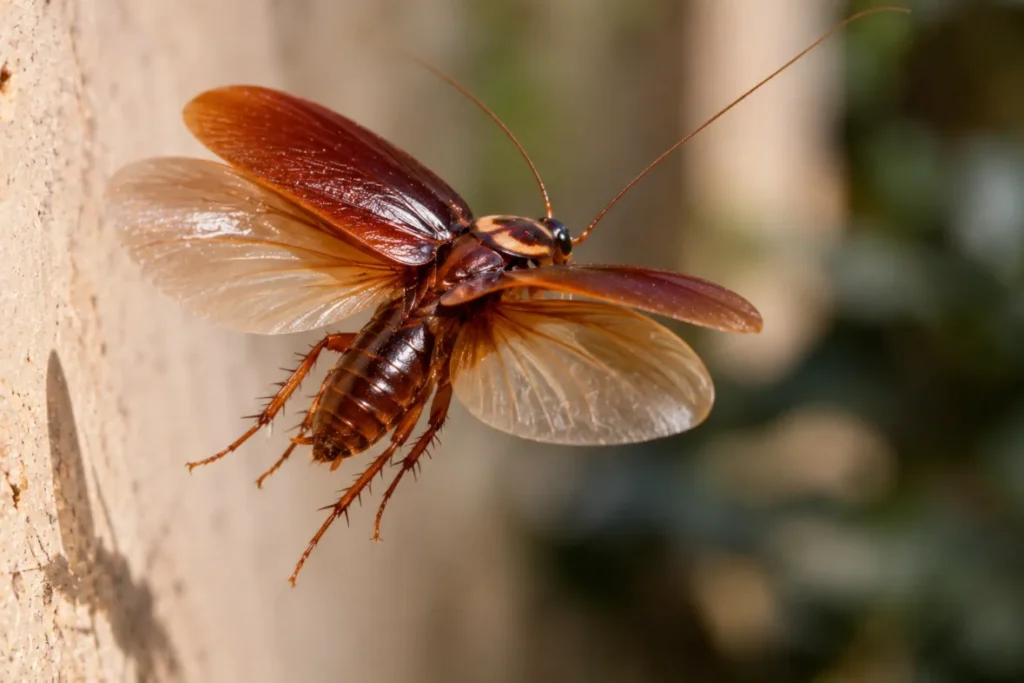
| Wings | None |
| Lifespan | About 2 to 5 years in captivity |
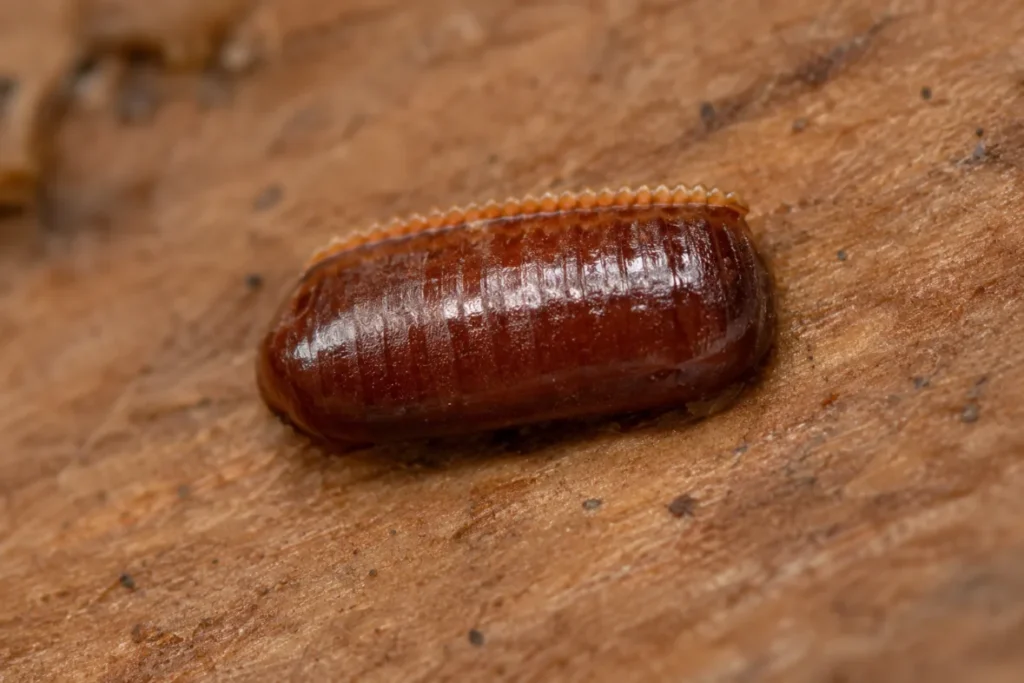
| Babies | Live birth; females carry the egg case inside |
Why Do Hissing Cockroaches Hiss?
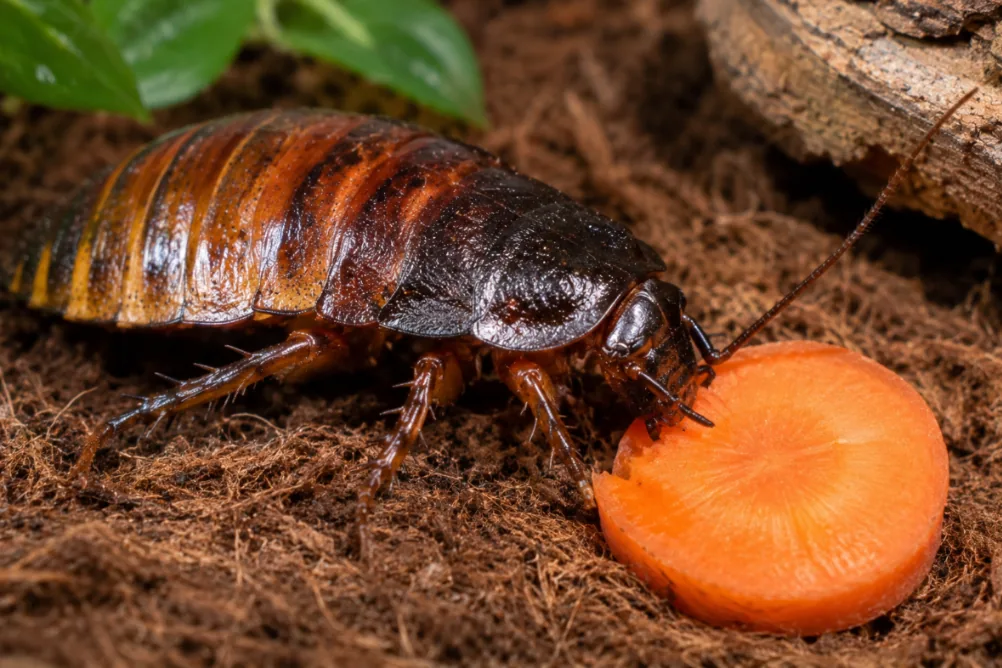
They push air out through breathing holes called spiracles, which creates a loud hiss. They hiss when disturbed, during courtship and when males compete. Males have larger bumps, or “horns,” on the front of the body and often hiss more.
Madagascar Hissing Cockroach Care
Enclosure
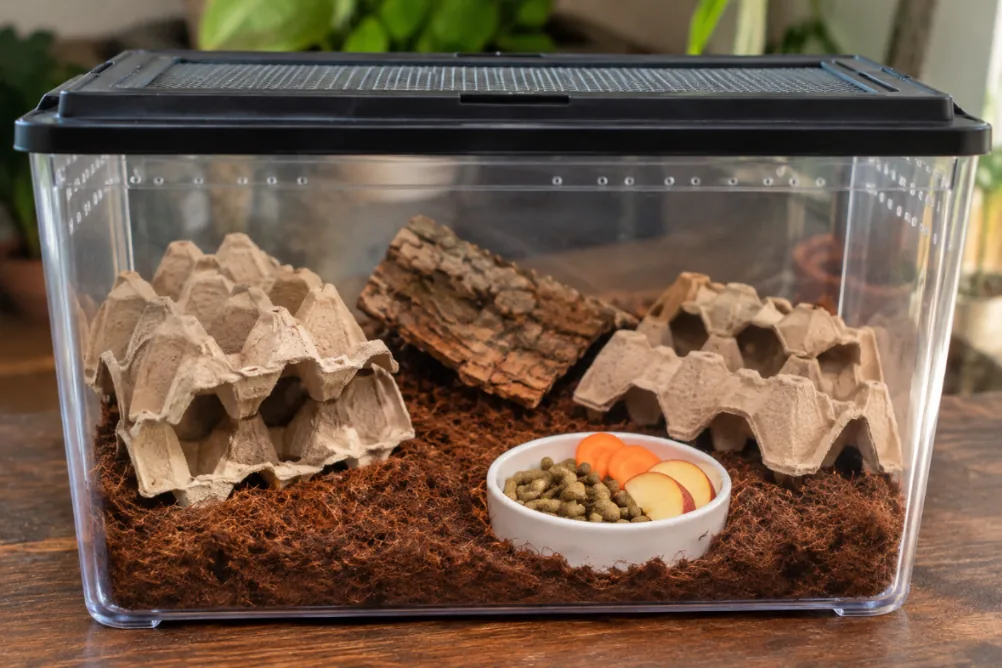
- A plastic or glass tank with a secure, ventilated lid; they are excellent climbers.
- A strip of petroleum jelly around the top inside edge helps stop escapes.
- Substrate such as coconut fiber, aspen or paper bedding.
- Hides like cork bark, egg cartons or wood pieces.
Temperature and humidity
Hissers do best at warm room temperatures, roughly 24 to 32°C (75 to 90°F), with moderate humidity. A light misting and a shallow water source help. Avoid soaking the enclosure, as too much moisture causes mold.
Food and water
- Fresh vegetables such as carrots, squash and leafy greens
- Fruit like apple and banana in small amounts
- A protein source such as a little dry dog food or insect chow
- Water gel crystals or a wet sponge in a shallow dish to prevent drowning
Remove leftover fresh food every day or two to prevent mold and mites.
Handling Hissing Cockroaches
Hissers are generally calm. Let them walk onto your hand rather than grabbing them, and support their body. Their feet have small hooks, so they may grip lightly. Wash your hands after handling.
Are They Legal to Keep?
In many places they are easy to keep, but some states or countries have rules on non-native insects. Check local regulations, buy from a reputable breeder and never release them outdoors.
Are Hissing Cockroaches Good Pets for Kids?
They can be a great introduction to insect care, with adult supervision. They are quiet apart from hissing, need little space and are cheap to keep. Some people are allergic to insects, so watch for itchy skin or sneezing.
Breeding Hissing Cockroaches
Hissing cockroaches breed readily in warm conditions. Females carry the egg case inside their body and give birth to live nymphs, often 20 or more at a time. Nymphs molt several times over a few months before reaching adult size. If you do not want a large colony, keep males and females in separate tanks.
Common Problems and How to Avoid Them
- Mold: caused by too much moisture or old food; remove leftovers and improve ventilation.
- Escapes: they climb glass easily, so use a tight lid and a barrier strip.
- Mites: some colonies carry harmless cleaner mites, but large numbers can mean the tank is too dirty or wet.
- Cold: low temperatures make them sluggish and slow breeding.

Hissing Cockroaches vs Dubia Roaches
Both species are calm and easy to keep, but they suit different purposes. Hissers are larger and are mainly kept as display pets or for education. Dubia roaches are smaller, breed quickly and are mainly raised as feeder insects for reptiles and amphibians.
Note: Rules on keeping non-native insects vary by location. Check local regulations before buying.
Helpful Resources
More guides from Pet Guide Nest:
Trusted outside sources:
Frequently Asked Questions
Do Madagascar hissing cockroaches bite?
They rarely bite and are generally gentle, though their feet may grip your skin lightly.
Can Madagascar hissing cockroaches fly?
No. They are wingless.
How long do hissing cockroaches live?
Usually about 2 to 5 years in captivity with good care.
Do hissing cockroaches smell?
A clean enclosure has very little odor. Remove old food often and change the bedding regularly.
Final Thoughts
The Madagascar hissing cockroach is a fascinating, low-maintenance pet that changes how people think about bugs. With a secure tank, warmth, fresh food and gentle handling, it can thrive for years.

Maren Ashcroft
Maren Ashcroft writes the care guides at Pet Guide Nest. She has grown up around dogs, cats, and rabbits and loves learning about the more unusual pets too. She turns vet and animal welfare research into simple, practical advice for everyday pet owners.