

Some cats cost little or nothing to adopt, while others from specialist breeders come with a very high price tag. If you are curious about the most expensive cat breeds, or thinking of buying one, it helps to understand why prices vary so much.
This guide looks at breeds often listed among the most expensive cats, the factors that push prices up and the costs that continue long after you bring a kitten home.
Why Some Cat Breeds Are So Expensive
Several factors drive the price of a pedigree kitten:
- Rarity: Fewer breeders and small numbers of cats mean higher prices.
- Health testing: Responsible breeders screen parents for inherited conditions, which costs money.
- Pedigree and show lines: Kittens from champion bloodlines often cost more.
- Coat color and pattern: Rare colors are frequently priced higher.
- Hybrid generation: For hybrid breeds such as the Savannah, early generations closest to the wild ancestor usually cost far more.
- Location and demand: Prices vary by country, region and current popularity.
Because prices change often and differ by breeder, this list focuses on breeds that are consistently described as expensive rather than exact figures.
Most Expensive Cat Breeds in 2026
1. Savannah
The Savannah is a hybrid between a domestic cat and the serval, a wild African cat. Early generations (often labeled F1 or F2) are typically the most expensive cats you can buy. They are large, athletic and very active.
Important: Some states and cities restrict or ban early-generation hybrid cats. Always check local laws before buying.
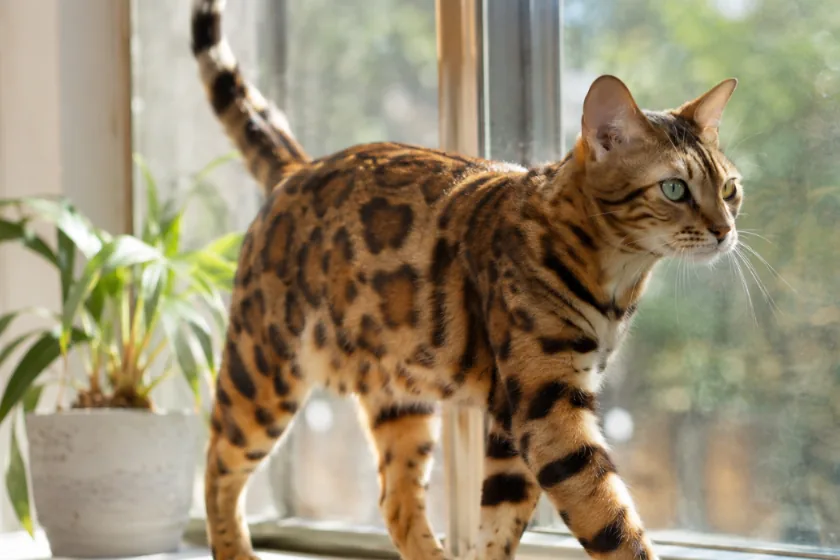
2. Bengal
Bengals have a leopard-like spotted or marbled coat and lots of energy. Kittens with show-quality markings or rare colors can be expensive. They need plenty of play and climbing space.
3. Sphynx
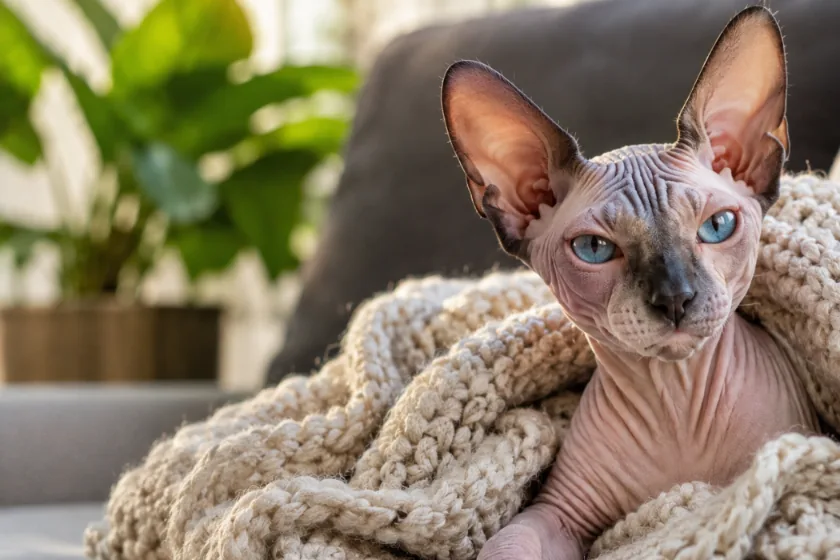
The hairless Sphynx is affectionate and people-focused. It needs regular bathing because skin oils build up without fur. Responsible breeders screen for heart disease.
4. Persian
Persians are calm, sweet and known for their long coats and flat faces. Show-quality kittens can be costly. They need daily grooming, and their flat faces can cause breathing and eye problems.
5. Maine Coon
Maine Coons are among the largest domestic breeds, with a gentle, sociable nature. Kittens from well-known lines with health testing often carry higher prices.
6. British Shorthair
The British Shorthair is calm, sturdy and famous for its plush blue-gray coat, though many colors exist. Rare colors often cost more.
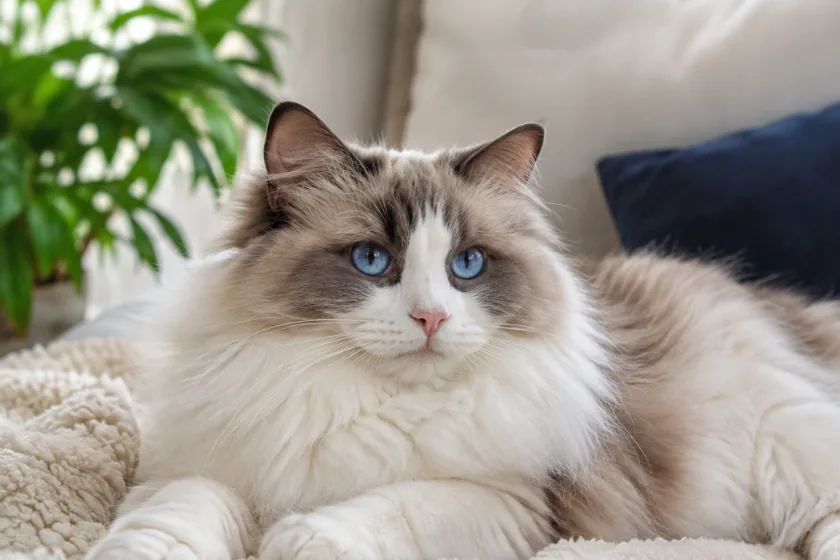
7. Ragdoll
Ragdolls are large, relaxed cats with blue eyes and semi-long coats. Their popularity keeps prices for well-bred kittens high.
8. Peterbald
The Peterbald, from Russia, can be hairless or have a fine coat. It is less common outside its home region, which affects price and availability.
Expensive Cat Breeds Compared
| Breed | Personality | Grooming | Health points to ask about |
|---|---|---|---|
| Savannah | Very active, curious | Low | Local hybrid laws, diet |
| Bengal | Energetic, playful | Low | Heart and eye screening |
| Sphynx | Affectionate, social | Weekly baths | Heart screening |
| Persian | Calm, gentle | Daily | Breathing, eyes, kidneys |
| Maine Coon | Friendly, laid-back | Several times a week | Heart and hip screening |
| British Shorthair | Calm, independent | Weekly | Heart screening |
| Ragdoll | Relaxed, affectionate | Weekly | Heart screening |
| Peterbald | Social, vocal | Skin care | Skin and temperature care |
The Hidden Costs After Purchase
The purchase price is only the start. With the most expensive cats, ongoing costs can be significant too:
- High-quality food and litter
- Vaccinations, parasite control and annual checkups
- Spaying or neutering if not already done
- Pet insurance, which may cost more for breeds with known health risks
- Grooming tools or professional grooming
- Sunscreen and warm clothing for hairless breeds
- Sturdy cat trees and enrichment for active breeds
For a full breakdown, read our guide to pet ownership cost.
Are the Most Expensive Cat Breeds Worth It?
That depends on what you want from a cat. A higher price can reflect careful breeding and health testing, but it does not guarantee a better companion. Many of the most expensive cat breeds have specific needs, such as daily grooming, lots of play or special skin care. Think about whether those needs fit your daily life. If you mainly want a loving, healthy cat, a rescue cat may suit you just as well. If you love a particular breed’s look and personality, budget carefully and choose a responsible breeder.
How to Avoid Scams and Poor Breeders
High prices attract scammers. Protect yourself by:
- Visiting the cattery in person or by live video
- Asking to see the mother cat
- Requesting written health testing results and registration papers
- Never sending money for a kitten you have not seen
- Being wary of prices that seem too good to be true
Consider adoption, too. Purebred cats sometimes come into breed-specific rescues.
Helpful Resources
More guides from Pet Guide Nest:
Trusted outside sources:
Frequently Asked Questions
What is the most expensive cat breed?
Early-generation Savannah cats are usually listed as the most expensive cat breed, because of their hybrid background and limited availability.
Why are Bengal cats so expensive?
Their striking coat, high demand and the cost of responsible breeding and health testing all keep prices high.
Are expensive cat breeds healthier?
Not necessarily. Some expensive cat breeds have known inherited health risks. Health testing by the breeder matters more than price.
Is it legal to own a Savannah cat?
It depends on where you live. Some areas restrict early-generation hybrid cats, so check state and local laws first.
Final Thoughts
The most expensive cat breeds, from Savannahs and Bengals to Persians and Maine Coons, cost more because of rarity, demand and careful breeding. Before buying, research health risks, check local laws and budget for lifetime costs. A responsible breeder or a breed rescue is always the safest route.

Maren Ashcroft
Maren Ashcroft writes the care guides at Pet Guide Nest. She has grown up around dogs, cats, and rabbits and loves learning about the more unusual pets too. She turns vet and animal welfare research into simple, practical advice for everyday pet owners.