

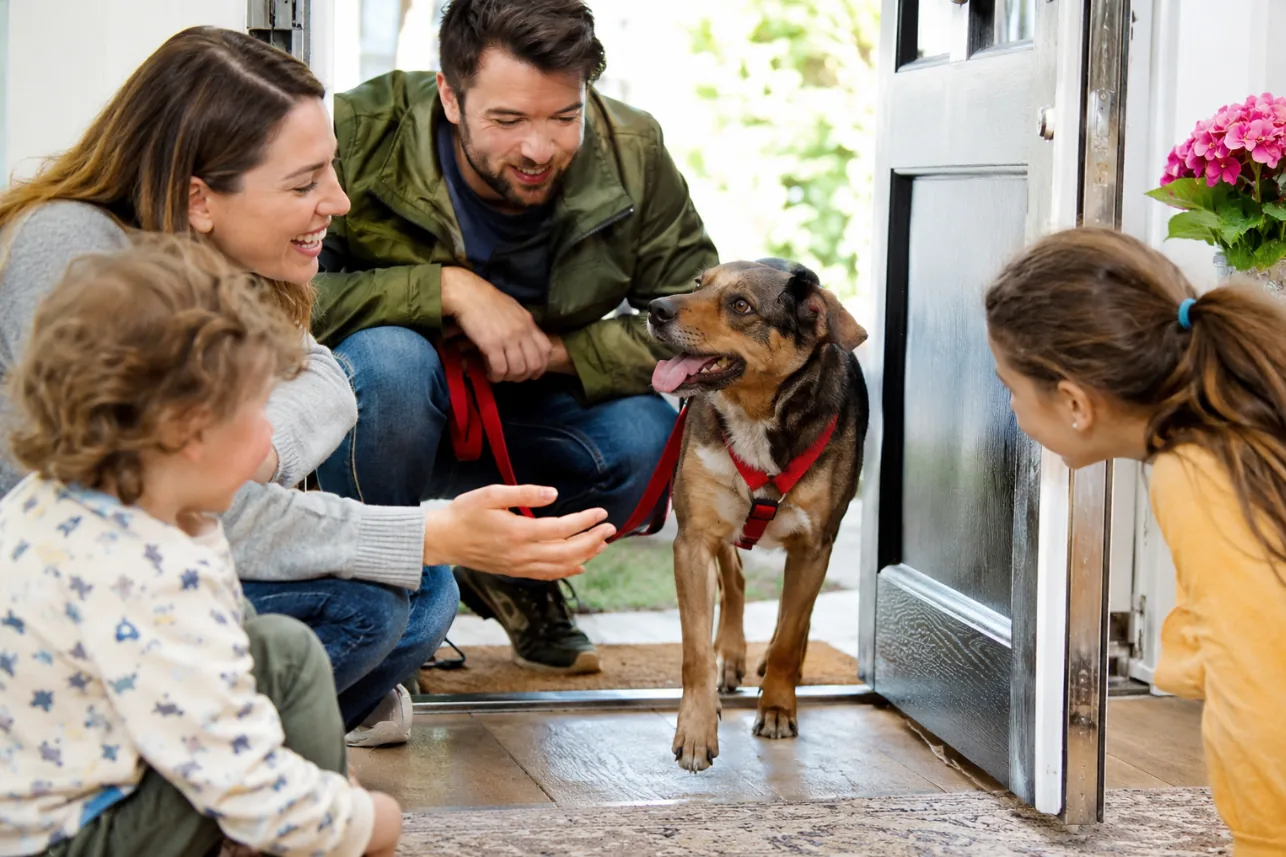
Bringing a new dog home is exciting for you, but it can be overwhelming for your dog. New smells, new people and new rules all arrive at once. A calm, planned approach to introducing a new dog to your home helps your dog settle faster and builds trust from the very first day.
This guide walks you through preparation, the first day, the first week and the first 30 days.
Before Your New Dog Arrives
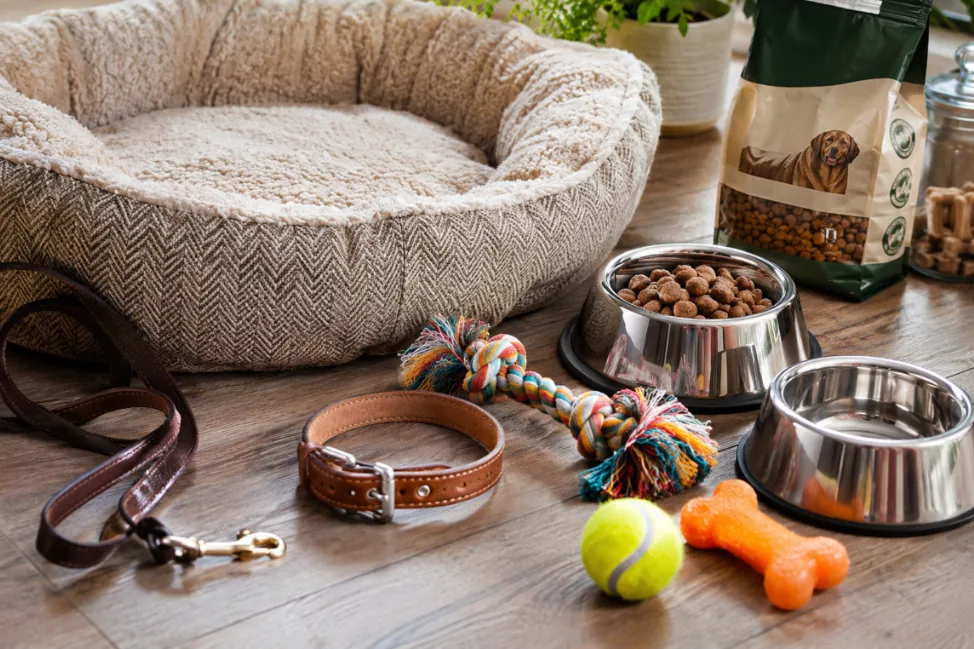
Prepare a Supply Checklist
- Collar or harness with an ID tag
- A sturdy leash
- Food (ideally the same food the shelter or breeder used)
- Food and water bowls
- A comfortable bed
- A crate or a safe confined area, if you plan to use one
- Chew toys and puzzle feeders
- Poop bags and enzyme cleaner for accidents
- Baby gates for restricting areas
Dog-Proof Your Home
- Move shoes, cables, medicines and cleaning products out of reach.
- Secure trash cans.
- Check fences and gates for gaps.
- Remove toxic plants from reach.
Agree on House Rules
Decide as a household whether the dog can go on the sofa, where it will sleep and who walks it. Consistent rules make learning easier.
Introducing a New Dog to Your Home: The First Day
Keep the Arrival Calm
Bring your dog home when you have a quiet day or weekend. Avoid inviting friends over to meet the dog right away.
Start With a Potty Break
Before going inside, walk your dog to the spot you want it to use as a toilet. Reward it calmly when it goes.
Let Your Dog Explore on Leash
Walk through the house slowly on a leash. Show your dog its bed, water and the potty door. Then let it settle in a small, safe area.
Give Space
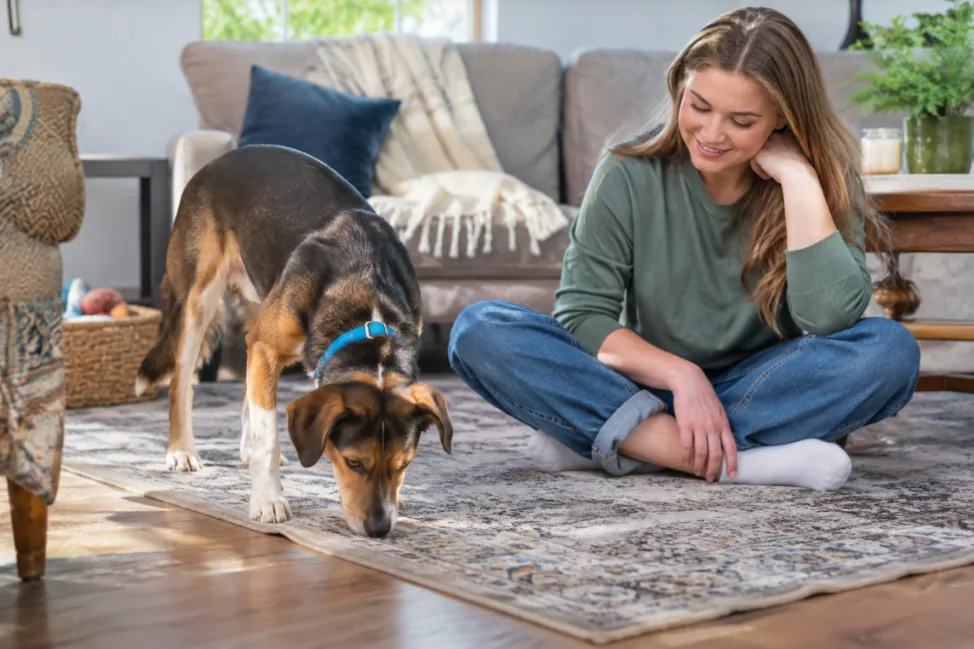
Many dogs want to hide or sleep at first. Let your new dog come to you. Speak softly and avoid crowding or hugging.
The 3-3-3 Rule for New Dogs
Many shelters use the “3-3-3 rule” as a rough guide to how dogs adjust:
| Time frame | What many dogs experience |
|---|---|
| First 3 days | Feeling overwhelmed, nervous or shut down; may not eat much |
| First 3 weeks | Starting to settle, learning routines, personality begins to show |
| First 3 months | Feeling at home, building trust and a strong bond |
Every dog is different, so do not worry if yours is faster or slower.
Bringing a New Dog Home: The First Week
Build a Routine
Feed, walk and offer potty breaks at the same times each day. Routine helps dogs feel safe.
Start House Training Right Away
Even adult dogs may have accidents in a new place. Take your dog out often, especially after meals, naps and play. Reward success. Clean accidents with an enzyme cleaner; our guide on how to get rid of dog pee smell explains how.
Keep Walks Short and Calm
Short, quiet walks help your dog learn the neighborhood without being overwhelmed.
Schedule a Vet Visit
Book a checkup in the first week or two. Bring any records from the shelter or breeder.
Integrating a New Dog Into Your Home: Weeks 2 to 4
Start Gentle Training
Use rewards to teach basics such as name recognition, sit, down and coming when called. Keep sessions to a few minutes.
Introduce New Experiences Slowly
Gradually introduce car rides, visitors and new places. Watch your dog’s body language and give breaks when needed.
Practice Alone Time
Leave your dog alone for short periods and slowly build up. Give a long-lasting chew or puzzle toy when you leave.
Introducing a New Dog to Your Home With Children
Children are often the most excited family members. Before the dog arrives, explain the rules: no hugging, no chasing and no disturbing the dog while it eats or sleeps. Let children offer treats calmly while sitting on the floor. Always supervise. Introducing a new dog to your home goes more smoothly when every family member follows the same rules and gives the dog space to choose when to say hello.
Introducing Your New Dog to Other Pets
If you already have a dog, plan the first meeting on neutral ground and keep early interactions short. Our step-by-step guide on how to introduce a new dog to your dog covers this in detail.
For cats, keep the dog on a leash and let the cat choose whether to approach. Make sure the cat always has an escape route and high places to retreat.

Signs Your Dog Is Settling In
- Eating regularly
- Sleeping soundly
- Relaxed body and soft eyes
- Seeking your company
- Starting to play
If your dog seems very fearful, aggressive or does not eat for more than a day or two, contact your vet or a qualified behavior professional.
Helpful Resources
More guides from Pet Guide Nest:
- Aggression in Dogs
- Best Puppy Training Treats
- How to Choose a Dog Training Center
- Nikki’s Gift: A Dog Adoption Story
Trusted outside sources:
Frequently Asked Questions
How long does it take a new dog to settle in?
Many dogs feel more comfortable within a few weeks, but it can take around three months or longer to feel fully at home.
Should a new dog sleep in my bedroom?
It can help some dogs feel secure. Decide what you want long term and be consistent from the start.
What should I do on the first night with a new dog?
Give a final potty break, keep the house quiet and let your dog sleep in a comfortable, safe space. Expect some restlessness.
When should I start training my new dog?
Start gentle, reward-based training in the first week, keeping sessions short and positive.
Final Thoughts
Introducing a new dog to your home goes best when you prepare ahead, keep the first days calm and build a steady routine. Give your dog space, patience and plenty of rewards. Within weeks, you will start to see your new companion’s true personality, and the bond that comes with it.

Maren Ashcroft
Maren Ashcroft writes the care guides at Pet Guide Nest. She has grown up around dogs, cats, and rabbits and loves learning about the more unusual pets too. She turns vet and animal welfare research into simple, practical advice for everyday pet owners.