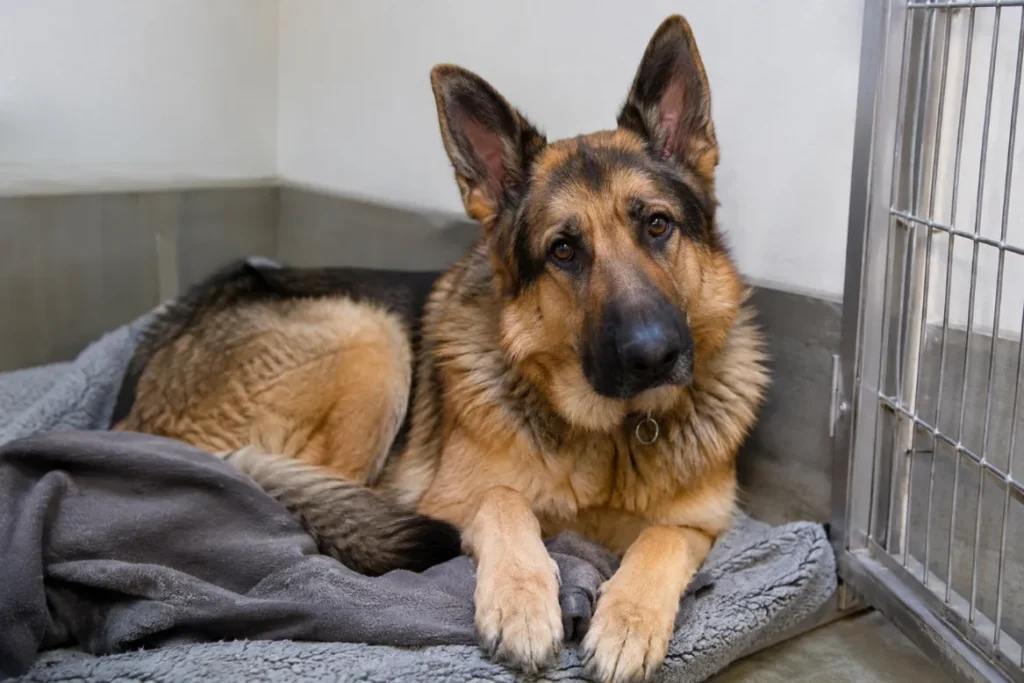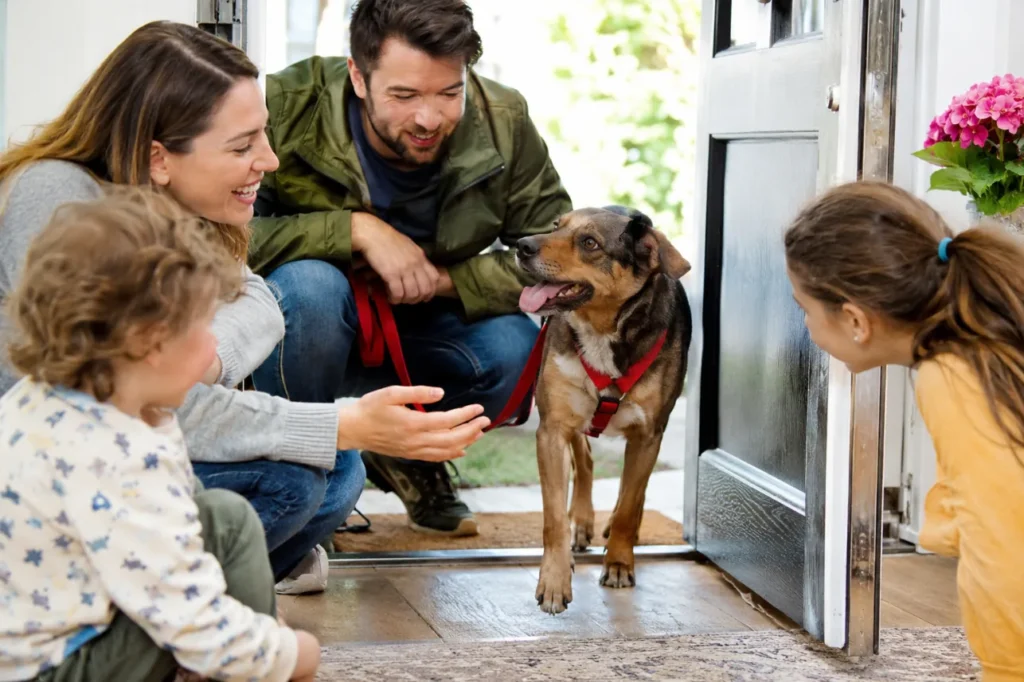


Good training makes life easier and happier for you and your dog. But dog training is not regulated in many places, so anyone can call themselves a trainer. When you search for a dog training center near me, it is worth taking time to find a qualified, kind professional.
This guide covers types of training, certifications to look for, questions to ask and red flags to avoid in 2026.
Types of Dog Training Services
| Service | Best for |
|---|---|
| Puppy classes | Socialization and basic manners for young puppies |
| Group obedience classes | Basic cues and manners around distractions |
| Private lessons | Specific problems or dogs who struggle in groups |
| Board-and-train | Intensive training while the dog stays with the trainer (choose very carefully) |
| Behavior consultations | Fear, anxiety, reactivity or aggression |
| Dog sports classes | Agility, scent work, rally and more |

How to Choose a Dog Training Center: Step by Step
1. Define Your Goals
Do you want puppy socialization, basic manners, help with leash pulling or support with a serious behavior problem? Your goal decides the kind of trainer you need.
2. Look for Reward-Based Methods
Veterinary behavior organizations recommend reward-based training. It uses food, toys and praise to teach dogs, and avoids pain, fear and intimidation.
3. Check Certifications
Look for trainers with recognized credentials from independent organizations, such as:
- CCPDT (Certification Council for Professional Dog Trainers), for example CPDT-KA
- IAABC (International Association of Animal Behavior Consultants)
- Karen Pryor Academy (KPA-CTP)
For serious behavior problems, consider a veterinary behaviorist or a certified applied animal behaviorist.
4. Watch a Class
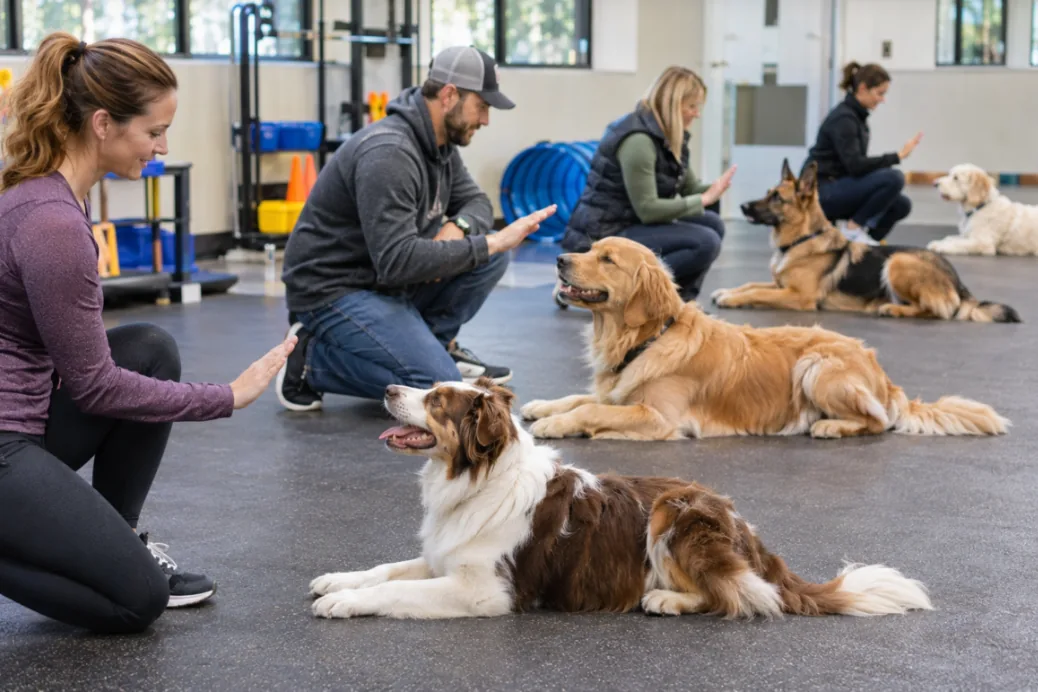
A good dog training center will let you observe. Look for:
- Calm, happy dogs and relaxed owners
- Clear instructions and plenty of rewards
- Small class sizes with enough space between dogs
- Trainers who adapt to each dog
5. Ask Questions
- What training methods and equipment do you use?
- What qualifications and continuing education do you have?
- What happens when a dog gets something wrong?
- How large are your classes?
- What vaccines do you require?
- Do you offer support between sessions?
Red Flags When Choosing a Dog Training Center
- Promises of guaranteed results or “fixing” a dog in days
- Use of shock, prong or choke collars, or physical corrections
- Talk of “dominance” or being the “alpha”
- Refusing to let you watch a session
- Dogs that look scared, shut down or stressed
- No clear answer about methods or qualifications
Best Dog Training Center Near Me: What to Expect in 2026
Many training centers now offer:
- Online video lessons alongside in-person classes
- Small-group or “reactive dog” classes
- Puppy socialization sessions starting soon after the first vaccines (ask your vet)
- Enrichment and life-skills classes, not just obedience
Prices vary widely by location and format, so compare a few options.
Getting the Most From Training
- Practice at home: A few minutes every day matters more than one long session a week.
- Bring high-value rewards: See our guide to puppy training treats.
- Stay consistent: Everyone in the family should use the same cues.
- Be patient: Every dog learns at its own pace.
When You Need More Than a Trainer
If your dog shows aggression, extreme fear or sudden behavior changes, start with a vet check to rule out pain or illness. Then work with a qualified behavior professional. Our guide to aggression in dogs explains the warning signs.

Dog Training Center Near Me: Online vs In-Person Classes
In-Person Classes
In-person classes give your dog practice around distractions and let trainers adjust your technique in real time.
Online Training
Online lessons can be convenient, especially for puppies not yet fully vaccinated, busy owners or dogs who find classes stressful. Many trainers offer live video sessions.
Combining Both
Many owners use online lessons for theory and home practice, then join in-person classes for real-world skills.
Choosing a Dog Training Center for Reactive Dogs
If your dog barks or lunges at other dogs or people, look for classes specifically designed for reactive dogs, with small groups, visual barriers and experienced trainers.
Helpful Resources
More guides from Pet Guide Nest:
- Introducing a New Dog to Your Home
- How to Introduce a New Dog to Your Dog
- How to Choose the Best Pet Boarding
Trusted outside sources:
Frequently Asked Questions
How do I find a good dog training center near me?
Ask your vet for recommendations, check trainer certifications, watch a class and make sure the center uses reward-based methods.
What certifications should a dog trainer have?
Look for independent credentials such as CCPDT, IAABC or Karen Pryor Academy. For serious behavior issues, consider a veterinary behaviorist.
Are board-and-train programs a good idea?
They can work if the trainer uses kind, reward-based methods and teaches you afterwards. Research carefully and ask exactly how your dog will be trained.
When should I start training my puppy?
Training can start as soon as your puppy comes home. Ask your vet when your puppy can safely join classes.
Final Thoughts
When you search for a dog training center near me, focus on qualified, reward-based trainers who welcome questions and let you watch. Avoid harsh methods and big promises. With the right trainer and regular practice at home, your dog will learn skills that make life better for both of you. For more guides like this, explore our Pet News and Training articles.

Maren Ashcroft
Maren Ashcroft writes the care guides at Pet Guide Nest. She has grown up around dogs, cats, and rabbits and loves learning about the more unusual pets too. She turns vet and animal welfare research into simple, practical advice for everyday pet owners.