
Purple is one of the rarest colors in nature, which makes purple birds especially exciting to spot. From backyard visitors to tropical jewels, these birds show off violet, lilac and amethyst feathers in amazing ways.
Here are 8 stunning purple birds you should know about, where they live and what makes each one special.
Why Are Purple Birds So Rare?
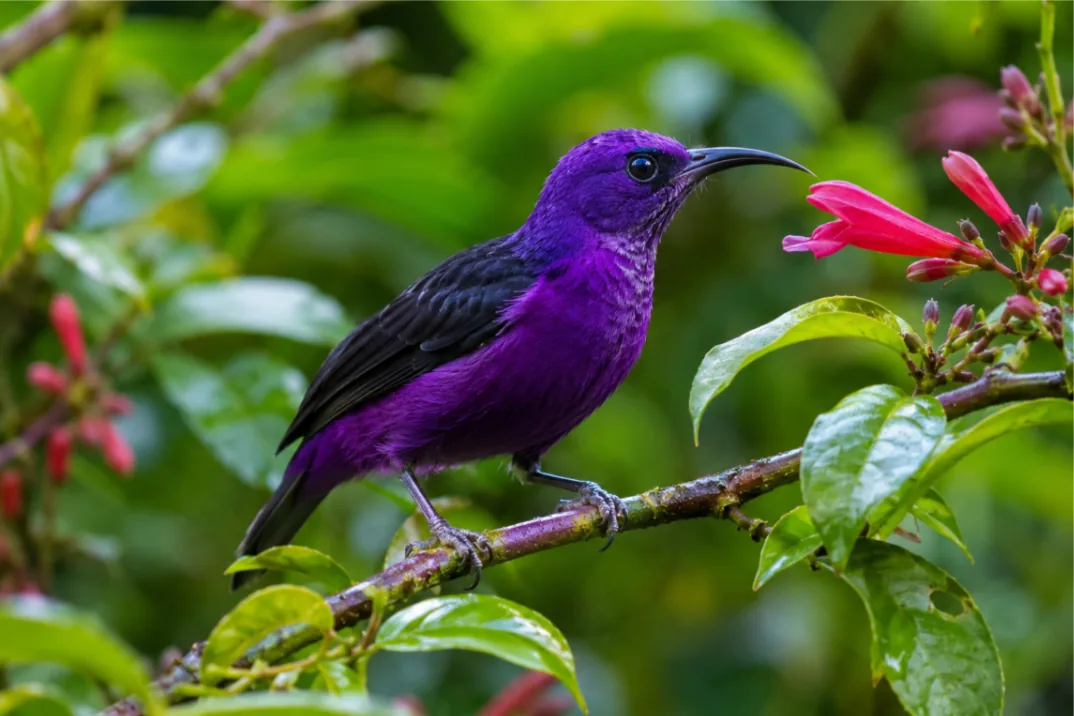
Most bird colors come from pigments such as melanin (blacks and browns) and carotenoids (reds, oranges and yellows). Purple and blue are usually created differently, through structural color. Tiny structures in the feathers scatter light to produce shimmering blues and purples. That is why many purple birds look different depending on the angle of the light.
8 Stunning Purple Birds
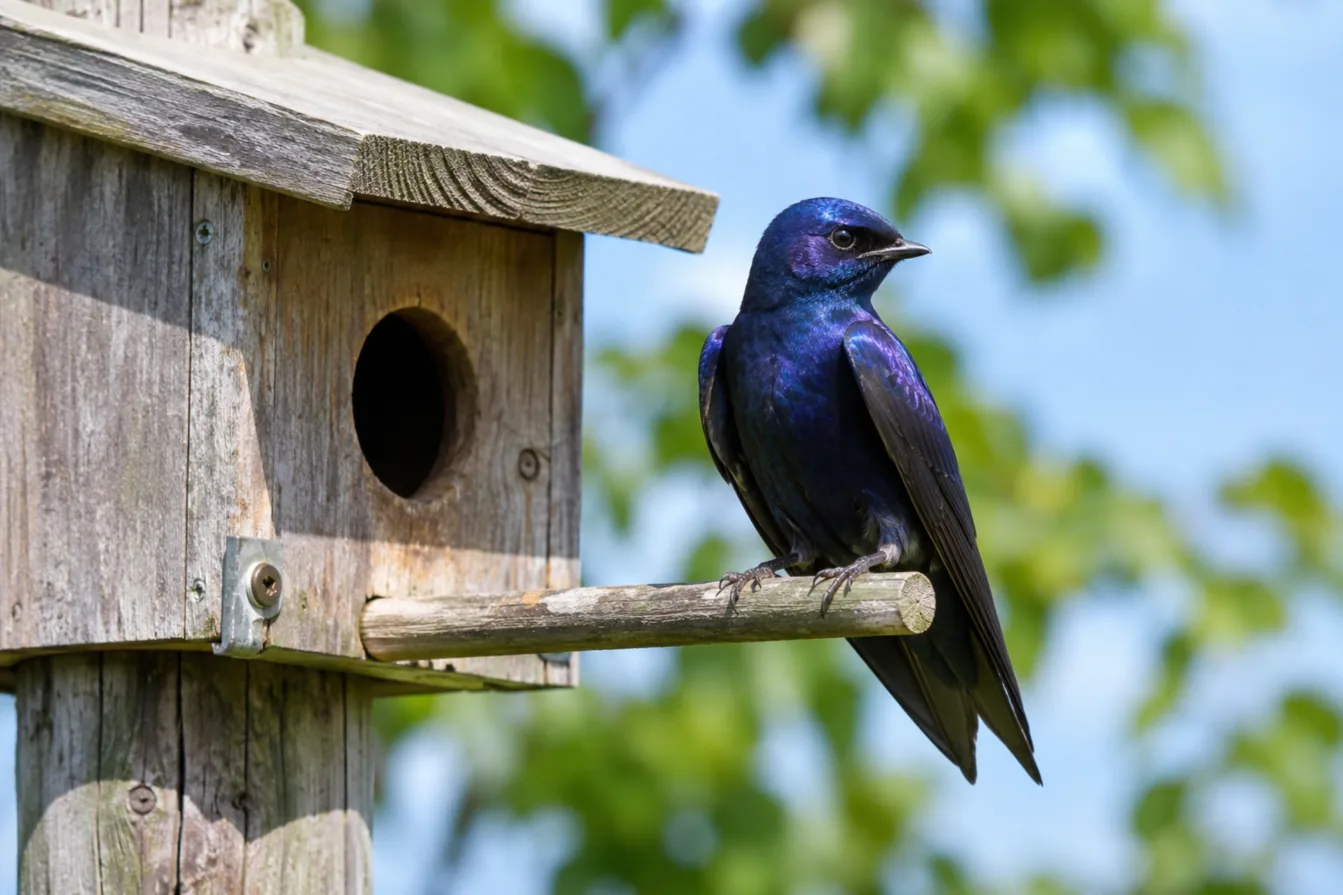
1. Purple Martin
The purple martin is North America’s largest swallow. Adult males have glossy, dark purple-blue feathers that shine in the sun. Purple martins are famous for nesting in human-provided birdhouses and gourds, especially in the eastern United States.
- Where: North America in summer; South America in winter
- Fun fact: Many purple martin colonies in the east depend almost entirely on nest boxes put up by people.
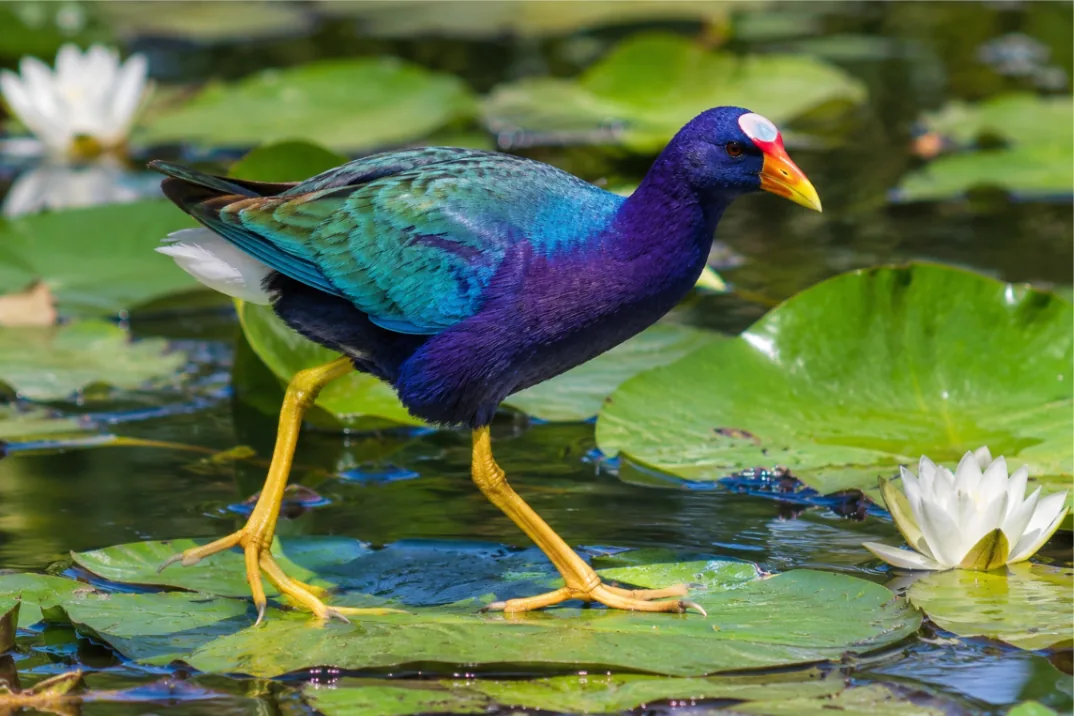
2. Purple Gallinule
This colorful wetland bird has a violet-blue body, a bright red-and-yellow bill and long yellow legs. It walks on floating plants using its long toes.
- Where: Wetlands in the southeastern US, Central and South America
- Fun fact: It can climb reeds and walk across lily pads.
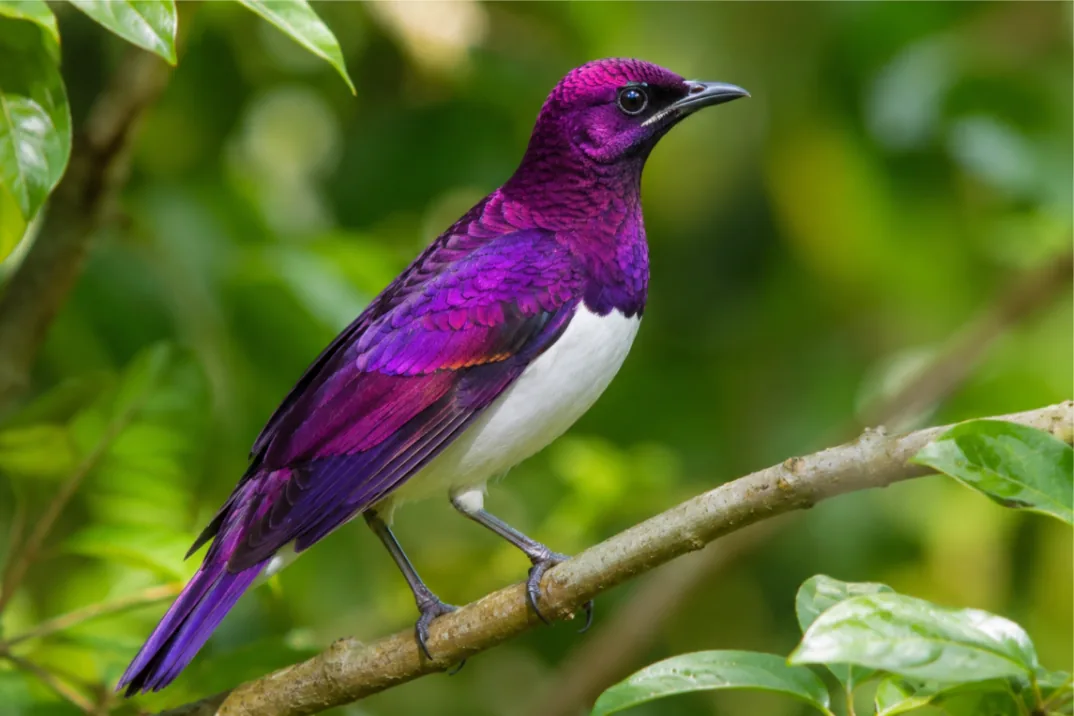
3. Violet-Backed Starling
Also called the amethyst starling, males have a brilliant violet back and head with a white belly.
- Where: Sub-Saharan Africa
- Fun fact: The violet sheen comes from structural color in the feathers.
4. Lilac-Breasted Roller
One of Africa’s most photographed birds, the lilac-breasted roller has a soft lilac chest, turquoise wings and a sky-blue belly.
- Where: Eastern and southern Africa
- Fun fact: It gets its name from its tumbling, rolling display flights.
5. Purple Honeycreeper
Males are a deep violet-blue with bright yellow legs. Females are mostly green.
- Where: Tropical forests of northern South America and Trinidad
- Fun fact: It feeds on nectar with a curved bill, as well as fruit and insects.
6. Gouldian Finch
This small finch is famous for its rainbow of colors, including a vivid purple chest on many birds.
- Where: Northern Australia (wild); also kept as a pet bird
- Fun fact: Wild Gouldian finches come in several head colors: black, red and yellow-orange.
7. Purple-Crested Turaco
This striking forest bird has a purple crest, green body and red flight feathers that flash when it flies.
- Where: Southern and eastern Africa
- Fun fact: Turacos have unique pigments, including a green pigment called turacoverdin.
8. Violet Sabrewing
A large hummingbird with deep violet feathers and a curved bill.
- Where: Central America and southern Mexico
- Fun fact: It is one of the largest hummingbirds found outside South America.
Purple Bird Breeds Compared
| Bird | Region | Habitat | Purple feature |
|---|---|---|---|
| Purple martin | Americas | Open areas near water | Glossy purple-blue male |
| Purple gallinule | Americas | Wetlands | Violet-blue body |
| Violet-backed starling | Africa | Woodland | Violet back and head |
| Lilac-breasted roller | Africa | Savanna | Lilac chest |
| Purple honeycreeper | South America | Rainforest | Violet-blue male |
| Gouldian finch | Australia | Grassland | Purple chest |
| Purple-crested turaco | Africa | Forest | Purple crest |
| Violet sabrewing | Central America | Forest | Violet body |
Purple Colored Birds You Can Keep as Pets
Most of the birds above are wild species and should not be kept as pets. The Gouldian finch is one exception, as it is bred in captivity and kept by bird enthusiasts. Some parrot and budgie color mutations also have violet tones.
If you are thinking about a pet bird, read our guide to finding a healthy cockatiel for sale.
How to Attract Purple Martins to Your Yard
If you live in their range, you can attract purple martins by:
- Putting up a purple martin house or gourd rack in an open area
- Placing it near water, away from tall trees
- Checking nests regularly and removing invasive house sparrows and starlings
- Avoiding pesticides, as martins eat flying insects
Photographing Purple Birds
Because purple often comes from structural color, the right light makes a big difference. Try to photograph birds in soft sunlight, with the sun behind you, to capture their full shine. Always keep a respectful distance from wild birds and nests.
Where to See Purple Birds
In North America
Purple martins nest in colonies across the eastern United States in summer. Purple gallinules can be seen in wetlands in Florida and along the Gulf Coast.
In Africa
Lilac-breasted rollers, violet-backed starlings and purple-crested turacos are highlights of many safaris, especially in national parks of eastern and southern Africa.
In Central and South America
Rainforest lodges and birding tours offer chances to see purple honeycreepers and violet sabrewings.
Responsible Birding
Keep your distance from nests, follow local rules, use a guide where possible and never play recorded calls excessively, as this can stress birds.
Helpful Resources
More guides from Pet Guide Nest:
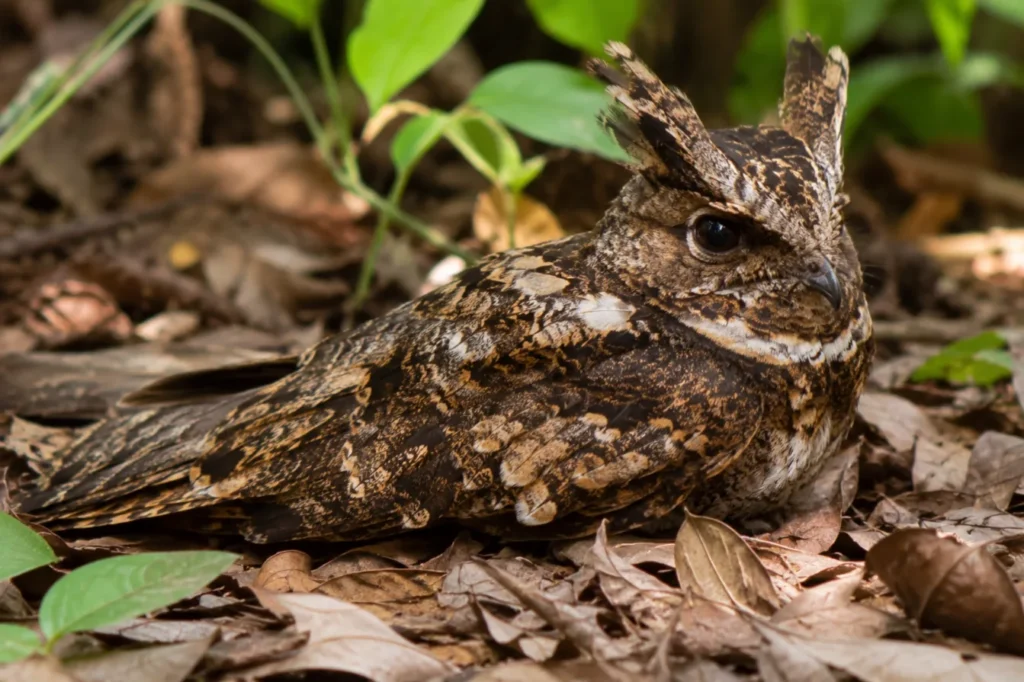
- Great Eared Nightjar: 10 Surprising Facts
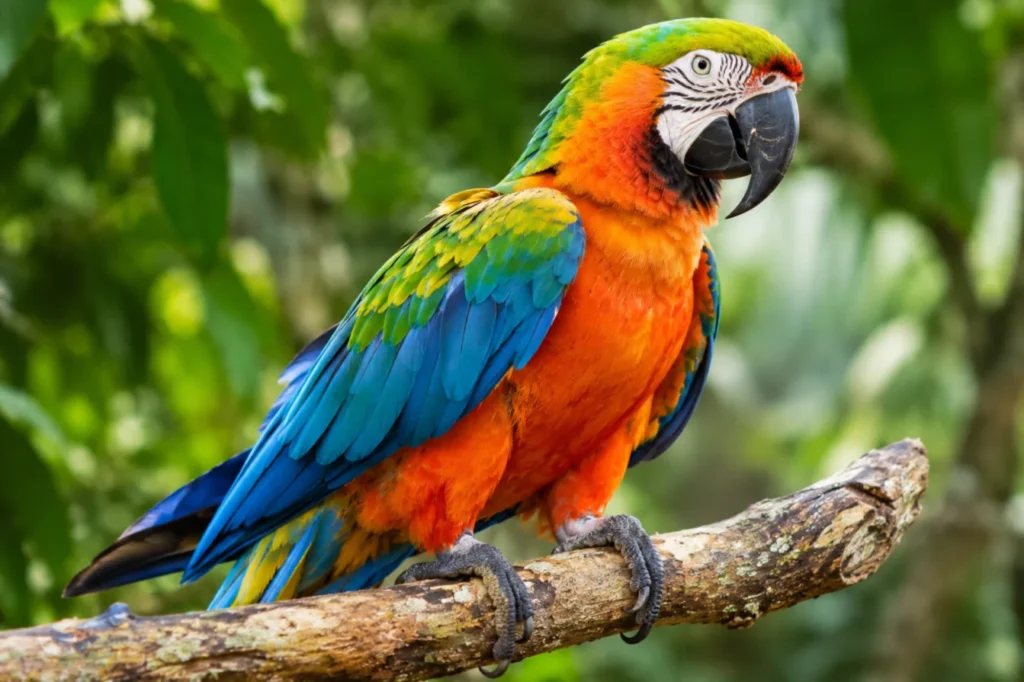
- Harlequin Macaw: Facts, Personality and Care Needs
- Coturnix Quail Guide: Care, Eggs and Lifespan
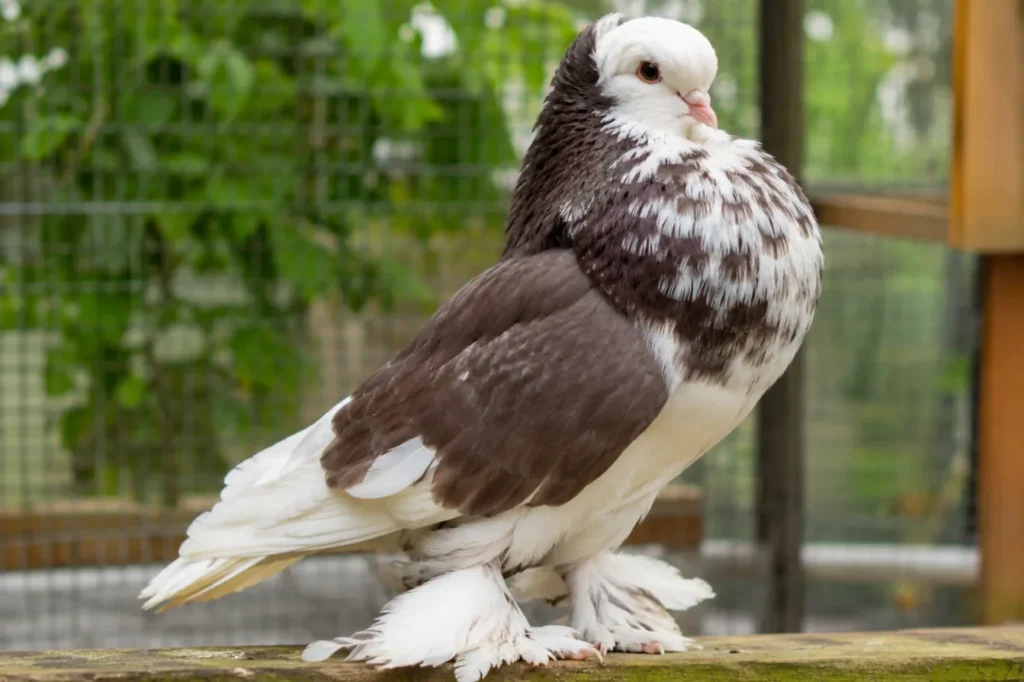
- Old German Owl Pigeon: Breed Guide and Care
Trusted outside sources:
Frequently Asked Questions
What is the most common purple bird in North America?
The purple martin is one of the best-known purple birds in North America.
Why do purple birds change color in different light?
Many purple birds get their color from feather structures that reflect light, so the color shifts with the viewing angle.
Are there purple birds you can keep as pets?
The Gouldian finch is kept as a pet, and some parrot color mutations have violet shades. Most wild purple birds should not be kept as pets.
Where can I see a lilac-breasted roller?
In eastern and southern African savannas, especially in national parks.
Final Thoughts
Purple birds are among the most dazzling sights in nature, from purple martins in backyard birdhouses to lilac-breasted rollers on the African savanna. Many owe their color to tiny feather structures that bend light. Grab your binoculars, find a responsible guide and enjoy these living jewels in the wild. For more guides like this, explore our Birds articles.

Maren Ashcroft
Maren Ashcroft writes the care guides at Pet Guide Nest. She has grown up around dogs, cats, and rabbits and loves learning about the more unusual pets too. She turns vet and animal welfare research into simple, practical advice for everyday pet owners.