Social media is full of photos of “animals with Down syndrome”: a white tiger with a broad face, a cat with wide-set eyes, a dog with unusual features. These images are often shared with kind intentions, but many are inaccurate. So, can animals have Down syndrome, and what does science actually say?
This guide separates viral myths from science and explains what chromosomal conditions look like in animals.
What Is Down Syndrome?
In people, Down syndrome is caused by an extra copy of chromosome 21 (trisomy 21). Humans normally have 46 chromosomes in 23 pairs. The extra chromosome affects development, appearance and health in different ways.
Because Down syndrome is defined by human chromosome 21, it is a human condition. Other species have different numbers and arrangements of chromosomes.
Can Animals Have Down Syndrome?
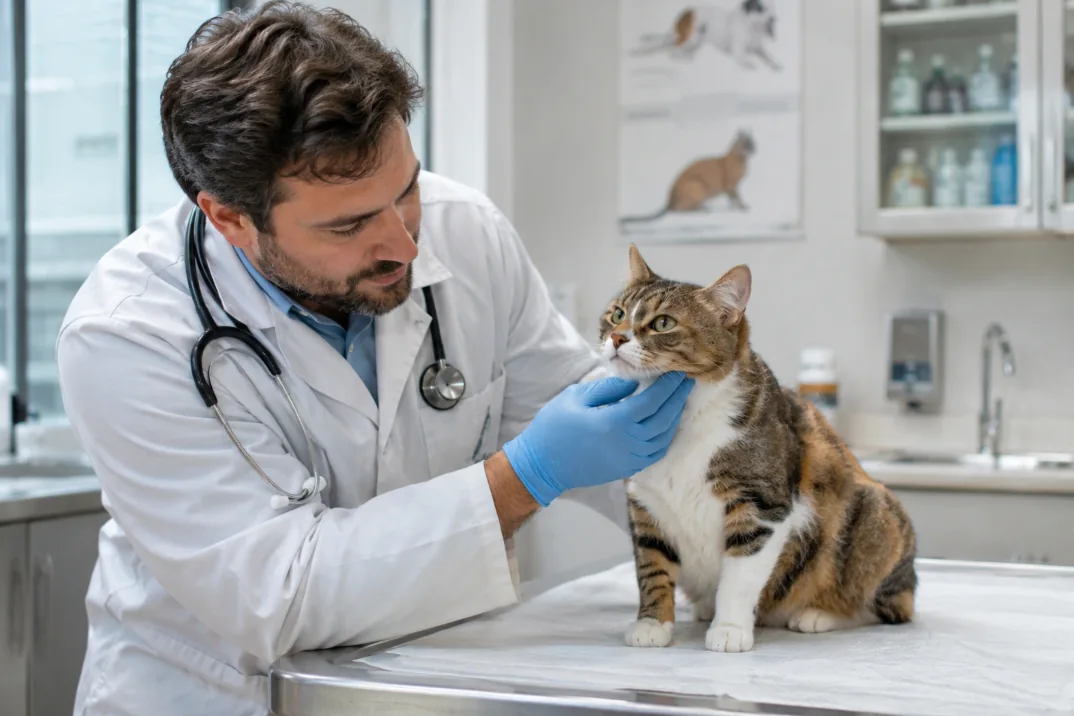
Strictly speaking, no animal can have Down syndrome exactly as it is defined in humans. However, animals can have chromosomal abnormalities, including extra copies of chromosomes (trisomies), that may cause some similar signs.
| Species | Chromosomes (typical number) |
|---|---|
| Humans | 46 |
| Chimpanzees | 48 |
| Dogs | 78 |
| Cats | 38 |
| Horses | 64 |
A Real Example: Chimpanzees
Chimpanzees are among the closest relatives of humans. Their chromosome 22 corresponds closely to human chromosome 21.
In 2017, researchers in Japan described a chimpanzee named Kanako with an extra copy of chromosome 22, a condition similar to trisomy 21 in humans. She had developmental delays, heart problems and vision loss. Earlier, a similar case in a chimpanzee was reported in the late 1960s.
These rare cases are the closest known parallels to Down syndrome in animals.
Down Syndrome in Animals: Common Myths
Myth 1: Kenny the White Tiger Had Down Syndrome
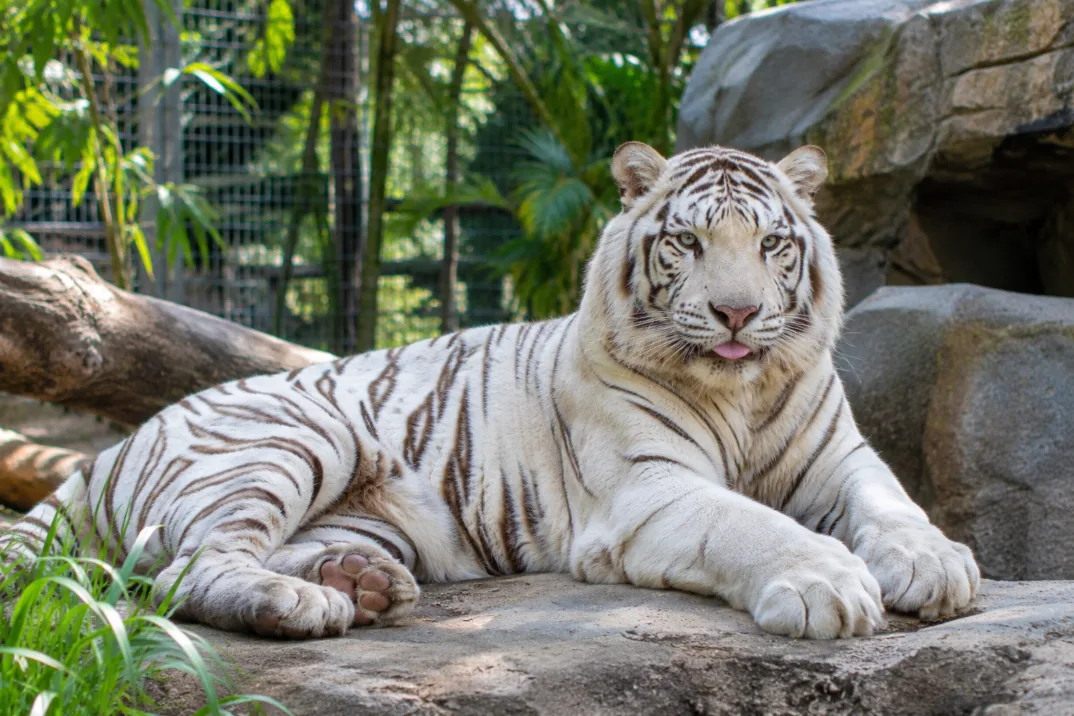
Kenny, a white tiger from a US animal facility, became famous online for his unusual face. Experts have explained that his features were linked to inbreeding, which is often used to produce white tigers, not Down syndrome.
Myth 2: Cats With Wide-Set Eyes Have Down Syndrome
Cats cannot have Down syndrome. Cats with unusual facial features may have congenital conditions, injuries, infections, neurological problems or simply natural variation.
Myth 3: Any Animal That Looks Different Has Down Syndrome
Unusual features can come from many causes, including:
- Genetic conditions
- Hormone disorders
- Birth defects
- Injuries
- Infections during development
- Inbreeding
What Chromosomal Conditions Look Like in Animals
Chromosomal abnormalities in animals are often serious. Many animals with large chromosomal errors do not survive birth. Those that do may show:
- Small size or slow growth
- Unusual facial features
- Heart defects
- Problems with movement or coordination
- Developmental or learning delays
- Fertility problems
Some chromosomal conditions, such as those affecting sex chromosomes, are better documented in animals. Tortoiseshell or calico male cats, for example, usually have an extra X chromosome.
Dogs, Cats and Down Syndrome-Like Signs
Pet owners sometimes worry when their puppy or kitten seems different. Conditions that can cause similar signs include:
- Congenital hypothyroidism
- Pituitary dwarfism
- Hydrocephalus
- Heart defects
- Liver shunts
Our article on dogs with Down syndrome explains these conditions in more detail.
When to See a Vet
If your pet shows slow growth, unusual features, coordination problems or learning delays, see your vet. Tests can help find the cause, and some conditions can be treated or managed.
Why Accurate Information Matters
Sharing myths may seem harmless, but it can:
- Spread misunderstanding about Down syndrome in people
- Hide real welfare problems, such as inbreeding
- Prevent owners from seeking treatment for pets
Respectful, accurate language helps both animals and people.

Animals With Down Syndrome: Why the Myth Spreads
Why Photos of Animals With Down Syndrome Go Viral
Unusual faces attract attention, and the label “animals with Down syndrome” feels like a simple explanation. Unfortunately, it often replaces the real story, which may involve inbreeding, illness or injury.
How to Check a Viral Animal Story
- Look for the original source, such as a zoo, sanctuary or research paper.
- Check whether a vet or scientist has commented.
- Be cautious of captions with no names, dates or locations.
Respectful Language
People with Down syndrome are sometimes hurt when the condition is used as a label for animals that look “different.” Accurate, respectful language helps everyone.
Note: This article is for general information only and is not a substitute for advice from a qualified veterinarian. If your pet seems unwell or you are unsure, please contact your vet.
Helpful Resources
More guides from Pet Guide Nest:
- Cool Animal Facts That Will Surprise You (2026 Edition)
- Baby Bobcat Facts: What They’re Called and Life in the Wild
- Mongoose Hawaii Guide: What They Eat and Their Impact on Wildlife
Trusted outside sources:
Frequently Asked Questions
Can animals have Down syndrome?
Not exactly as defined in humans, because Down syndrome involves human chromosome 21. Some animals have chromosomal conditions with similar effects.
Has a chimpanzee ever had a Down syndrome-like condition?
Yes. Rare cases of chimpanzees with an extra chromosome 22, similar to human trisomy 21, have been reported, including Kanako in Japan.
Did Kenny the white tiger have Down syndrome?
No. His unusual features were linked to inbreeding, not Down syndrome.
What should I do if my pet looks or acts differently?
See your vet. Many congenital conditions can be diagnosed, and some can be treated.
Final Thoughts
Animals with Down syndrome, in the strict sense, do not exist, because Down syndrome is defined by human chromosomes. But animals can have chromosomal and congenital conditions with similar signs, and rare cases in chimpanzees come close. Share accurate information, question viral claims and see a vet if your pet seems different. For more guides like this, explore our Facts and Myths articles.
Maren Ashcroft
Maren Ashcroft writes the care guides at Pet Guide Nest. She has grown up around dogs, cats, and rabbits and loves learning about the more unusual pets too. She turns vet and animal welfare research into simple, practical advice for everyday pet owners.