

The animal world is full of surprises. Some animals have extra hearts, some can regrow body parts, and some communicate in ways we are only beginning to understand. If you love learning, these cool animal facts are perfect for sharing with friends, family and fellow pet lovers.
Here are surprising, widely documented facts about pets and wild animals for 2026.
Cool Animal Facts About Pets
1. A Dog’s Nose Print Is Unique
Just like human fingerprints, the pattern of ridges and creases on a dog’s nose is unique to each dog.
2. Cats Cannot Taste Sweetness
Cats lack a working version of a gene needed for sweet taste receptors, so they do not taste sugar the way we do.
3. Dogs Have an Incredible Sense of Smell
Dogs have far more scent receptors than humans, and a large part of their brain is devoted to analyzing smells. That is why they are used for search, rescue and medical detection work.
4. Rabbits’ Teeth Never Stop Growing
Rabbit teeth grow throughout life, which is why hay is so important for wearing them down. See our guide on whether rabbits can eat cabbage for more diet tips.
5. Goldfish Have Better Memories Than Their Reputation
The “three-second memory” is a myth. Studies have shown goldfish can learn and remember tasks for much longer.
6. Parrots Can Use Words in Context
Some parrots, such as African greys, have been studied for their ability to label objects, colors and shapes.
Interesting Animal Facts About Wildlife
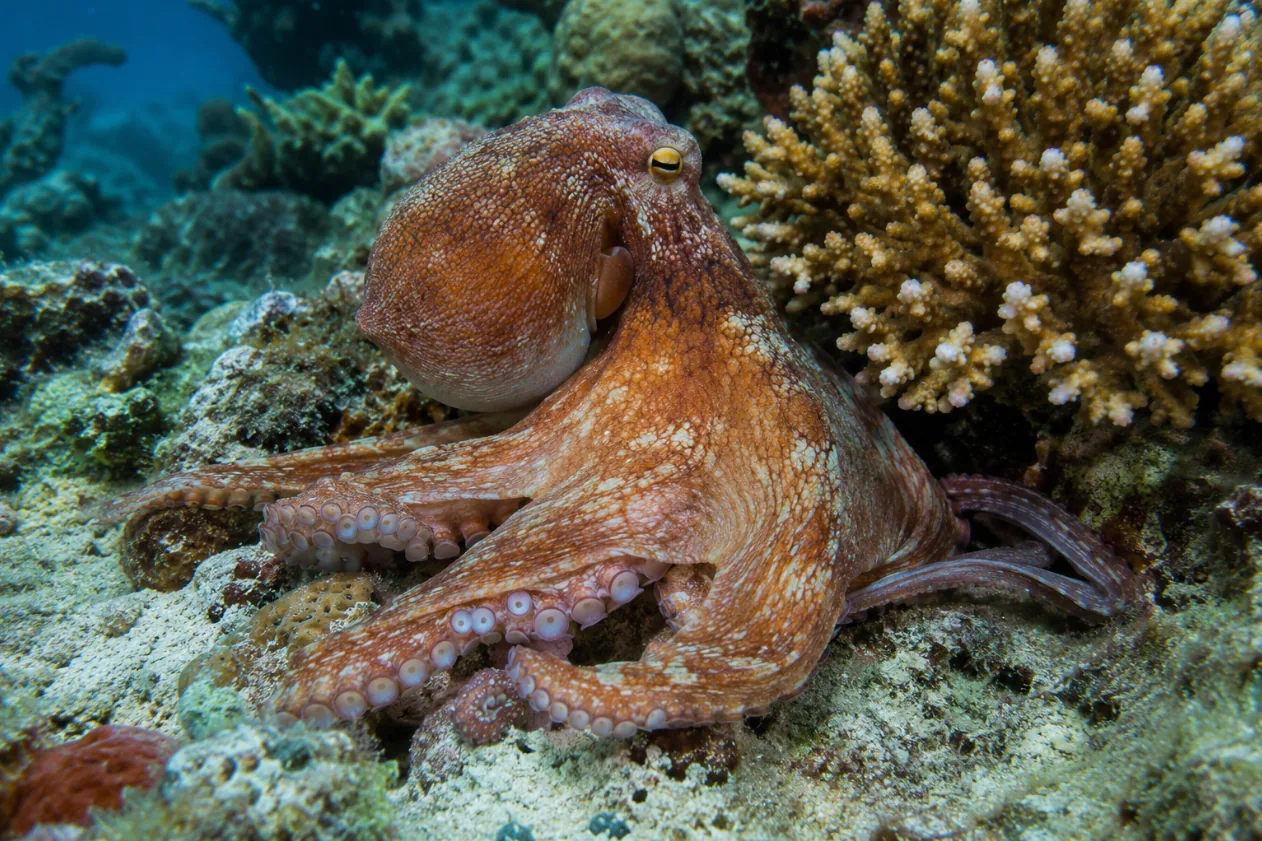
7. Octopuses Have Three Hearts
Two hearts pump blood through the gills, and one pumps it to the rest of the body. Their blood is blue because it uses a copper-based molecule to carry oxygen.
8. Axolotls Can Regrow Body Parts
Axolotls can regenerate limbs, parts of the spinal cord and even parts of the heart and brain. Learn more in our axolotl pet guide.
9. Flamingos Get Their Color From Food
Flamingos are pink because of pigments called carotenoids in the algae and small crustaceans they eat.
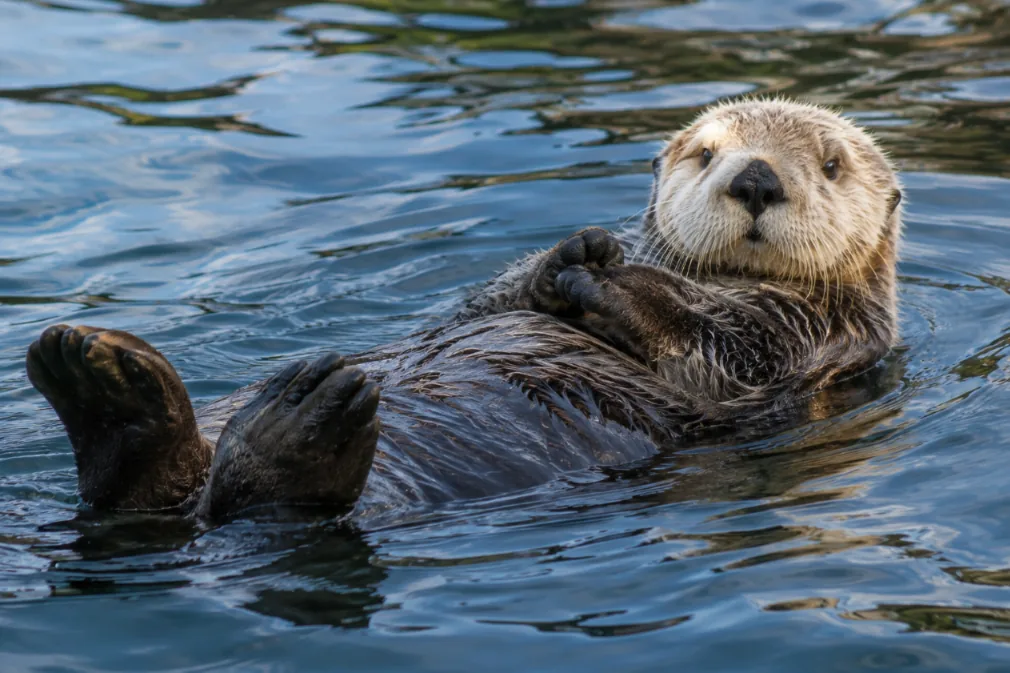
10. Sea Otters Hold Hands While Sleeping
Sea otters sometimes hold paws or wrap themselves in kelp while resting, which helps keep them from drifting apart.
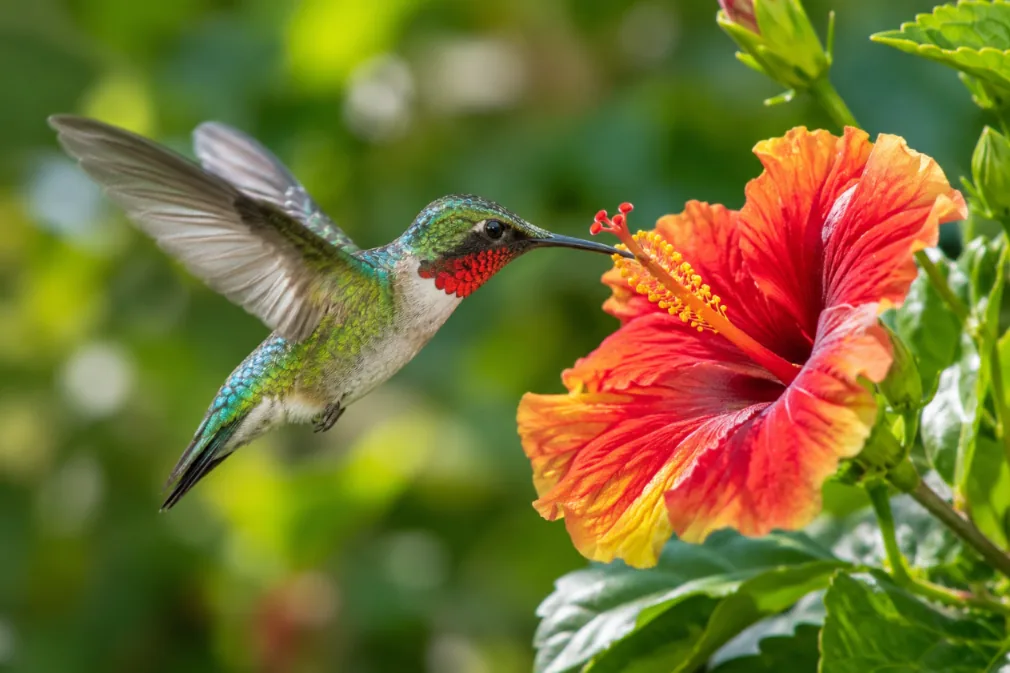
11. Hummingbirds Can Fly Backwards
Hummingbirds can hover, fly backwards and even briefly fly upside down, thanks to their flexible wing joints.
12. Owls Cannot Move Their Eyes
Owl eyes are tube-shaped and fixed in place. To look around, owls turn their heads, and many can rotate them about 270 degrees.
13. Wombats Produce Cube-Shaped Poop
Wombats are known for their cube-shaped droppings, which researchers believe form because of how the walls of their intestines stretch.
14. Elephants Communicate With Low Rumbles
Elephants make low-frequency sounds that can travel long distances, helping them communicate across the savanna.
15. Honeybees Dance to Share Directions
Honeybees perform a “waggle dance” to tell other bees the direction and distance of food sources.
16. Tardigrades Are Extremely Tough
These tiny animals, sometimes called water bears, can survive extreme dryness, cold and radiation by entering a dormant state.
Fun Facts About Animals and Their Groups
| Animal | Group name |
|---|---|
| Flamingos | A flamboyance |
| Crows | A murder |
| Owls | A parliament |
| Lions | A pride |
| Jellyfish | A smack |
| Ferrets | A business |
| Zebras | A dazzle |
Amazing Animal Facts: Myths vs Truth
| Myth | Truth |
|---|---|
| Bats are blind | Bats can see, and many also use echolocation |
| Goldfish forget in seconds | Goldfish can remember for weeks or longer |
| Ostriches bury their heads | Ostriches do not bury their heads; they lower them to tend nests |
| Bulls hate red | Bulls react to movement, not the color red |
Why Animal Facts Matter
Learning about animals helps us appreciate them, care for pets better and protect wildlife. Many surprising facts come from scientific research, so it is always worth checking claims with trusted sources such as zoos, universities and conservation organizations.
More Cool Animal Facts About Birds and Sea Life
Cool Animal Facts About Birds
- Crows can recognize human faces and remember people who have treated them badly.
- Penguins have solid bones that help them dive, unlike most flying birds.
- Woodpeckers have long tongues that wrap around their skulls.
Cool Facts About Sea Creatures
- Starfish have no brain and move using hundreds of tiny tube feet.
- Seahorse fathers carry the babies in a special pouch.
- Some jellyfish glow through bioluminescence.
These cool animal facts are great conversation starters, and a reminder of how much there is to learn about the animal kingdom.
Helpful Resources
More guides from Pet Guide Nest:
- Animals With Down Syndrome: Myths vs Science
- Baby Bobcat Facts: What They’re Called and Life in the Wild
- Mongoose Hawaii Guide: What They Eat and Their Impact on Wildlife
- Albino Monkeys: Appearance, Causes and Facts
- Howler Monkey: The Loudest Monkey
- Spider Monkey Facts
Trusted outside sources:
Frequently Asked Questions
What is the coolest animal fact?
Many people love that octopuses have three hearts and blue blood, or that axolotls can regrow limbs.
Are these animal facts true?
These facts are widely documented in scientific and educational sources. Always check unusual claims with trusted sources.
What are some fun facts about pets?
Dogs have unique nose prints, cats cannot taste sweetness and rabbit teeth never stop growing.
Do goldfish really have three-second memories?
No. Studies show goldfish can remember things for much longer.
Final Thoughts
These cool animal facts show how amazing animals are, from octopuses with three hearts to wombats with cube-shaped poop. Share them with friends, use them to spark curiosity in children and keep learning about the animals around you. For more guides like this, explore our Facts and Myths articles.

Maren Ashcroft
Maren Ashcroft writes the care guides at Pet Guide Nest. She has grown up around dogs, cats, and rabbits and loves learning about the more unusual pets too. She turns vet and animal welfare research into simple, practical advice for everyday pet owners.


