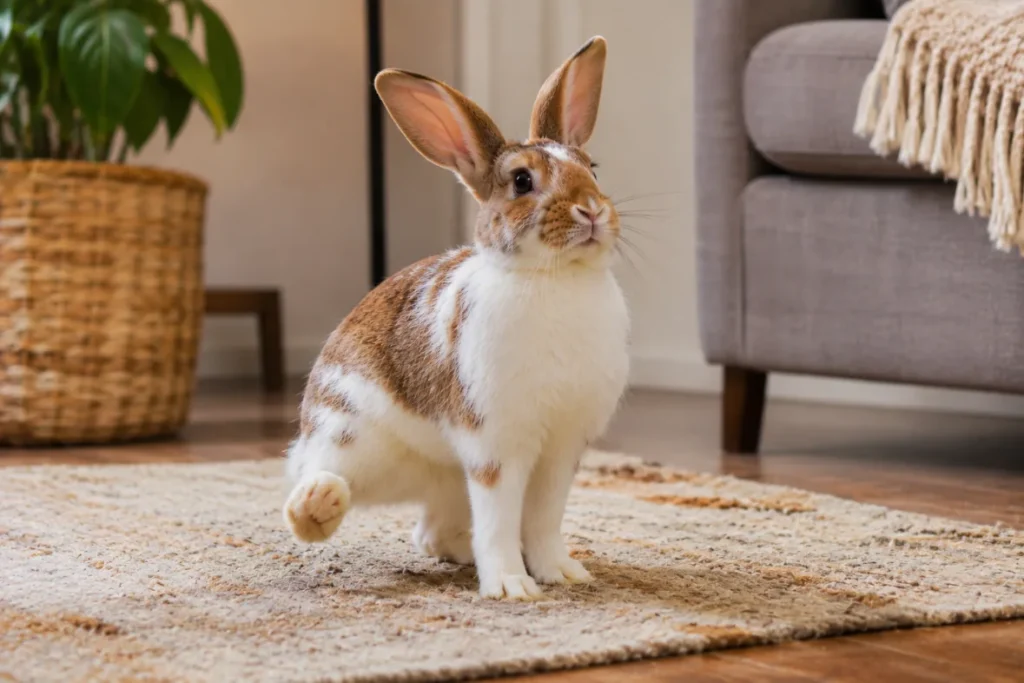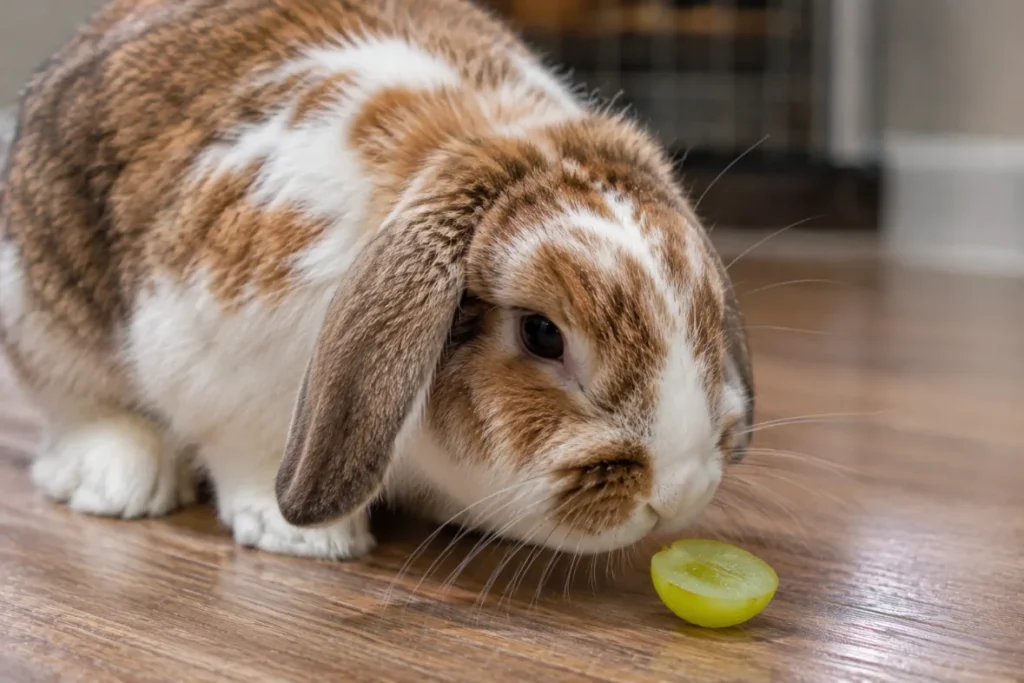


Cabbage is cheap, crunchy and easy to find, so it is natural to wonder whether your bunny can share it. The short answer to “can rabbits eat cabbage?” is yes, in small amounts, but it is not the best daily green for every rabbit.
This guide explains which types of cabbage are safe, how much to feed, how to introduce it and which greens make better everyday choices.
Can Rabbits Eat Cabbage Safely?
Yes, most adult rabbits can eat cabbage as part of a varied diet. Cabbage provides fiber, water and some vitamins.
However, cabbage belongs to the brassica family, along with broccoli, kale and Brussels sprouts. Brassicas can cause gas in some rabbits. Because rabbits cannot pass gas easily, too much can lead to discomfort and digestive upset.
That is why cabbage should be fed occasionally and in small portions.

Types of Cabbage for Rabbits
| Type | Can rabbits eat it? | Notes |
|---|---|---|
| Green cabbage | Yes, in small amounts | Mild; feed occasionally |
| Red (purple) cabbage | Yes, in small amounts | Similar to green; may color droppings slightly |
| Savoy cabbage | Yes, in small amounts | Softer leaves |
| Napa (Chinese) cabbage | Yes, in small amounts | Mild and watery |
| Bok choy | Yes, in moderation | Often well tolerated |
| Cooked cabbage | No | Rabbits should only eat fresh, raw greens |
| Sauerkraut or pickled cabbage | No | Salt, vinegar and fermentation are unsafe |
Nutritional Value of Cabbage for Rabbits
Cabbage contains fiber, water and vitamins such as vitamin C and vitamin K. These can be part of a healthy diet, but rabbits get most of what they need from hay and a variety of leafy greens. That is why the answer to “can rabbits eat cabbage?” comes with a note about portion size. A little adds variety, while too much can upset the gut.
Can Rabbits Eat Cabbage From the Garden?
Homegrown cabbage is fine if you know it has not been treated with pesticides or slug pellets. Wash leaves thoroughly and feed only fresh, crisp leaves, never wilted, moldy or frozen ones.
How Much Cabbage Can a Rabbit Eat?
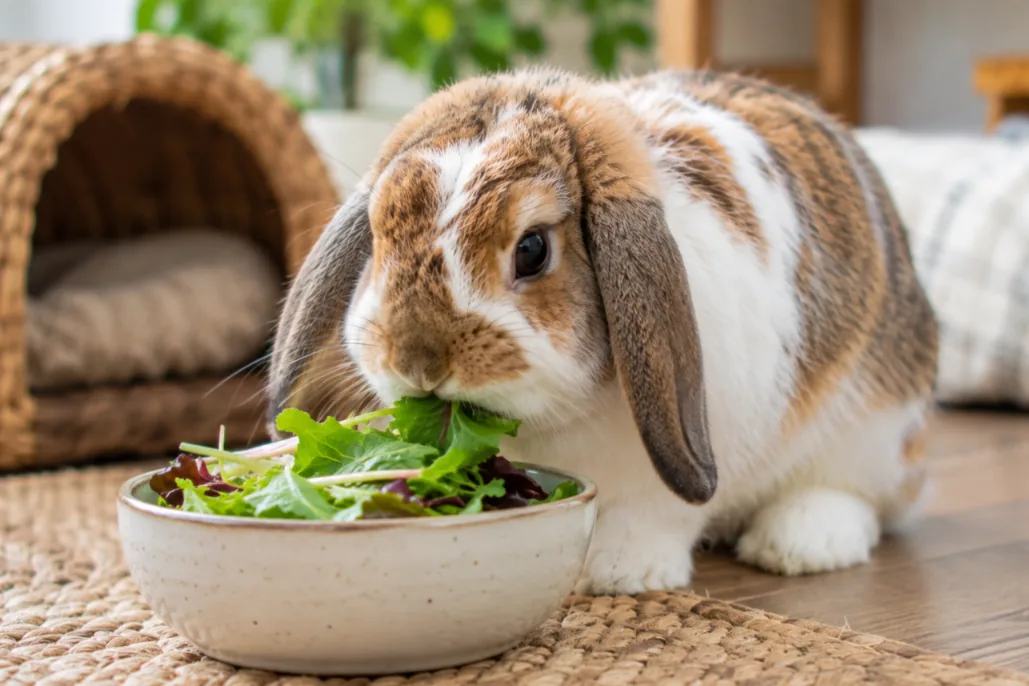
Cabbage should be a small part of the fresh greens portion, not the main green.
- Offer a few leaves at a time, a couple of times a week.
- Rotate cabbage with other leafy greens rather than feeding it daily.
- Smaller and younger rabbits need smaller portions.
If your vet has given you a specific diet plan, follow that instead.
How to Introduce Cabbage to Your Rabbit
- Start with a small piece of one leaf.
- Wash it well to remove dirt and pesticides.
- Feed it alongside plenty of hay.
- Watch your rabbit over the next 24 hours.
- If droppings stay normal and your rabbit is behaving as usual, you can slowly offer a little more next time.
Introduce one new food at a time so you can spot any problem.
Feeding Cabbage to Rabbits: Signs of Tummy Trouble
Stop feeding cabbage and contact your vet if you notice:
- Fewer or smaller droppings, or no droppings
- Soft, mushy droppings
- A bloated or tight belly
- Hunched posture or tooth grinding (a sign of pain)
- Loss of appetite
- Lethargy
A rabbit that stops eating or stops producing droppings needs urgent vet care, as gut slowdown (GI stasis) can become serious quickly.
What Should a Rabbit Eat Every Day?
Cabbage is a side dish. A healthy rabbit diet looks like this:
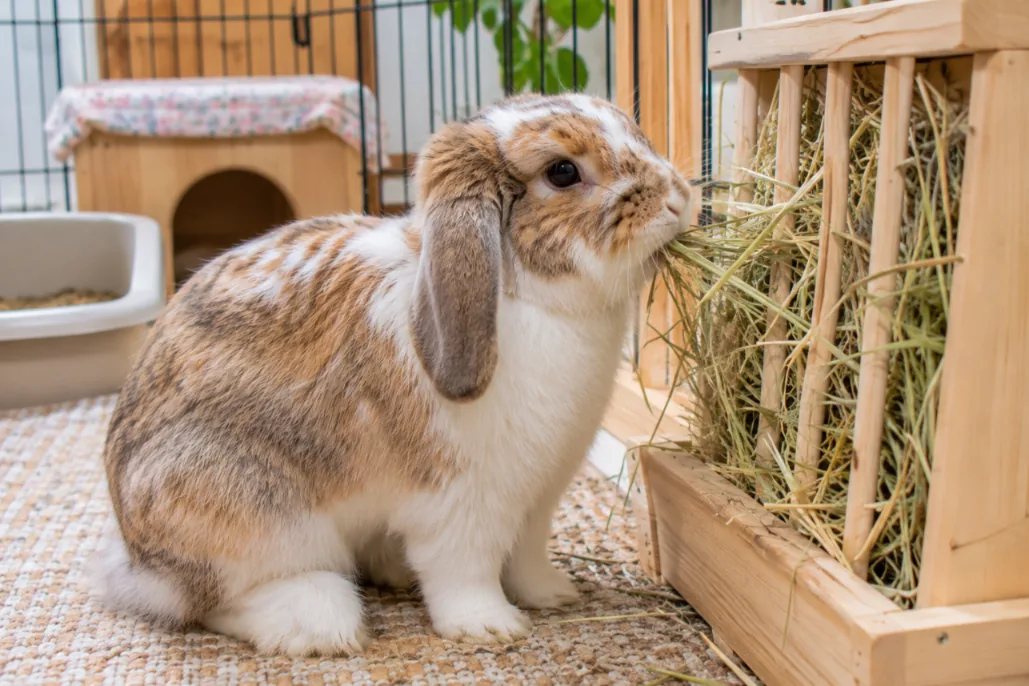
- Hay (most of the diet): Unlimited grass hay such as timothy or meadow hay. It keeps teeth worn and the gut moving.
- Fresh greens: A daily mix of safe leafy greens.
- Pellets: A small portion of plain, high-fiber pellets.
- Fresh water: Always available.
- Treats: Tiny amounts of fruit only occasionally.
Better Everyday Greens
Many rabbit owners rotate greens such as:
- Romaine lettuce (not iceberg)
- Cilantro (coriander)
- Parsley
- Basil
- Dill
- Bok choy (in moderation)
- Dandelion greens (pesticide-free)
A Sample Weekly Greens Rotation
Rotating greens keeps your rabbit interested and spreads out foods that may cause gas. Here is one simple example:
| Day | Greens idea |
|---|---|
| Monday | Romaine lettuce and cilantro |
| Tuesday | Parsley and dill |
| Wednesday | Romaine and a small piece of cabbage |
| Thursday | Basil and bok choy |
| Friday | Cilantro and dandelion greens |
| Saturday | Romaine and parsley |
| Sunday | Dill, basil and a little cabbage |
Adjust portions to your rabbit’s size and your vet’s advice.
Foods Rabbits Should Never Eat
- Chocolate, sweets and baked goods
- Avocado
- Onions, garlic and leeks
- Iceberg lettuce in large amounts
- Bread, crackers and cereals
- Rhubarb
- Houseplants unless you know they are safe
Diet also affects overall health. If your rabbit ever shows balance problems, read our guide to rabbit head tilt and contact your vet.
Note: This article is for general information only and is not a substitute for advice from a qualified veterinarian. If your pet seems unwell or you are unsure, please contact your vet.
Helpful Resources
More guides from Pet Guide Nest:
- Most Popular Rabbit Breeds
- Preparing for Baby Rabbits
- How Long Do Chinchillas Live?
- Can Rabbits Eat Grapes?
- How Long Do Rabbits Live?
Trusted outside sources:
Frequently Asked Questions
Can bunnies eat cabbage every day?
It is better not to. Cabbage can cause gas, so offer it a couple of times a week and rotate it with other greens.
Can baby rabbits eat cabbage?
Very young rabbits have sensitive stomachs. Wait until they are older and introduce greens slowly, following your vet’s advice.
Is red cabbage safe for rabbits?
Yes, in small amounts. Treat it the same way as green cabbage.
Can rabbits eat cabbage stalks?
Small pieces of washed stalk are generally fine, but the tough core can be hard to chew. Leaves are a better choice.
Final Thoughts
So, can rabbits eat cabbage? Yes, as an occasional green in small portions. Introduce it slowly, watch your rabbit’s droppings and stop if you see signs of gas or discomfort. Keep hay as the main food, rotate fresh greens and your rabbit will enjoy a healthy, varied diet.

Maren Ashcroft
Maren Ashcroft writes the care guides at Pet Guide Nest. She has grown up around dogs, cats, and rabbits and loves learning about the more unusual pets too. She turns vet and animal welfare research into simple, practical advice for everyday pet owners.