


Australian shepherds are beautiful, clever and full of energy. They are also one of the most misunderstood breeds for families who choose them on looks alone. Before you bring one home, it helps to weigh the Australian shepherd pros and cons honestly.
This guide covers what Aussies are really like to live with, the challenges new owners face and the type of home where this breed thrives.
A Quick Look at the Australian Shepherd Breed
Despite the name, the Australian shepherd was developed in the United States to herd livestock. They are medium-sized, athletic dogs with a weather-resistant double coat. The American Kennel Club lists a typical lifespan of about 12 to 15 years.
Aussies were bred to work all day, think for themselves and stay close to their handler. That history explains almost every pro and con below.
Australian Shepherd Pros
Highly Intelligent and Trainable
Aussies learn quickly and love having a job. They excel at obedience, agility, herding, trick training and scent work. If you enjoy training, few breeds are more rewarding.
Loyal and Affectionate With Family
Most Aussies bond strongly with their people. They like to follow you from room to room and join in whatever you are doing.
Great Activity Partners
If you hike, run or spend weekends outdoors, an adult Aussie is a tireless companion once their joints are fully developed.
Generally Hardy Working Dogs
Aussies are an active, athletic breed. With responsible breeding and good care, many stay fit and playful well into their senior years.
Stunning Coat Colors
Blue merle, red merle, black and red tri-color coats with striking eye colors make the breed instantly recognizable.
Australian Shepherd Cons
Very High Energy
This is the biggest con. An Aussie needs vigorous daily exercise plus mental work. Without it, they may bark, chew, dig or invent their own jobs.
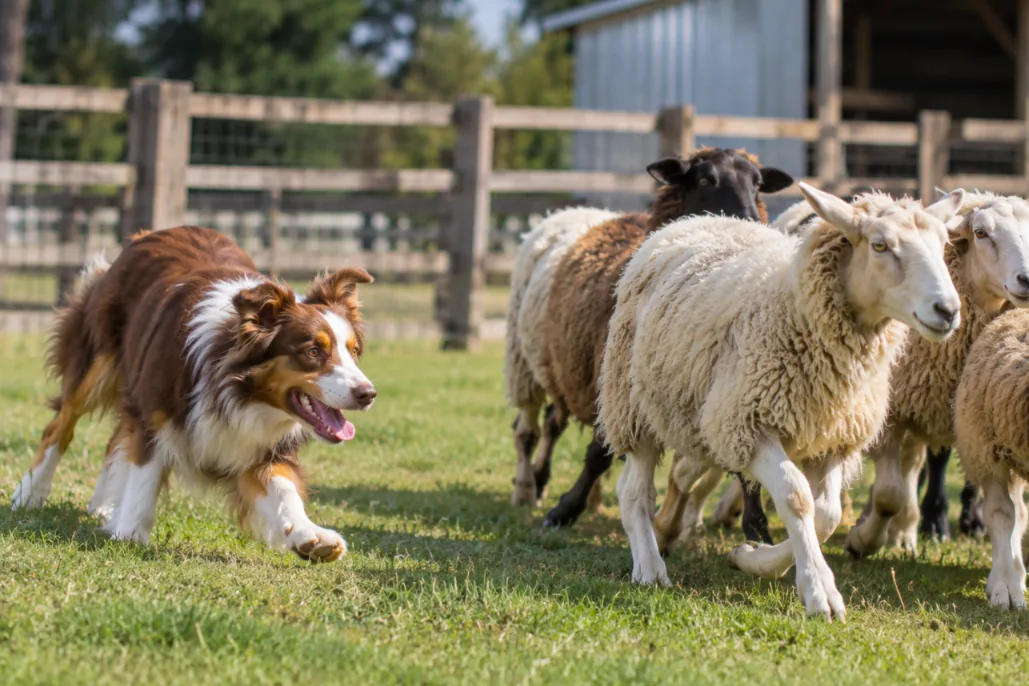
Herding Behavior
Aussies may try to herd children, other pets or even cars. This can include circling, nipping at heels and barking. Training can redirect it, but the instinct does not disappear.
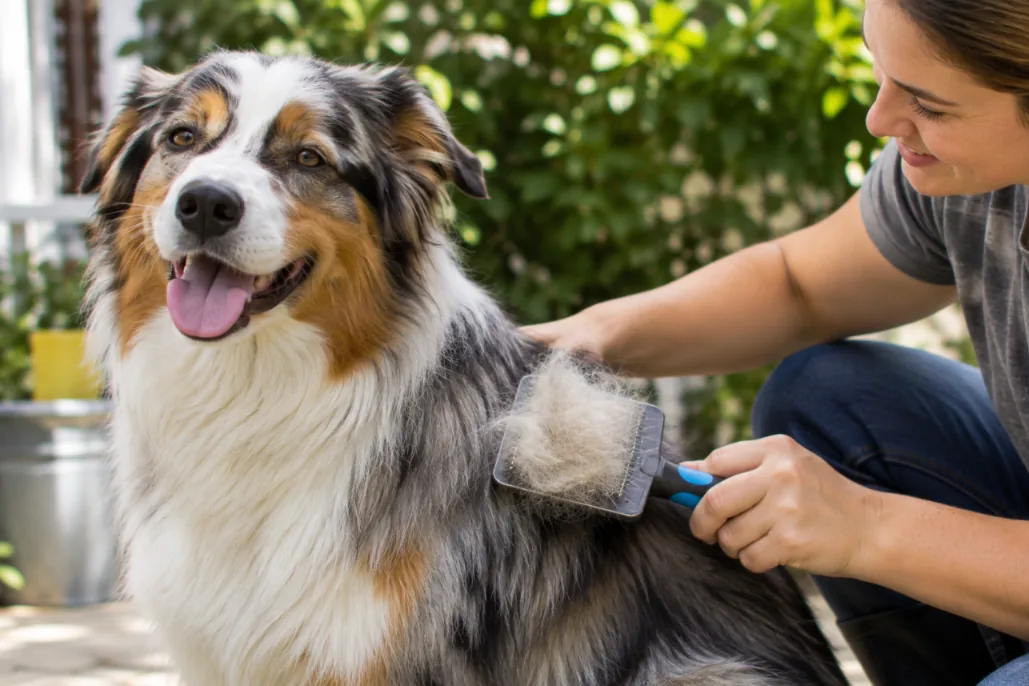
Heavy Shedding
Their double coat sheds year-round, with heavier “coat blows” usually in spring and fall. Plan to brush several times a week.
Can Be Wary of Strangers
Many Aussies are reserved with new people. Early, positive socialization helps them stay confident rather than anxious.
Some Breed-Specific Health Concerns
Aussies can be affected by hip dysplasia, certain eye conditions and epilepsy. Many also carry the MDR1 gene mutation, which makes some common medications dangerous. A simple DNA test can tell you whether your dog is affected, and your vet should know the result.
Australian Shepherd Pros and Cons at a Glance
| Pros | Cons |
|---|---|
| Very intelligent and eager to learn | Needs a lot of daily exercise |
| Loyal, affectionate family dog | May herd kids and other pets |
| Excellent sports and activity partner | Sheds heavily, especially seasonally |
| Usually energetic well into adulthood | Can be reserved with strangers |
| Beautiful, varied coat colors | MDR1 drug sensitivity and other inherited risks |
Is an Australian Shepherd Right for You?
An Aussie is often a great fit if you:
- Have time for at least an hour or more of activity most days
- Enjoy training and want to try dog sports
- Have a secure yard or safe places to run
- Do not mind dog hair on clothes and furniture
An Aussie may not be the best fit if you:
- Work long hours and the dog would be alone most of the day
- Want a calm, low-maintenance companion
- Live in a small space with little access to outdoor exercise
If you love the idea but worry about energy, consider adopting an adult Aussie from a rescue. Their personality is already known, and many have some training.
Weighing the Australian Shepherd Pros and Cons for Your Family
Every family is different, so make a simple list before you decide. Write down how much time you can give to exercise, training and grooming each day. Then compare it with the Australian shepherd pros and cons above. If the “cons” column describes things you enjoy, such as long hikes or training classes, an Aussie may be perfect. If they sound like a burden, a calmer breed may suit you better.
It also helps to meet adult Aussies before you commit. Breed clubs, rescues and dog sports events are good places to see the breed’s energy level in person.

Tips for New Aussie Owners
- Start socialization early and keep it positive.
- Teach a solid “settle” or “place” command so your dog learns to relax.
- Use puzzle feeders and short training sessions every day.
- Ask your breeder for health testing results and MDR1 status.
- Plan an exercise routine before your dog arrives.
Bringing home a new dog? Our guide to introducing a new dog to your home walks you through the first 30 days.
Helpful Resources
More guides from Pet Guide Nest:
Trusted outside sources:
Frequently Asked Questions
Are Australian shepherds good family dogs?
Yes, for active families who can meet their exercise and training needs. They may herd small children, so supervision and training matter.
Do Australian shepherds shed a lot?
Yes. They shed year-round and more heavily in spring and fall. Regular brushing helps manage it.
Can an Australian shepherd live in an apartment?
It is possible with a very committed owner who provides lots of daily exercise, but most Aussies are happier with more space and outdoor time.
What is the MDR1 mutation in Australian shepherds?
It is an inherited gene change that makes some dogs sensitive to certain medications. A DNA test identifies it, and your vet can then avoid risky drugs.
Final Thoughts
When you weigh the Australian shepherd pros and cons, the picture is clear. Aussies are brilliant, loving dogs for owners who can match their energy and enjoy training. If you can give daily exercise, mental work and regular grooming, an Aussie can be an outstanding companion for many years.

Maren Ashcroft
Maren Ashcroft writes the care guides at Pet Guide Nest. She has grown up around dogs, cats, and rabbits and loves learning about the more unusual pets too. She turns vet and animal welfare research into simple, practical advice for everyday pet owners.