
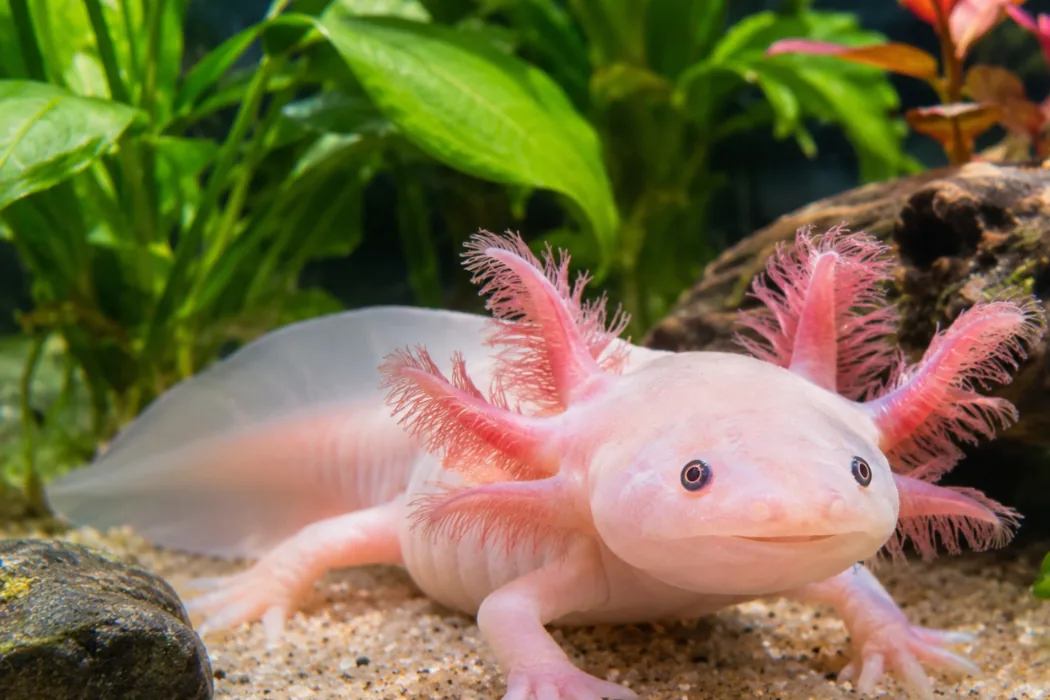
With their feathery gills and permanent smile, axolotls are one of the most charming aquatic pets. An axolotl pet can live for many years with the right care, but they have needs that surprise many first-time owners, especially around water temperature.
This guide covers legality, tank setup, water quality, feeding and handling, so you can decide whether keeping an axolotl as a pet is right for you.
What Is an Axolotl?
The axolotl is a salamander native to lakes near Mexico City. Unlike most amphibians, it keeps its juvenile features into adulthood and lives fully in water. Wild axolotls are critically endangered, but they are widely bred in captivity.
With good care, axolotls kept as pets commonly live 10 years or more.
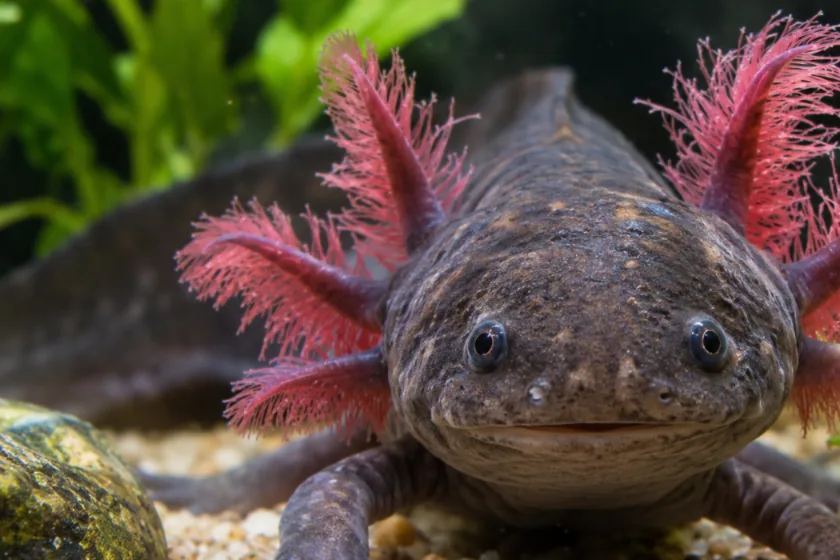
Is an Axolotl Pet Legal Where You Live?
Axolotls are restricted in some places. In the United States, states such as California, Maine and New Jersey have restrictions, and some other states or cities require permits. Rules can change, so always check current regulations with your state wildlife agency before buying.
Axolotl Tank Setup
Tank Size
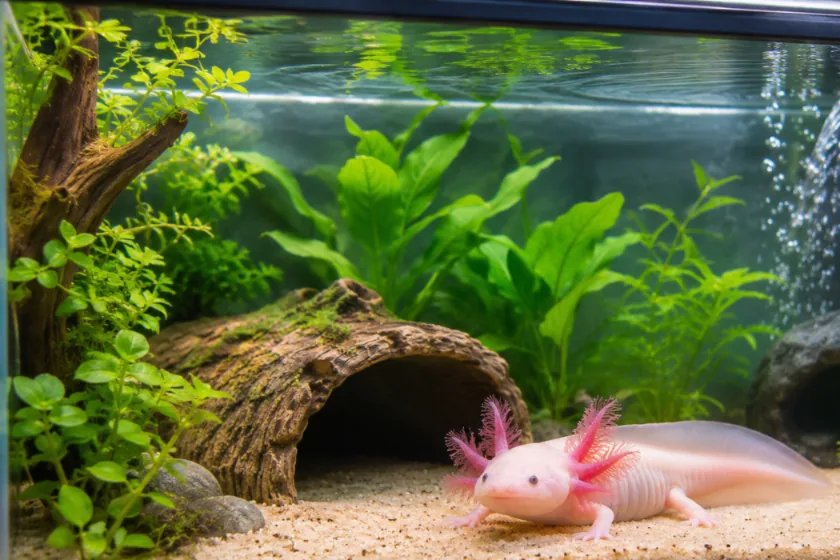
A single adult axolotl needs at least a 20-gallon long tank, and bigger is better. Floor space matters more than height. Add more space for each extra axolotl.
Water Temperature
This is the most important part of axolotl care. Axolotls are cold-water animals and are generally kept around 60–64°F (16–18°C). Temperatures that stay above about 72°F (22°C) cause stress and health problems.
To keep water cool:
- Place the tank away from windows and heat sources.
- Use a fan blowing across the water surface.
- Use an aquarium chiller in warm climates.
- Never use a heater.
Substrate
Use fine sand or a bare bottom. Avoid gravel and small stones, which axolotls can swallow and which can cause blockages.
Filtration and Flow
Use a gentle filter, such as a sponge filter. Strong water flow stresses axolotls.
Hides and Lighting
Provide caves or hides. Axolotls do not need bright lighting and prefer dimmer conditions.
Cycling the Tank Before Your Axolotl Arrives
Before adding your axolotl, the tank must be “cycled.” This means growing beneficial bacteria that break down toxic ammonia and nitrite into less harmful nitrate. Cycling usually takes several weeks.
Use a liquid aquarium test kit to check:
| Water test | Target |
|---|---|
| Ammonia | 0 ppm |
| Nitrite | 0 ppm |
| Nitrate | Keep low with regular water changes |
| Temperature | About 60–64°F (16–18°C) |
| Chlorine | Remove with a water conditioner |
Do partial water changes regularly, and always use a dechlorinator.
Feeding Your Axolotl Pet
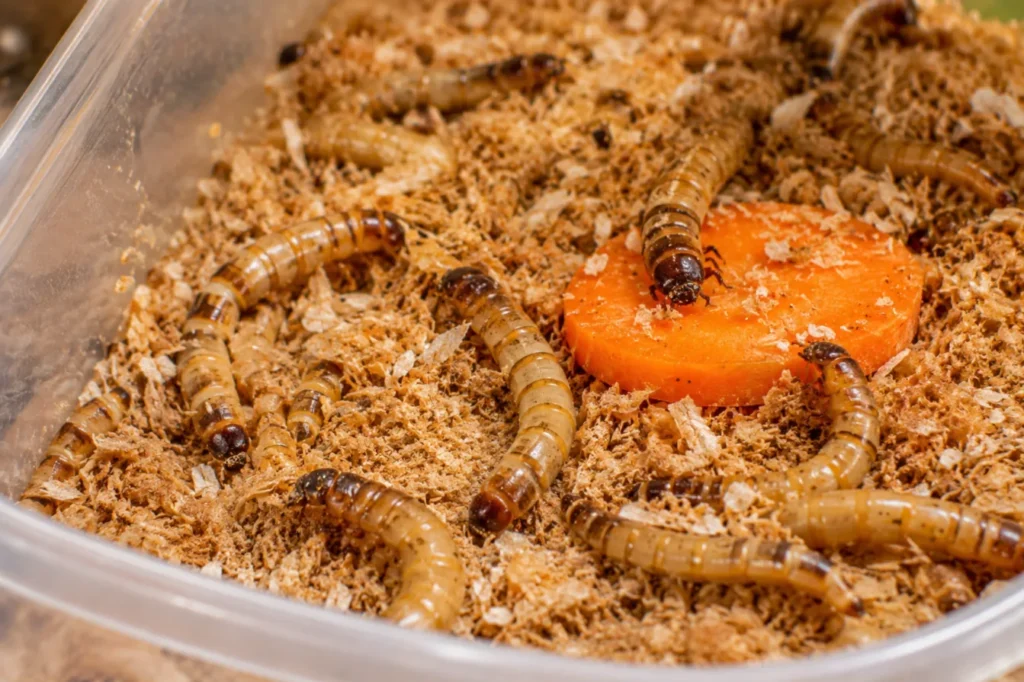
Axolotls are carnivores. Good foods include:
- Earthworms (such as nightcrawlers), cut to size
- Axolotl or carnivore sinking pellets
- Bloodworms as an occasional treat for adults
Juveniles eat daily. Adults usually eat every two to three days. Remove uneaten food to keep the water clean.
Avoid feeder fish, which can carry disease and may nip at gills.
Tank Mates
Axolotls are best kept alone or with other axolotls of similar size. Fish may nip at their gills, and axolotls may try to eat small fish. Small axolotls can be injured by larger ones.
Handling an Axolotl
Axolotls have delicate skin and soft cartilage. Avoid handling them unless necessary, such as when cleaning the tank. If you must move one, use a fine mesh net or a clean container.
Signs of a Healthy Axolotl
- Fluffy, full gills that point forward
- A good appetite
- Clear skin without fuzzy patches
- Relaxed behavior on the tank floor
Gills curled forward, floating, loss of appetite or fuzzy white patches can signal stress or illness. Check water quality first, then contact a vet who treats amphibians.
A Simple Cleaning Routine for an Axolotl Pet
- Daily: Remove uneaten food and waste, check the temperature.
- Weekly: Test the water and do a partial water change with dechlorinated water at a similar temperature.
- Monthly: Rinse the sponge filter in old tank water, never tap water, to protect helpful bacteria.
Costs of Keeping an Axolotl Pet
Most of the cost comes at the start: the tank, filter, test kit, hides and, in warm climates, a chiller. Ongoing costs include food, water conditioner and test kit refills. Budget for a vet visit too, as amphibian vets can be harder to find.

Is an Axolotl Pet Right for You?
An axolotl may be right for you if you are happy to test water regularly, keep the tank cool and enjoy watching rather than handling your pet. If you want a pet you can hold, a reptile such as one of the best pet lizards for beginners may suit you better.
Helpful Resources
More guides from Pet Guide Nest:
Trusted outside sources:
Frequently Asked Questions
Are axolotls good pets for beginners?
They can be, if the owner learns about water quality and cycling first. The biggest challenge is keeping water cool.
How big of a tank does an axolotl need?
At least a 20-gallon long tank for one adult, with more space for each additional axolotl.
What temperature should an axolotl tank be?
Generally around 60–64°F (16–18°C). Avoid temperatures that stay above about 72°F (22°C).
Can axolotls live with fish?
It is usually not recommended. Fish can nip gills, and axolotls may eat small fish.
Final Thoughts
An axolotl pet is fascinating and relatively low-key once the tank is set up properly. Check your local laws, cycle the tank, keep the water cool and feed a carnivore diet. With steady care and clean water, your axolotl can thrive for many years.

Maren Ashcroft
Maren Ashcroft writes the care guides at Pet Guide Nest. She has grown up around dogs, cats, and rabbits and loves learning about the more unusual pets too. She turns vet and animal welfare research into simple, practical advice for everyday pet owners.