
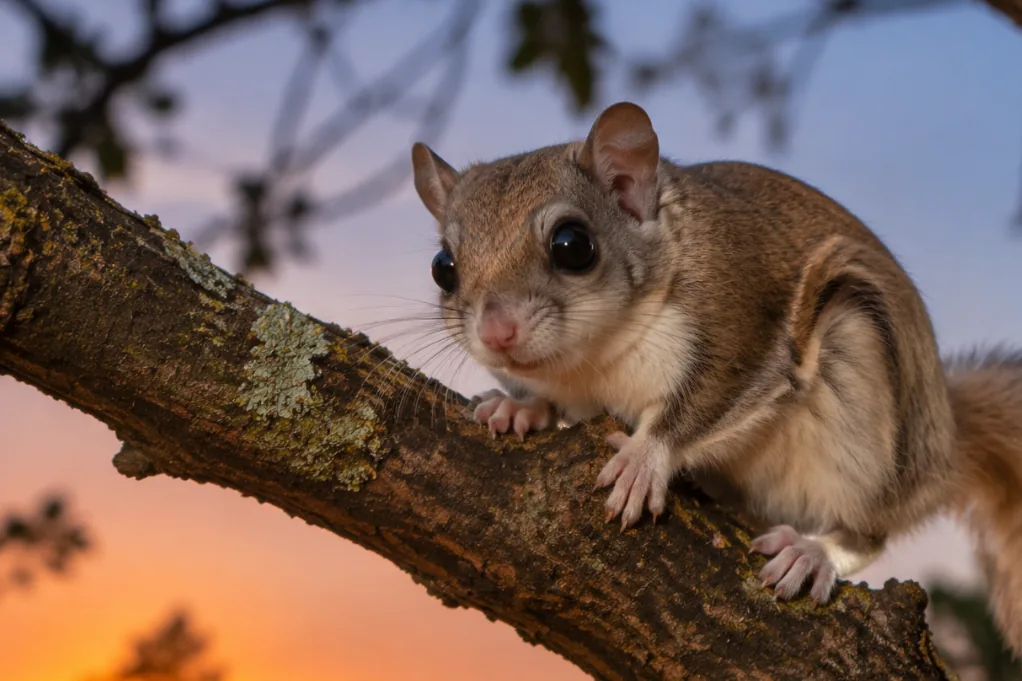
Big dark eyes, soft fur and the ability to glide through the air make flying squirrels fascinating. A flying squirrel pet can be affectionate and fun, but it is a demanding exotic animal with very specific needs. Before you bring one home, it is important to understand the laws, care, diet and habitat they need.
What Are Flying Squirrels?
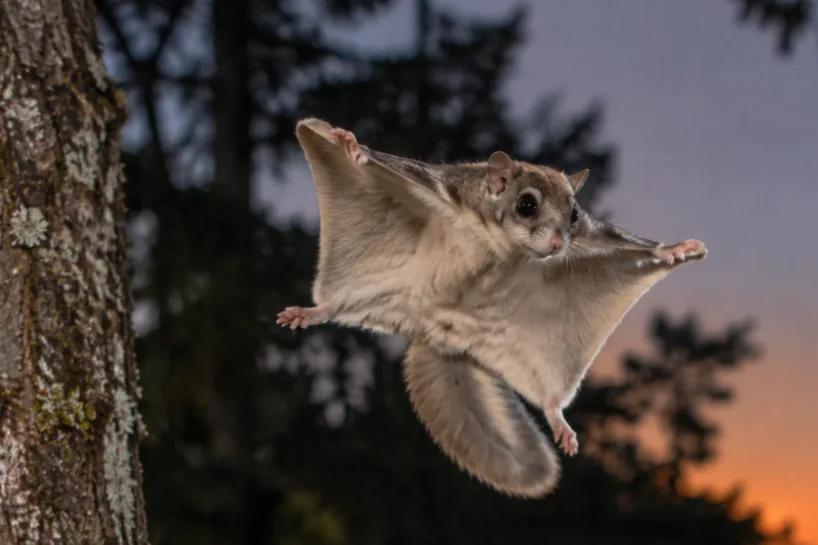
Flying squirrels do not actually fly. They glide using a furry membrane called a patagium that stretches between their front and back legs. In North America, the two native species are the southern flying squirrel and the northern flying squirrel. Southern flying squirrels are the species most often kept as pets in the US.
They are small, nocturnal and very social.
Is a Flying Squirrel Pet Legal?
Laws differ by state, and sometimes by county or city. Some states allow flying squirrels with a permit, some allow them only from licensed breeders and some ban them entirely. Taking squirrels from the wild is often illegal.
Before buying:
- Check your state wildlife agency’s rules.
- Ask about permits and approved sources.
- Confirm local rules and HOA or lease terms.
- Find a vet who treats exotic small mammals.
Flying Squirrel Habitat in the Wild
Wild flying squirrels live in forests, nesting in tree holes and old woodpecker cavities. They glide between trees at night, foraging for nuts, seeds, fruit, fungi and insects. Understanding their natural habitat helps you recreate the right environment at home.
Flying Squirrel Care at Home
Cage Setup
A flying squirrel needs height and space for climbing and short glides.
- A tall cage with narrow bar spacing (they can squeeze through small gaps)
- Branches, ropes and platforms at different heights
- A nest box or sleeping pouch high in the cage
- Safe chew items
- Secure doors and latches
Nighttime Activity
Flying squirrels are nocturnal. They sleep during the day and are active at night. If you want a pet that plays in the afternoon, this may not be the right choice.
Out-of-Cage Time
Daily supervised time in a squirrel-proofed room allows gliding and exploring. Remove hazards such as open water, cords, toxic plants and small gaps.
Social Needs
Flying squirrels are highly social. Many keepers house them in pairs or spend a lot of time bonding with them. Some owners carry young squirrels in a bonding pouch to build trust.
Flying Squirrel Diet
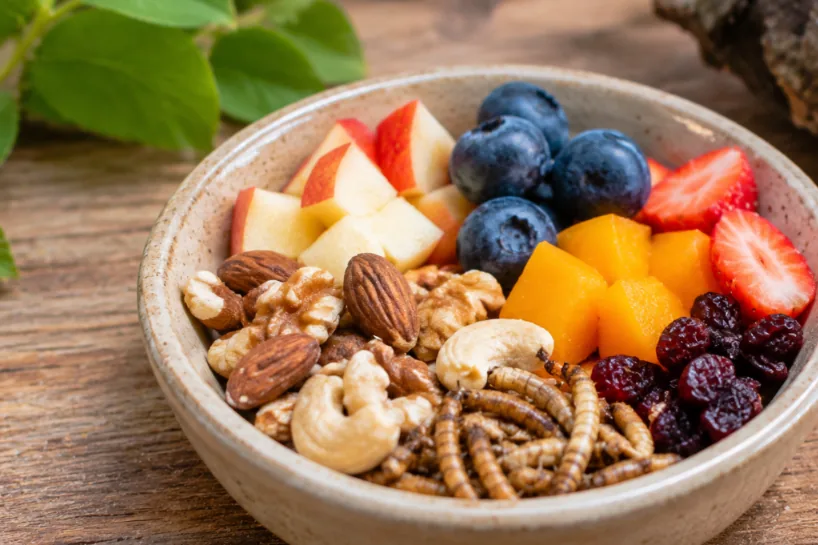
| Food | Notes |
|---|---|
| A commercial diet for flying squirrels or rodents | A base diet, as advised by an exotic vet |
| Fresh vegetables and some fruit | Variety in small portions |
| Nuts and seeds | In moderation; too many can cause weight and calcium problems |
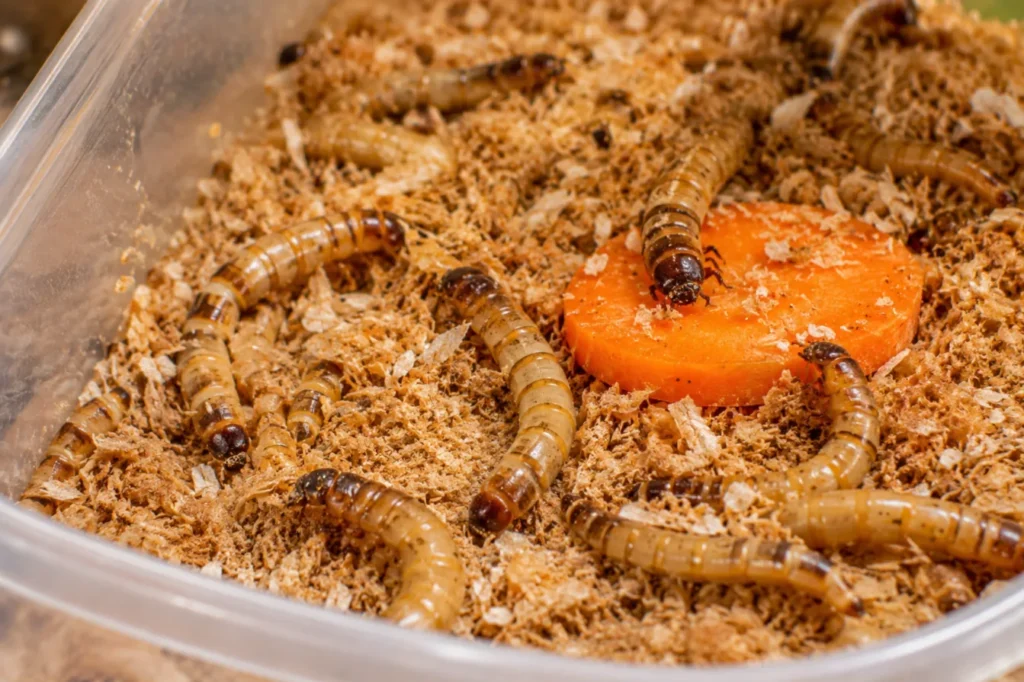
| Insects | Occasional protein, such as mealworms |
| Calcium | Many keepers provide a calcium supplement; ask your vet |
| Fresh water | Always available |
Calcium deficiency is a common problem in pet flying squirrels, causing weakness and bone problems. Your vet can guide the right balance.
Health and Vet Care
Watch for:
- Weakness, trembling or difficulty climbing (possible calcium deficiency)
- Weight loss or overgrown teeth
- Changes in droppings
- Injuries from falls or gaps in the cage
Schedule regular checkups with an exotic animal vet.
Pros and Cons of a Flying Squirrel Pet
| Pros | Cons |
|---|---|
| Small and affectionate when bonded | Nocturnal |
| Fascinating to watch | Laws vary and may restrict ownership |
| Long-lived for a small mammal (often 10+ years in captivity) | Need specialized diet and calcium balance |
| Can bond closely with owners | Need lots of daily attention and time |
Alternatives to Consider
If a flying squirrel does not suit your schedule or local laws, consider other small pets. Our sugar gliders as pets guide covers a similar gliding animal, and our teddy bear hamster guide covers an easier small pet.
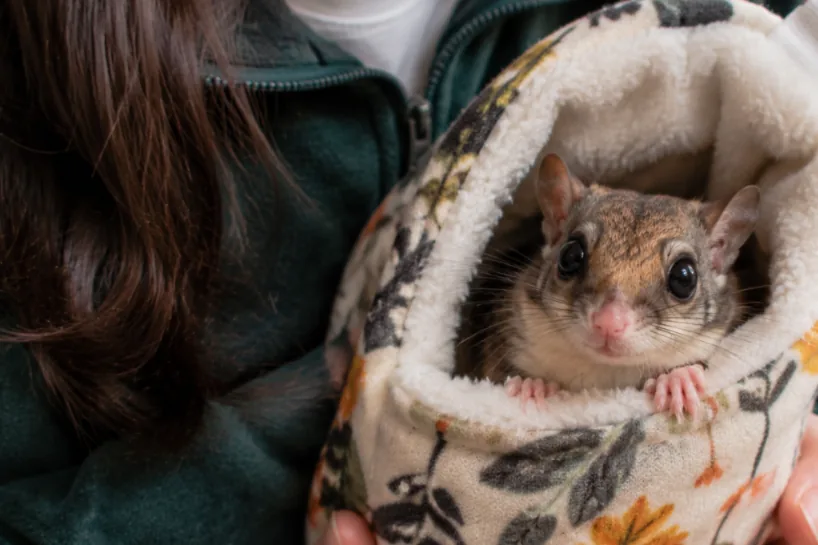
Bonding With a Flying Squirrel Pet
Start Young and Slowly
Many owners bond with their flying squirrel pet when it is young. Carry it in a soft bonding pouch during the day so it gets used to your scent and voice.
Offer Treats by Hand
Small, healthy treats from your hand help build trust. Keep treats to a small part of the diet.
Respect Sleep Time
Avoid waking your flying squirrel too often during the day. Bond in the evening when it is naturally awake.
Flying Squirrel Pet Safety Indoors
During free time, close windows and doors, cover open water such as toilets and sinks, turn off ceiling fans and supervise closely. Flying squirrels are small and fast, and they can get into tight spaces.
Patience Pays Off
Bonding can take weeks or months. With patience, many flying squirrels become comfortable riding on their owners’ shoulders and gliding to them.
Helpful Resources
More guides from Pet Guide Nest:
Trusted outside sources:
Frequently Asked Questions
Are flying squirrels good pets?
They can be for dedicated owners who are awake at night, can provide the right diet and have legal permission.
What do pet flying squirrels eat?
A base diet recommended by an exotic vet, plus vegetables, some fruit, limited nuts, occasional insects and attention to calcium.
How long do flying squirrels live as pets?
Many live 10 years or longer in captivity with good care.
Do flying squirrels bite?
They can, especially when scared or not yet bonded. Gentle, patient handling helps.
Final Thoughts
A flying squirrel pet can be a delightful companion, but it needs legal permission, a tall cage, a carefully balanced diet and plenty of nighttime attention. Check your local laws, find an exotic vet and recreate a safe, climbable habitat. With the right care, your flying squirrel can thrive for many years.

Maren Ashcroft
Maren Ashcroft writes the care guides at Pet Guide Nest. She has grown up around dogs, cats, and rabbits and loves learning about the more unusual pets too. She turns vet and animal welfare research into simple, practical advice for everyday pet owners.