
Buying pet food in bulk saves money, but it also takes up space. If you are moving, downsizing or simply short on room, you might wonder: can you store pet food in a storage unit? The short answer is that it is usually not a good idea, and many storage facilities do not allow it.
This guide explains why, what to do instead and how to store dry and wet pet food safely.
Can You Store Pet Food in a Storage Unit?
Most self-storage facilities prohibit storing food, including pet food, in their units. Check your rental agreement, as breaking the rules can lead to fees or losing access.
Even where it is allowed, storing pet food in a storage unit carries real risks.

Risks of Storing Pet Food in Self Storage
Pests
Food attracts rodents, insects and other pests. Mice and pantry insects can chew through bags. Pests can also spread to neighboring units and damage your other belongings.
Heat
Many storage units are not climate-controlled. High temperatures speed up the breakdown of fats and vitamins, and can cause food to go rancid.
Humidity and Mold
Moisture can lead to mold growth. Some molds produce toxins that can make pets seriously ill.
Temperature Swings
Repeated heating and cooling cause condensation inside bags and containers, raising the risk of spoilage.
Lack of Monitoring
You may not visit the unit often, so you might not notice pests, leaks or spoilage until it is too late.
Storing Pet Food in a Storage Unit: If You Must
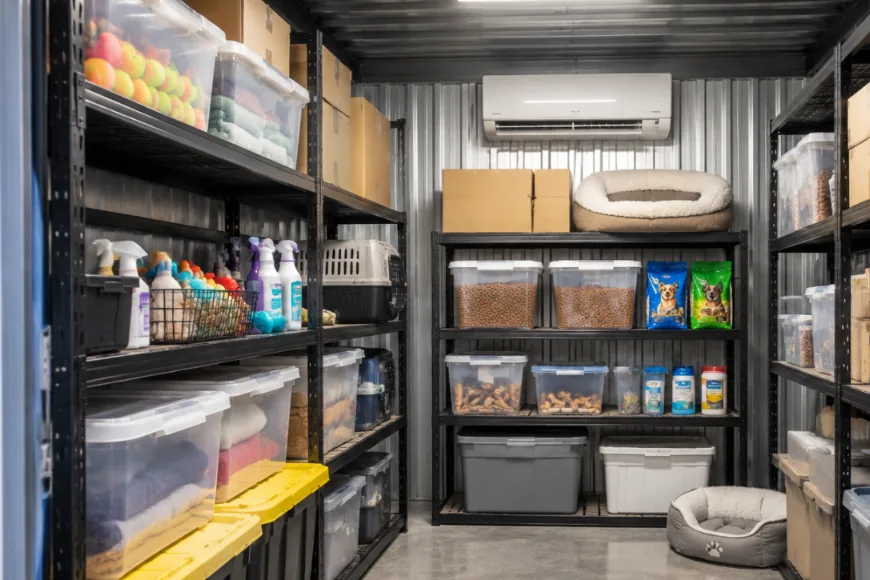
If your facility allows it and you have no other option, reduce the risks:
- Choose a climate-controlled unit.
- Store food in sealed, airtight, pest-resistant containers.
- Keep containers off the floor on shelving.
- Store only unopened bags within their best-by dates.
- Visit regularly to check for pests, moisture and damage.
- Keep it short-term only.
Never store opened food or wet food in a storage unit.
How to Store Pet Food Safely at Home
Dry Food (Kibble)
- Keep it in the original bag. The bag is designed to protect the food and shows the lot number and best-by date, which matter if there is ever a recall.
- Place the bag inside an airtight container. This adds a barrier against pests and air.
- Store in a cool, dry place, away from sunlight, ovens and heaters.
- Close the bag tightly after each use.
- Wash and dry the container between bags, as leftover fats can turn rancid.
- Use within the recommended time after opening, often around six weeks for many brands; check the label.
Wet Food (Cans and Pouches)
- Store unopened cans in a cool, dry cupboard.
- Refrigerate opened cans in a covered container and use within the time the label suggests, often a few days.
- Throw away wet food left out at room temperature for more than a few hours.
Treats and Raw Food
- Keep treats sealed and check dates.
- Store raw or fresh foods in the fridge or freezer according to the label, and handle them hygienically.
Pet Food Storage Quick Guide
| Food type | Best storage | Watch for |
|---|---|---|
| Dry kibble | Original bag inside an airtight container, cool and dry | Rancid smell, mold, pests |
| Unopened cans | Cool, dry cupboard | Dents, rust, bulging |
| Opened wet food | Covered in the fridge | Color or smell changes |
| Raw or fresh food | Fridge or freezer as labeled | Thawing, spoilage |
| Treats | Sealed bag or jar | Moisture, mold |
Signs Pet Food Has Gone Bad
- Sour, stale or rancid smell
- Visible mold or clumping
- Insects or droppings in the food
- Unusual color
- Your pet refusing food it normally eats
If you suspect spoiled food, throw it away. If your pet becomes ill after eating, call your vet.
Smart Alternatives to Storage Units
- Buy smaller bags more often.
- Use pet food delivery subscriptions that ship on a schedule.
- Store food in a cool garage or basement only if it stays dry and pest-free.
- Share bulk purchases with a friend.
If you are choosing a food in the first place, our dog food advisor guide can help.
Storing Pet Food in a Storage Unit While Moving
Moving is one of the most common reasons people ask “can you store pet food in a storage unit?” Here is a safer plan:
Before the Move
- Use up opened bags and cans.
- Buy only enough food for the moving period.
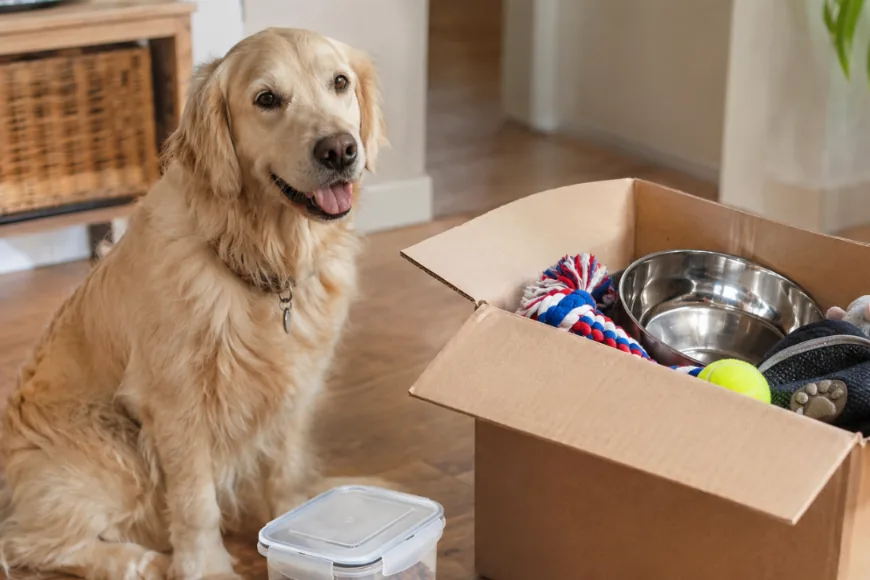
- Pack a “pet box” with food, bowls, medicine and treats that travels with you, not in storage.
During the Move
- Keep food in its original bag inside an airtight container.
- Do not leave food in a hot car or moving truck for long periods.
After the Move
- Check food for damage, pests or moisture before feeding.
- Set up a cool, dry storage spot in your new home.
Pet Food in Self Storage for Rescues or Businesses
Animal rescues and pet businesses sometimes need extra storage. They should use climate-controlled spaces, pest-proof containers and regular checks.
Helpful Resources
More guides from Pet Guide Nest:
Trusted outside sources:
Frequently Asked Questions
Can you store pet food in a storage unit?
Many storage facilities do not allow it, and it risks pests, heat damage and mold. Storing food at home is safer.
How long does dry dog food last after opening?
Many brands recommend using it within about six weeks of opening. Check your food’s label.
Should I keep kibble in the original bag?
Yes. Keeping kibble in its bag inside an airtight container protects freshness and keeps the lot number for recalls.
Can pet food go bad in a hot garage?
Yes. Heat and humidity can make fats go rancid and encourage mold. Store food somewhere cool and dry.
Final Thoughts
Can you store pet food in a storage unit? Usually, it is best not to. Pests, heat and moisture can spoil food, and many facilities forbid it. Keep pet food at home in a cool, dry place, in its original bag inside an airtight container, and buy amounts you can use before they go stale.

Maren Ashcroft
Maren Ashcroft writes the care guides at Pet Guide Nest. She has grown up around dogs, cats, and rabbits and loves learning about the more unusual pets too. She turns vet and animal welfare research into simple, practical advice for everyday pet owners.