

Eyes are delicate, and problems can get worse quickly. Knowing the common dog eye problems helps you spot trouble early, describe it clearly to your vet and avoid waiting too long when something is serious.
This guide covers the symptoms to watch for, the most frequent conditions and when an eye problem is an emergency.
Symptoms of Dog Eye Problems
Contact your vet if you notice any of these signs:
- Redness of the eye or eyelids
- Squinting or holding one eye closed
- Rubbing or pawing at the face
- Discharge that is yellow, green or thick
- Excessive tearing or tear staining
- Cloudiness or a blue tint to the eye
- A visible third eyelid or a red lump in the corner
- Bumping into things or seeming unsure in dim light
- One eye that looks bigger, bulging or different in color
Common Dog Eye Problems Explained
Conjunctivitis
Conjunctivitis is inflammation of the pink tissue around the eye. It causes redness, swelling and discharge. Causes include allergies, irritants, infections and other underlying eye problems.
Corneal Ulcers
A corneal ulcer is a scratch or wound on the clear front surface of the eye. Dogs usually squint, tear and rub the eye. Ulcers can become serious quickly, so prompt vet care is important. Flat-faced breeds are at higher risk because their eyes are more exposed.
Dry Eye (Keratoconjunctivitis Sicca)
With dry eye, the eye does not make enough tears. Signs include thick, sticky discharge, a dull-looking eye and frequent infections. It is often a long-term condition that needs ongoing treatment from your vet.
Cherry Eye
Cherry eye happens when a gland in the third eyelid pops out, creating a red, round swelling in the inner corner of the eye. It is common in some breeds, such as bulldogs and beagles. A vet will recommend the best treatment, which is often surgery to reposition the gland.
Entropion and Ectropion
Entropion is when the eyelid rolls inward and the lashes rub the eye. Ectropion is when the eyelid droops outward. Both can cause irritation and infections. Breeds with loose facial skin are more often affected.
Cataracts
A cataract is clouding of the lens inside the eye. It can affect vision and may lead to blindness if it progresses. Cataracts can be inherited, linked to diabetes or related to age.
Nuclear Sclerosis
Many older dogs develop a bluish-gray haze in their eyes. This is often nuclear sclerosis, a normal aging change that usually does not affect vision much. Your vet can tell it apart from cataracts. Read more about caring for older dogs in our aging dog care guide.
Glaucoma
Glaucoma is increased pressure inside the eye. It is painful and can cause blindness quickly. Signs include a red eye, cloudiness, a bulging eye and obvious pain. Glaucoma is an emergency.
Causes of Dog Eye Problems
| Cause | Examples |
|---|---|
| Injury | Scratches from plants, play or fights |
| Infection | Bacterial or viral infections |
| Allergies | Seasonal pollen, dust, environmental allergens |
| Genetics and breed | Eyelid shape, inherited cataracts, cherry eye |
| Age | Nuclear sclerosis, cataracts |
| Other illness | Diabetes, high blood pressure, immune conditions |
Breeds Prone to Common Dog Eye Problems
Some breeds are more likely to develop common dog eye problems because of their face shape or genetics:
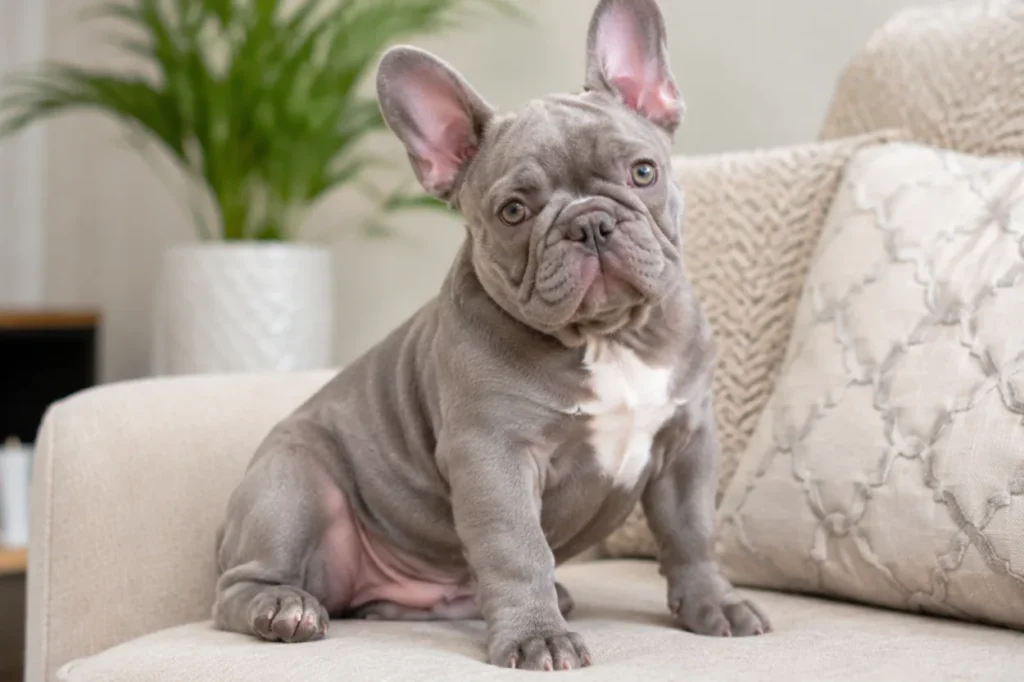
- Flat-faced breeds such as pugs, French bulldogs and shih tzus have prominent eyes that are easier to injure and dry out.
- Breeds with loose facial skin such as bloodhounds and some mastiffs are more prone to eyelid problems.
- Several breeds carry inherited conditions such as cataracts or progressive retinal atrophy.
If you have one of these breeds, ask your vet to check the eyes at every visit. Breeders should screen parent dogs for inherited eye disease.
When a Dog Eye Problem Is an Emergency
Go to your vet or an emergency clinic straight away if:
- Your dog suddenly cannot see
- The eye is bulging or looks out of place
- There is a visible injury or object in the eye
- Your dog is in obvious pain and will not open the eye
- The eye turns very red and cloudy within hours
- Chemicals got into the eye (rinse gently with clean water while you call the vet)
Caring for Your Dog’s Eyes at Home
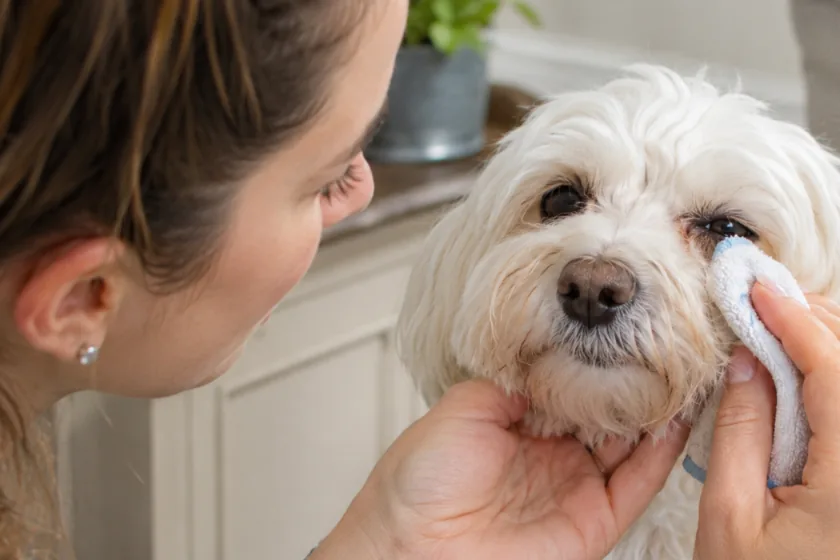
- Gently wipe away discharge with a clean, damp cotton pad, using a fresh one for each eye.
- Keep long hair around the eyes trimmed or tied back.
- Do not let your dog hang its head out of a moving car window.
- Never use human eye drops unless your vet tells you to.
- Use an e-collar if your vet recommends it to stop rubbing.

How a Vet Diagnoses Eye Problems
Your vet will examine the eye and may do simple tests, such as a stain test to look for ulcers, a tear test for dry eye or a pressure test for glaucoma. Some cases are referred to a veterinary ophthalmologist.
Note: This article is for general information only and is not a substitute for advice from a qualified veterinarian. If your pet seems unwell or you are unsure, please contact your vet.
Helpful Resources
More guides from Pet Guide Nest:
Trusted outside sources:
- VCA Animal Hospitals pet health library
- American Veterinary Medical Association resources for pet owners
Frequently Asked Questions
Can dog eye problems go away on their own?
Some mild irritation clears up, but many dog eye problems get worse without treatment. If symptoms last more than a day, or your dog is in pain, see a vet.
Why is my dog’s eye red and watery?
Common causes include conjunctivitis, allergies, an injury or something in the eye. Your vet can find the cause and recommend treatment.
Are cloudy eyes in dogs always cataracts?
No. In older dogs, cloudiness is often nuclear sclerosis, a normal aging change. A vet exam can tell the difference.
Can I use human eye drops on my dog?
Do not use human eye drops unless your vet specifically recommends them. Some products can make certain eye problems worse.
Final Thoughts
The most common dog eye problems include conjunctivitis, corneal ulcers, dry eye, cherry eye, eyelid problems, cataracts and glaucoma. Watch for redness, squinting, discharge and cloudiness, and do not wait when your dog is in pain. Fast vet care protects your dog’s comfort and vision.

Maren Ashcroft
Maren Ashcroft writes the care guides at Pet Guide Nest. She has grown up around dogs, cats, and rabbits and loves learning about the more unusual pets too. She turns vet and animal welfare research into simple, practical advice for everyday pet owners.