
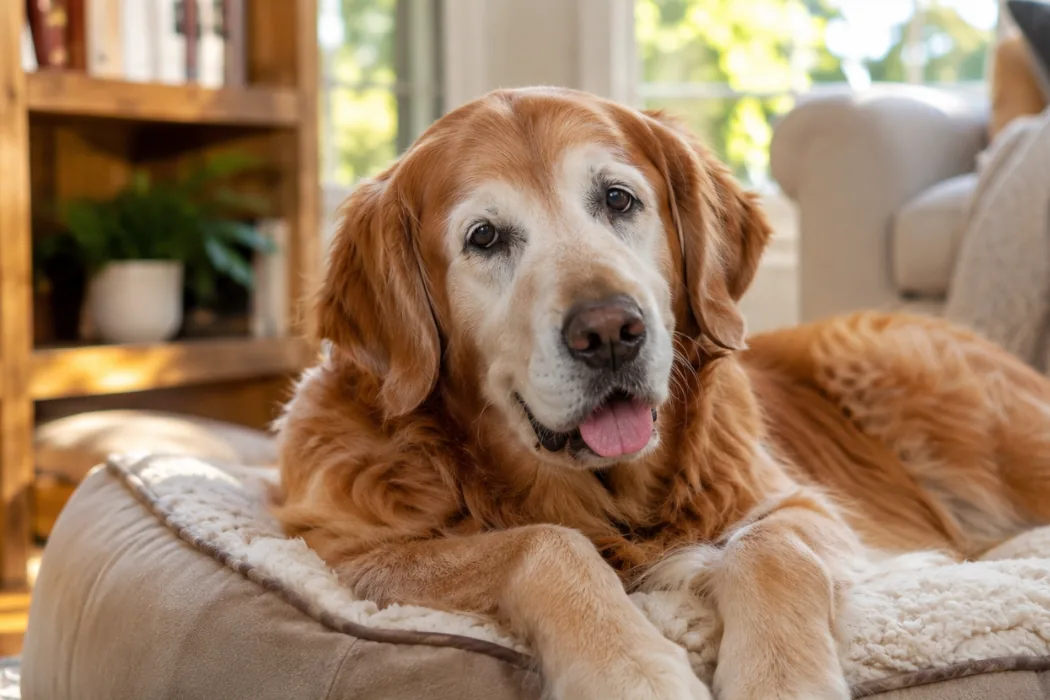
Watching your dog slow down can be bittersweet. The good news is that thoughtful aging dog care can keep an older dog comfortable, engaged and happy for years. Small changes at home, a slightly different routine and closer health checks make a real difference.
This guide explains when a dog becomes a senior, what changes to expect and how to support your dog through every stage of getting older.
When Does a Dog Become a Senior?
There is no single age. Size matters most:
- Small breeds often reach their senior years around 8 to 10.
- Medium and large breeds are usually considered senior around 7 to 8.
- Giant breeds may be seniors as early as 5 or 6.
A useful rule is that a dog enters its senior stage in roughly the last quarter of its expected lifespan. Your vet can tell you where your dog sits.
Common Changes in Older Dogs
Aging affects every dog differently, but these changes are common:
- Stiffness when getting up, especially in the morning
- Less interest in long walks
- Weight gain, or weight loss in some dogs
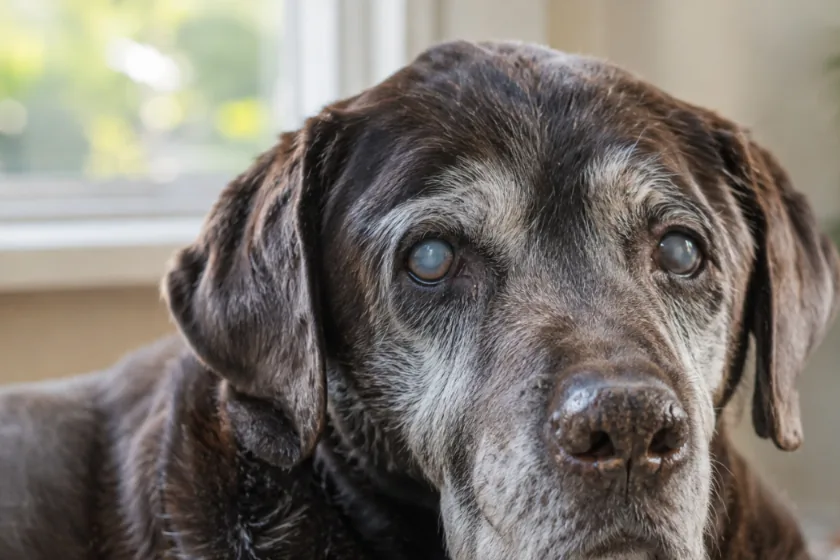
- Cloudy-looking eyes or reduced hearing
- Dental problems and bad breath
- Changes in sleep, such as restlessness at night
- Confusion, staring at walls or getting “stuck” in corners
Some of these are normal aging. Others can point to treatable problems, so always mention new changes to your vet.
Aging Dog Care at Home
Make the House Easier to Move Around
Slippery floors are hard on stiff joints. Add rugs or runners where your dog walks most. Use ramps or pet stairs for the car, sofa or bed. Keep food, water and bedding on one level if stairs are difficult.
Choose Supportive Bedding
An orthopedic or memory-foam bed cushions sore joints. Place it in a warm, draft-free spot where your dog can still see the family.
Keep a Predictable Routine
Older dogs, especially those with hearing or vision loss, feel safer with routine. Feed, walk and settle for bed at similar times each day. Avoid moving furniture around.
Aging Dog Care for Teeth and Gums
Dental disease is very common in older dogs and can cause pain, bad breath and a poor appetite. Make tooth brushing part of your aging dog care routine, using a dog toothpaste and a soft brush. Dental chews may help some dogs. Ask your vet whether a professional dental cleaning is needed, and how they keep anesthesia as safe as possible for seniors.
Good aging dog care also includes regular grooming. Brushing helps you spot lumps, skin changes and sore areas early.
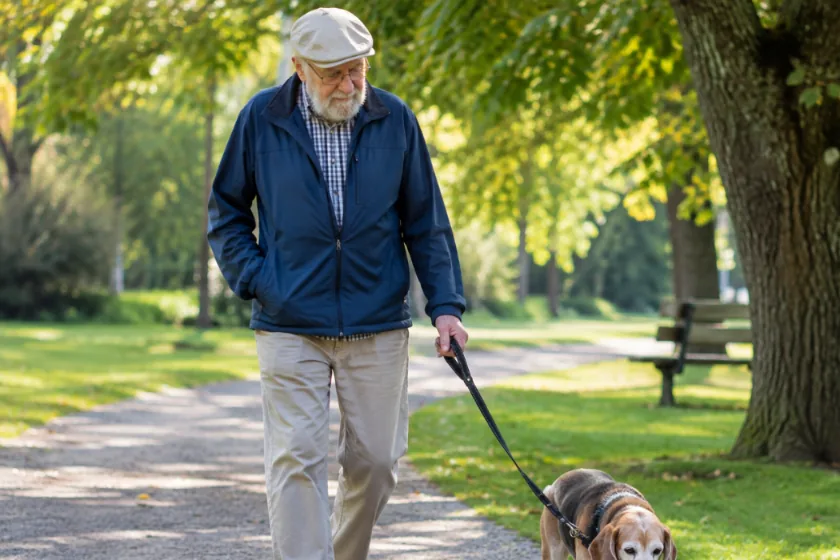
Exercise for Senior Dogs
Exercise is still essential. It keeps muscles strong, joints moving and weight under control.
- Swap one long walk for two or three shorter ones.
- Choose soft surfaces like grass when you can.
- Try gentle swimming if your vet approves it.
- Watch for limping, heavy panting or lagging behind, and stop early.
Mental exercise matters as much as physical activity. Puzzle feeders, sniff walks and easy training games help keep an aging brain sharp.
Diet and Weight in Aging Dog Care
Many older dogs need fewer calories because they move less. Extra weight puts more strain on joints and organs. Others lose weight because of dental pain or illness.
Ask your vet:
- Whether a senior or joint-support diet suits your dog
- How many calories your dog actually needs
- Whether supplements such as omega-3 fatty acids could help
- How to adjust food if your dog has kidney, heart or other conditions
Weigh your dog every month or two so you notice changes early.
Vet Care for Older Dogs
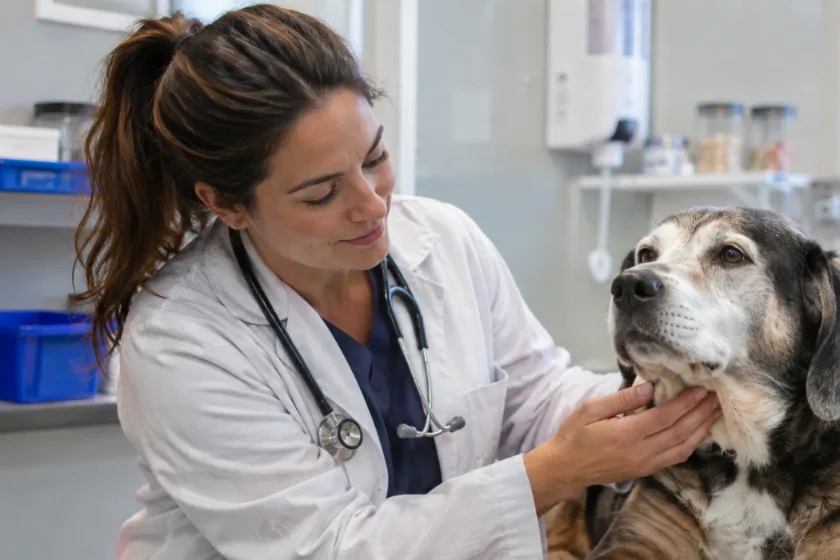
Senior dogs benefit from more frequent checkups. Many vets recommend a wellness visit about every six months, because problems can develop quickly in older animals.
These visits may include:
- Blood and urine tests
- Blood pressure checks
- Dental exams
- Checks for lumps and bumps
- Pain and mobility assessments
Signs That Need a Vet Visit Soon
| Sign | Why it matters |
|---|---|
| Drinking or urinating much more than usual | Can be linked to kidney disease, diabetes or other conditions |
| Sudden weight loss or loss of appetite | May signal pain, dental disease or illness |
| New lumps or lumps that change | Should be checked rather than watched |
| Coughing or getting tired very quickly | Can relate to heart or lung problems |
| Confusion or anxiety at night | May be canine cognitive dysfunction |
| Limping or reluctance to move | Often caused by arthritis pain, which can be treated |
Supporting Your Senior Dog Emotionally
Older dogs still want to be part of family life. Keep including them on short outings, car rides and quiet play. Gentle grooming sessions are a lovely way to bond and to check for skin changes at the same time.
If you bring a younger pet home, make sure your older dog has a quiet space to rest. Our guide on how to introduce a new dog to your dog explains how to do this calmly.
Note: This article is for general information only and is not a substitute for advice from a qualified veterinarian. If your pet seems unwell or you are unsure, please contact your vet.
Helpful Resources
More guides from Pet Guide Nest:
- Common Dog Eye Problems
- Frito Feet in Dogs
- Dogs With Down Syndrome
- Nikki’s Gift: A Dog Adoption Story
Trusted outside sources:
- VCA Animal Hospitals pet health library
- American Veterinary Medical Association resources for pet owners
Frequently Asked Questions
At what age should I start senior dog care?
Start talking to your vet about senior care around age 7 for most dogs, earlier for giant breeds and a little later for small breeds.
How often should an older dog see the vet?
Many vets suggest a checkup about every six months for senior dogs, so changes are caught early.
Is it normal for an old dog to sleep more?
Yes, older dogs often sleep more. Sudden changes in sleep, restlessness at night or confusion should still be checked by a vet.
Can arthritis in older dogs be treated?
Arthritis cannot be cured, but pain can often be managed with weight control, gentle exercise, home changes and treatment prescribed by your vet.
Final Thoughts
Good aging dog care is about comfort, routine and paying close attention. Adjust exercise and diet, make your home easier to move around and keep up with regular vet visits. With these steps, your senior dog can enjoy their later years feeling safe, loved and as comfortable as possible.

Maren Ashcroft
Maren Ashcroft writes the care guides at Pet Guide Nest. She has grown up around dogs, cats, and rabbits and loves learning about the more unusual pets too. She turns vet and animal welfare research into simple, practical advice for everyday pet owners.