

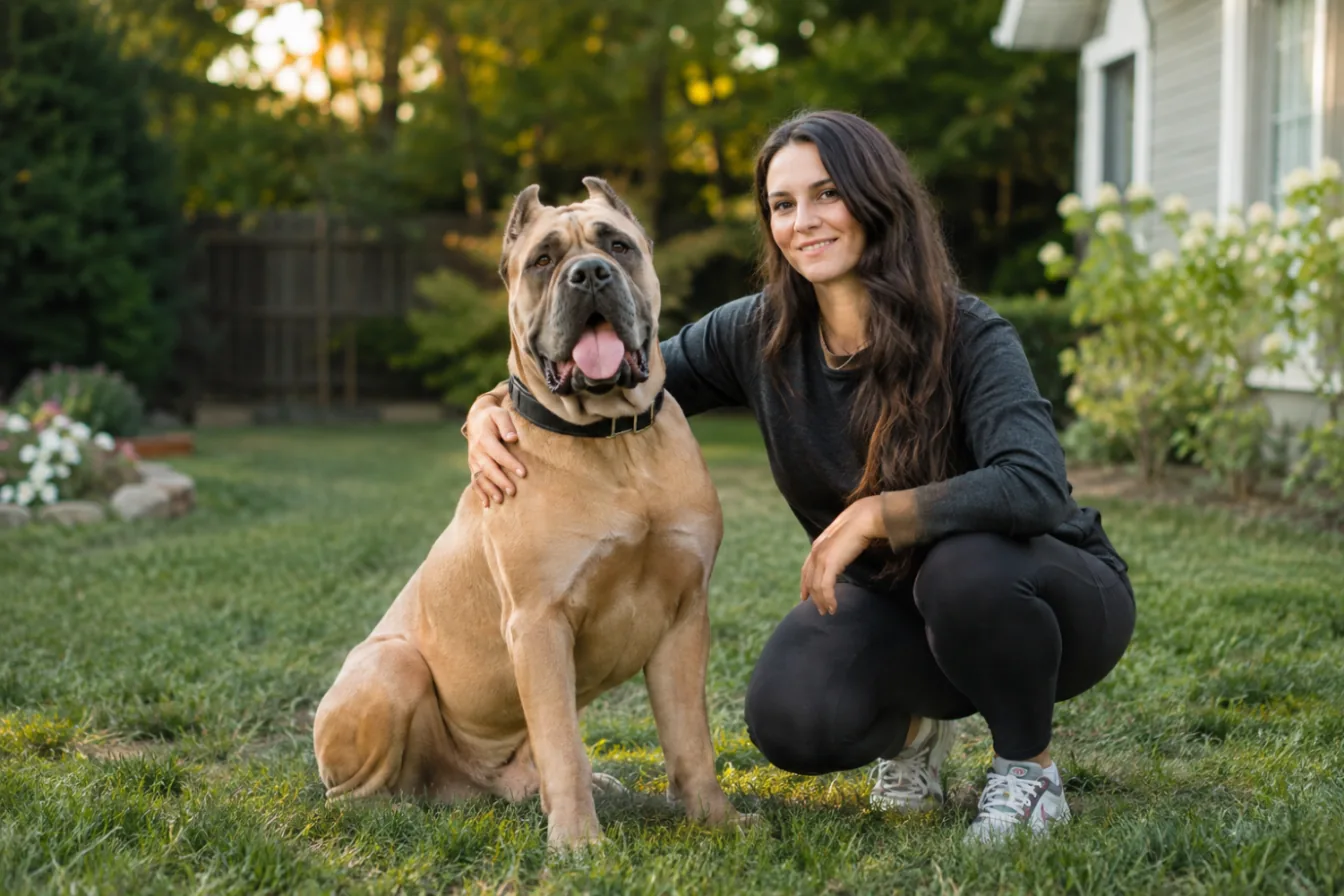
A cane corso is calm, loyal and impressive, but it is also a powerful guardian breed that needs a confident owner. If you are bringing one home, good cane corso care from day one makes the difference between a well-mannered companion and a strong dog that is hard to manage.
This guide covers 10 essential tips on training, exercise, feeding, grooming and health. It is written for first-time owners, but experienced dog people will find useful reminders too.
What Makes Cane Corso Care Different?
The cane corso is an Italian mastiff-type breed originally used to guard property and livestock. The American Kennel Club describes adult males as roughly 25 to 27.5 inches tall at the shoulder, with weight in proportion to height, and a typical lifespan of about 9 to 12 years.
That size and history shape everything about caring for a cane corso:
- They are naturally protective and wary of strangers.
- They are strong enough to pull an adult off balance.
- They grow fast, so joints need care during puppyhood.
- They bond deeply with their family and do not like being left out.

10 Cane Corso Care Tips for New Owners
1. Start Socialization Early
Socialization is the single most important part of cane corso care. Between roughly 8 and 16 weeks, let your puppy calmly meet different people, sounds, surfaces and well-behaved dogs. Keep every experience short and positive.
A well-socialized corso can tell the difference between a real threat and an ordinary visitor.
2. Use Reward-Based Training
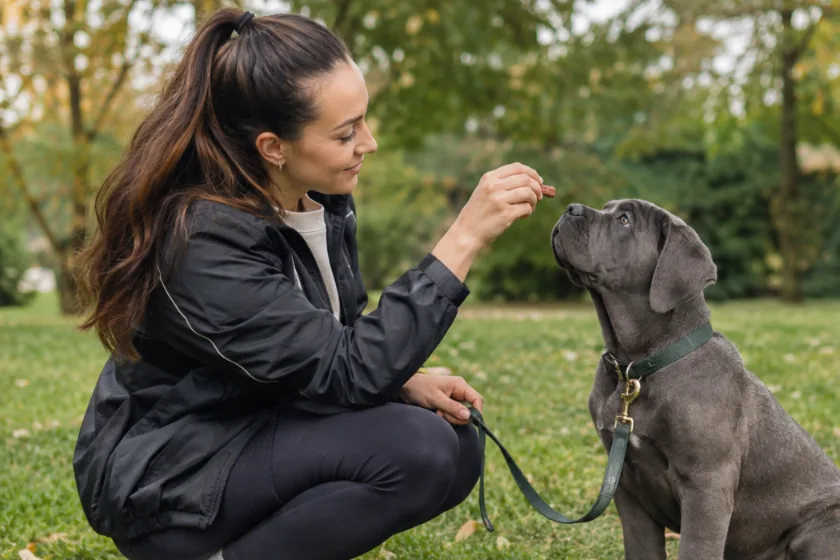
Corsos are intelligent and sensitive to tone. Harsh corrections can create fear or defensiveness in a guarding breed. Instead, reward the behavior you want with food, play and praise.
Focus on these basics first:
- Sit, down and stay
- Loose-leash walking
- A reliable recall
- “Leave it” and “drop it”
- Calm greetings at the door
A group class with a qualified, reward-based trainer is a smart investment.
3. Give Daily Exercise and a Job
A bored cane corso can become destructive. Most adults do well with at least one longer walk plus play every day. Mental work matters just as much: scent games, puzzle feeders and short training sessions tire them out.
4. Protect Growing Joints
Large breeds are prone to joint problems such as hip and elbow dysplasia. During the first year or so, avoid forced running, repeated jumping and long stair sessions. Ask your vet when it is safe to increase activity.
5. Feed a Large-Breed Formula
Puppies should eat a food labeled for large-breed growth, which helps control the speed of growth. Adults need a complete and balanced diet sized to their weight and activity. Keep your dog lean, because extra weight adds stress to hips and elbows.
6. Know the Signs of Bloat
Deep-chested breeds have a higher risk of gastric dilatation-volvulus (GDV), often called bloat. It is a life-threatening emergency.
Watch for:
- A swollen, tight belly
- Retching without bringing anything up
- Restlessness and drooling
- Weakness or collapse
Go to an emergency vet immediately if you see these signs. Splitting food into two meals and avoiding hard exercise right after eating are commonly recommended precautions. Ask your vet whether a preventive surgery (gastropexy) makes sense for your dog.
7. Keep Up With Grooming
The short, dense coat is easy to maintain. Brush weekly, and more often during seasonal shedding. Bathe only when needed.
Also check:
- Nails every two to three weeks
- Ears weekly for redness or odor
- Teeth daily or several times a week
- Eyelids, as some corsos have eyelid problems such as entropion or ectropion
8. Plan Vet Checkups and Health Screening
Schedule regular wellness exams and keep vaccines and parasite prevention up to date. If you are buying a puppy, ask the breeder for health testing results for both parents, especially hips and elbows.
9. Manage Your Corso Around Guests
Even friendly corsos can be overwhelming at the door. Teach a “place” command and use a leash or baby gate when visitors arrive. Never leave a cane corso alone with unfamiliar children or guests.
10. Budget for Cane Corso Care
Everything costs more for a giant dog: food, beds, crates, medication doses and boarding. Plan for these costs before you commit, and consider pet insurance or an emergency fund.
Caring for a Cane Corso at Every Life Stage
| Life stage | Main focus |
|---|---|
| Puppy (up to about 12 months) | Socialization, house training, gentle exercise, large-breed puppy food |
| Adolescent (1–2 years) | Consistent training, impulse control, steady leash manners |
| Adult | Daily exercise, weight control, regular vet checks |
| Senior | Joint comfort, softer bedding, more frequent vet visits |

Common Cane Corso Care Mistakes
- Skipping socialization because the puppy “seems friendly”
- Relying on punishment instead of rewards
- Letting a puppy pull on the leash because it is still small
- Overfeeding, especially treats
- Leaving the dog alone in the yard for long periods
Note: This article is for general information only and is not a substitute for advice from a qualified veterinarian. If your pet seems unwell or you are unsure, please contact your vet.
Helpful Resources
More guides from Pet Guide Nest:
- American Bulldog vs Pitbull
- Most Expensive Dog Breeds
- Australian Shepherd Pros and Cons
- Purple Birds: 8 Stunning Species You Should Know
Trusted outside sources:
Frequently Asked Questions
Is a cane corso good for first-time owners?
A cane corso can work for a committed first-time owner who invests in training, socialization and professional guidance. For most beginners, though, a smaller and less protective breed is easier.
How much exercise does a cane corso need?
Most adults need daily walks plus play and mental exercise. Puppies need shorter, gentler sessions to protect their developing joints.
Do cane corsos shed?
Yes. They shed moderately year-round and more heavily in spring and fall. Weekly brushing keeps loose hair under control.
How long do cane corsos live?
The typical lifespan is about 9 to 12 years. Good weight control, regular vet care and safe exercise all help.
Final Thoughts
Good cane corso care comes down to early socialization, reward-based training, daily exercise and steady health checks. Give this loyal guardian structure and companionship, and you will have a calm, devoted family dog. If you are still deciding on a breed, compare temperament and needs with our guide to the healthiest dog breeds.

Maren Ashcroft
Maren Ashcroft writes the care guides at Pet Guide Nest. She has grown up around dogs, cats, and rabbits and loves learning about the more unusual pets too. She turns vet and animal welfare research into simple, practical advice for everyday pet owners.