

It sounds like a joke, but it is a real legal question: can you get a DUI on a horse? Some people assume that riding a horse home after drinking is a safe alternative to driving. In reality, the answer depends on where you live, and riding under the influence can lead to criminal charges, injuries and harm to the horse.
This guide explains how laws approach horseback riding and DUI, why rules vary by state and what responsible riders should know. It is general information, not legal advice.
Can You Get a DUI on a Horse? The Short Answer
It depends on your state’s laws. In the United States, DUI (driving under the influence) and DWI (driving while intoxicated) laws are set at the state level. The key question is usually how a state defines a “vehicle.”
- In some states, the legal definition of a vehicle is broad enough that courts or prosecutors have applied DUI laws to people riding animals.
- In other states, DUI laws cover only motor vehicles, so they do not apply to horses.
- Some states have specific rules about animals on public roads.
Because definitions and court decisions differ, the same behavior can be treated very differently from one state to another.

Other Charges You Could Face
Even where DUI laws do not apply to horses, riding drunk on a public road can lead to other charges, such as:
- Public intoxication
- Reckless endangerment
- Disorderly conduct
- Animal cruelty or neglect, if the horse is put in danger
- Traffic violations, because riders on roads often must follow traffic rules
Why Riding a Horse Under the Influence Is Dangerous
For the Rider
Alcohol affects balance, reaction time and judgment. Horses are large, powerful animals, and a fall can cause serious injuries, including head and spinal injuries.
For the Horse
An impaired rider may give confusing signals, ride into traffic or push the horse in unsafe conditions. Horses can be injured or killed in road accidents.
For Other People
A frightened horse can bolt into traffic, pedestrians or other animals. Drivers may not expect a horse, especially at night.
Horseback Riding DUI: What Riders Should Know
| Situation | What to keep in mind |
|---|---|
| Riding on public roads | Many states expect riders to follow traffic laws |
| Riding at night | Visibility is low; reflective gear and lights help |
| Drinking at events | Plan for a sober rider or leave the horse at the venue |
| Trail rides | Parks and trail systems may have their own rules on alcohol |
| Horse-drawn carriages | Some states treat carriages differently from riding |
Riding a Horse Under the Influence vs Driving
Some people think a horse will “find its way home.” While horses do have a strong homing instinct, they can still be startled, injured or confused by traffic and darkness. Relying on a horse to make safe decisions is not a responsible plan, for you or the animal.

How to Stay Safe and Legal
- Do not ride after drinking. Treat riding like driving.
- Plan ahead: If you are going to an event, arrange a sober rider, transport or safe stabling.
- Wear a helmet every time you ride.
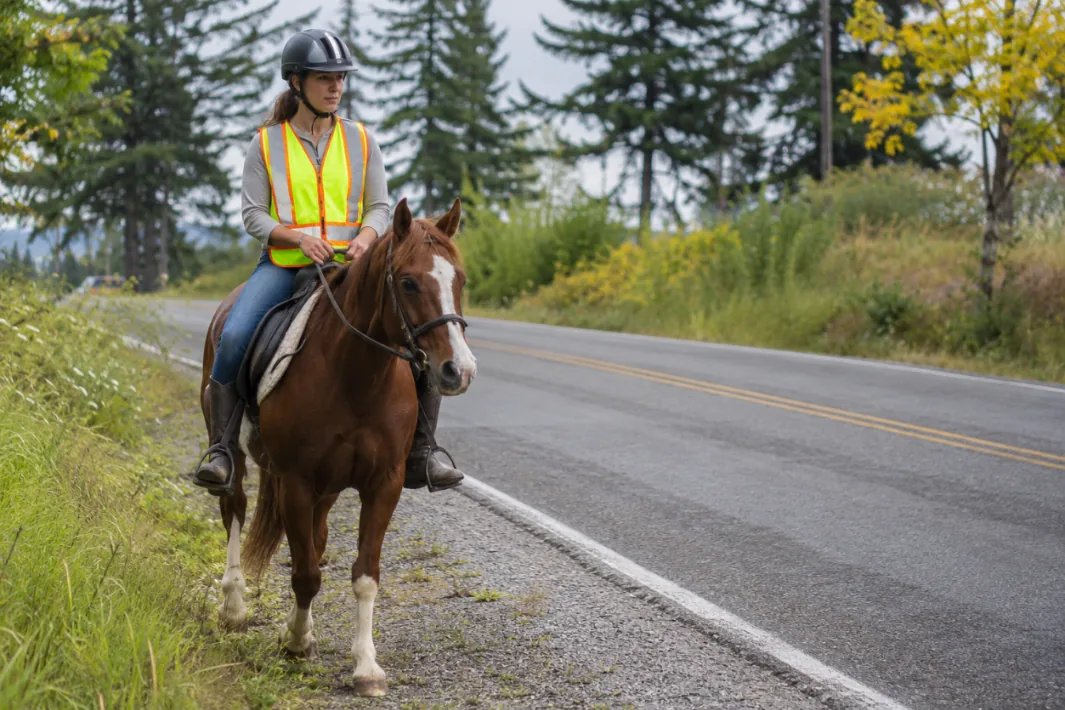
- Use reflective gear and lights if riding near roads in low light.
- Know your local laws: Check your state’s traffic and DUI statutes, or ask a local attorney.
- Follow trail and park rules, which may restrict alcohol.
What About Horse-Drawn Vehicles?
Carriages and buggies may be treated differently from riding, because they are more likely to fit a state’s definition of a vehicle. Some communities that use horse-drawn transport have specific local rules. Always check the laws that apply where you live.
Can You Get a DUI on a Horse Outside the US?
Laws differ around the world. In some countries, being drunk in charge of a horse or carriage on a public road can be an offence. If you ride while traveling, check local laws before you go.
Learning to Ride Safely
If you are new to riding, take lessons from a qualified instructor and learn road safety. Our guide on whether horse riding lessons are easy explains what beginners can expect.
Responsible Riding at Events and Parades
Horses are often part of rodeos, parades, festivals and trail events where alcohol may be served.
- Choose a designated sober rider for each horse.
- Stable horses safely if you plan to drink.
- Follow event rules, which often prohibit riding under the influence.
- Watch the horse’s stress levels in crowds and noise.
- Plan transport home before the event starts.
Thinking ahead protects you, your horse and everyone around you.
Helpful Resources
More guides from Pet Guide Nest:
- Horse Mating Explained: Seasons, Behavior and Facts
- Are People Still Horseback Riding in 2026? Today’s Trends
- Black Mustang Horse: Traits, History and Facts
Trusted outside sources:
Frequently Asked Questions
Can you get a DUI on a horse in the US?
Possibly. It depends on whether your state’s DUI law defines a horse as a vehicle. Even where it does not, other charges may apply.
Is it illegal to ride a horse drunk?
In many places, riding drunk on public roads can lead to charges such as public intoxication or reckless endangerment, even if DUI laws do not apply.
Can a horse be taken away if I ride it drunk?
If a horse is put in danger, animal welfare laws may apply. Outcomes depend on local laws and the situation.
What should I do if I have been drinking and have my horse with me?
Do not ride. Arrange a sober rider, safe stabling or transport for the horse.
Final Thoughts
So, can you get a DUI on a horse? In some states, yes, and in many places riding drunk can still lead to other charges. More importantly, it puts you, your horse and others at risk. Treat riding like driving: if you drink, do not ride. Check your local laws or speak to an attorney for advice about your situation. For more guides like this, explore our Horses articles.

Maren Ashcroft
Maren Ashcroft writes the care guides at Pet Guide Nest. She has grown up around dogs, cats, and rabbits and loves learning about the more unusual pets too. She turns vet and animal welfare research into simple, practical advice for everyday pet owners.