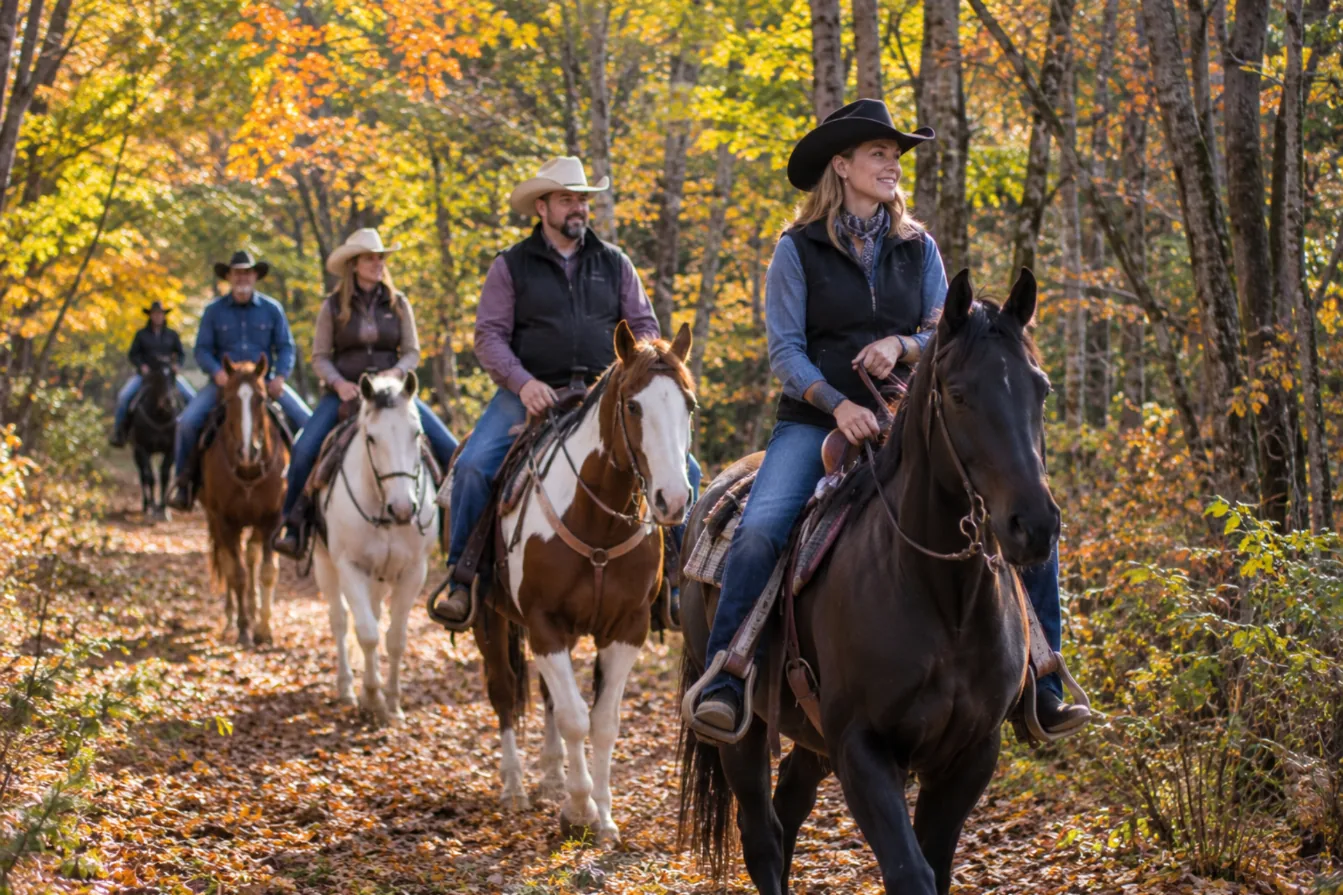
Cars replaced horses as everyday transport more than a century ago, so it is fair to ask: are people still horseback riding today? The answer is yes. Horseback riding remains a popular sport, hobby and therapy activity around the world, and many new riders discover it every year.
This guide looks at how people ride in 2026, popular riding styles, trends, costs and how to start.
Are People Still Horseback Riding in 2026?
Yes. While fewer people rely on horses for work or transport, millions of people still ride for fun, sport, competition, work and wellbeing. Riding schools, trail centers, pony clubs and equestrian events continue to attract riders of all ages.
Exact numbers vary by country and source, but horseback riding remains a well-established activity with a strong community.
Why People Still Love Horseback Riding
- Connection with animals: Building a partnership with a horse is deeply rewarding.
- Time outdoors: Trail riding offers fresh air and scenery.
- Fitness: Riding builds core strength, balance and coordination.
- Mental wellbeing: Many riders say time with horses helps them relax.
- Community: Barns, clubs and events create friendships.
- Competition: Riders enjoy goals, from local shows to international events.
Popular Ways People Ride Today
| Riding style | What it involves |
|---|---|
| Trail riding | Riding on paths, forests and countryside for pleasure |
| English riding | Includes dressage, show jumping and eventing |
| Western riding | Includes pleasure riding, reining, barrel racing and ranch work |
| Endurance riding | Long-distance rides over varied terrain |
| Therapeutic riding | Riding programs supporting physical and emotional goals |
| Pony clubs and youth programs | Lessons and activities for children |
| Working ranches | Riding as part of livestock work |
Horseback Riding Trends in 2026
Adult Beginners
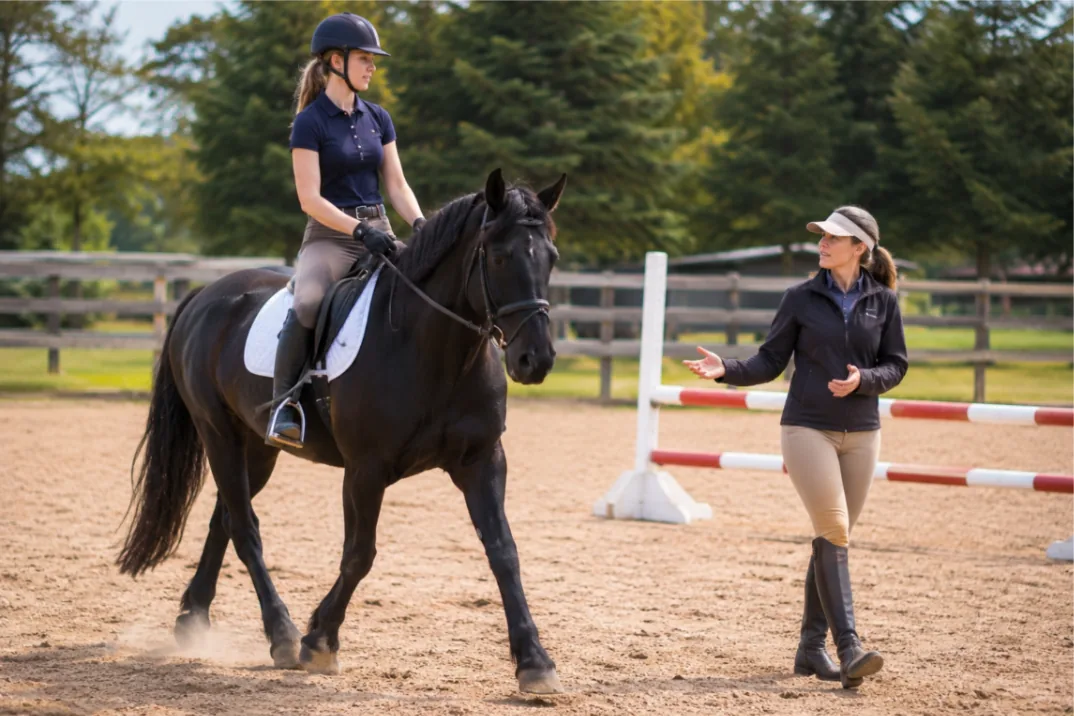
More adults are starting to ride later in life, often after childhood dreams of owning a horse. Many riding schools now offer adult-only beginner classes.
Trail and Vacation Riding
Trail rides at ranches, national parks and vacation destinations remain popular, especially for people who do not own horses.
Horse Sharing and Leasing
Owning a horse is expensive, so many riders lease or share a horse instead. This lets riders enjoy regular time in the saddle at a lower cost.
Focus on Horse Welfare
Riders, trainers and organizations are paying more attention to horse welfare, including saddle fit, training methods, nutrition and retirement care.
Equine-Assisted Activities
Therapeutic riding and equine-assisted programs continue to grow, helping people with physical, emotional and developmental needs.
Technology
Riders now use apps and wearable devices to track rides, plan training and connect with other riders.
Is Horseback Riding Expensive?
It can be, but there are ways to make it more affordable:
- Lessons: Group lessons are usually cheaper than private lessons.
- Leasing or sharing: Lower cost than full ownership.
- Trail rides: Pay per ride, with no long-term commitment.
- Volunteering: Some stables and therapy centers offer riding opportunities to volunteers.
Owning a horse involves ongoing costs for boarding, feed, hay, farrier care, vet care, tack and insurance.
How to Get Started With Horseback Riding Today
- Find a reputable riding school with qualified instructors.
- Book a beginner lesson to see if you enjoy it.
- Get the right gear: A properly fitted helmet and boots with a small heel.
- Ride regularly to build confidence and skill.
- Learn horse care: Grooming, feeding and basic health.
- Join a club or community to meet other riders.
Read our guide on whether horse riding lessons are easy to know what to expect from your first lessons.
Horseback Riding Today vs the Past
| Then | Now |
|---|---|
| Horses used for transport and farm work | Horses mainly ridden for sport, leisure and therapy |
| Riding learned at home or work | Riding learned through schools and clubs |
| Little focus on rider safety gear | Helmets and safety standards widely used |
| Horses kept mostly by farmers | Horses kept by hobby riders, competitors and programs |
Interested in horses with a wild history? Read our black mustang horse guide.

Are People Still Horseback Riding for Work?
Yes. While most riders today ride for fun or sport, horses are still used for work in some places:
- Ranch work: Moving and checking cattle in rough terrain.
- Mounted police: Crowd control and patrols in some cities.
- Park rangers and search teams: Accessing remote areas.
- Tourism: Guided trail rides and horse-drawn carriages.
So when people ask “are people still horseback riding?”, the answer includes both hobby riders and working riders keeping old traditions alive.
Helpful Resources
More guides from Pet Guide Nest:
- Can You Get a DUI on a Horse? Laws Explained
- Horse Mating Explained: Seasons, Behavior and Facts
- Mongoose Hawaii Guide: What They Eat and Their Impact on Wildlife
Trusted outside sources:
Frequently Asked Questions
Are people still horseback riding today?
Yes. Many people ride for leisure, sport, competition, work and therapy.
Is horseback riding popular with adults?
Yes. Many adults start riding as a hobby, and riding schools often offer adult beginner classes.
Is horseback riding a good workout?
Riding builds core strength, balance, coordination and leg strength, and caring for horses adds extra activity.
Can I ride without owning a horse?
Yes. Lessons, trail rides, leasing and horse sharing let you ride without full ownership.
Final Thoughts
So, are people still horseback riding? Absolutely. From trail rides and riding lessons to competitions and therapy programs, horses remain a big part of many people’s lives. If you have always wanted to ride, book a lesson at a reputable school and see where the journey takes you. For more guides like this, explore our Horses articles.

Maren Ashcroft
Maren Ashcroft writes the care guides at Pet Guide Nest. She has grown up around dogs, cats, and rabbits and loves learning about the more unusual pets too. She turns vet and animal welfare research into simple, practical advice for everyday pet owners.