
Horse mating can seem mysterious, especially for new horse owners. When do mares come into season? Why do stallions curl their lips? How long is a horse pregnancy? Understanding horse mating behavior helps owners keep horses safe, recognize normal signs and make responsible breeding decisions.
This guide explains horse mating seasons, behaviors and key facts in a clear, educational way.
Horse Mating Season
Horses are seasonal breeders. Mares usually come into season during spring and summer, when days are longer. Daylight triggers hormone changes that start regular heat cycles.
Key facts:
- Many mares cycle from about spring to early fall.
- In winter, many mares stop cycling (anestrus).
- Breeders sometimes use artificial lighting to start cycles earlier, under veterinary guidance.
This timing means most foals are born in spring, when grass and weather are best for their survival.
The Mare’s Heat Cycle
| Part of the cycle | Approximate length | What happens |
|---|---|---|
| Full cycle | About 21 days | Repeats through the breeding season |
| Estrus (heat) | About 5–7 days | Mare is receptive to the stallion |
| Diestrus | About 14–16 days | Mare is not receptive |
| Ovulation | Near the end of estrus | Best time for conception |
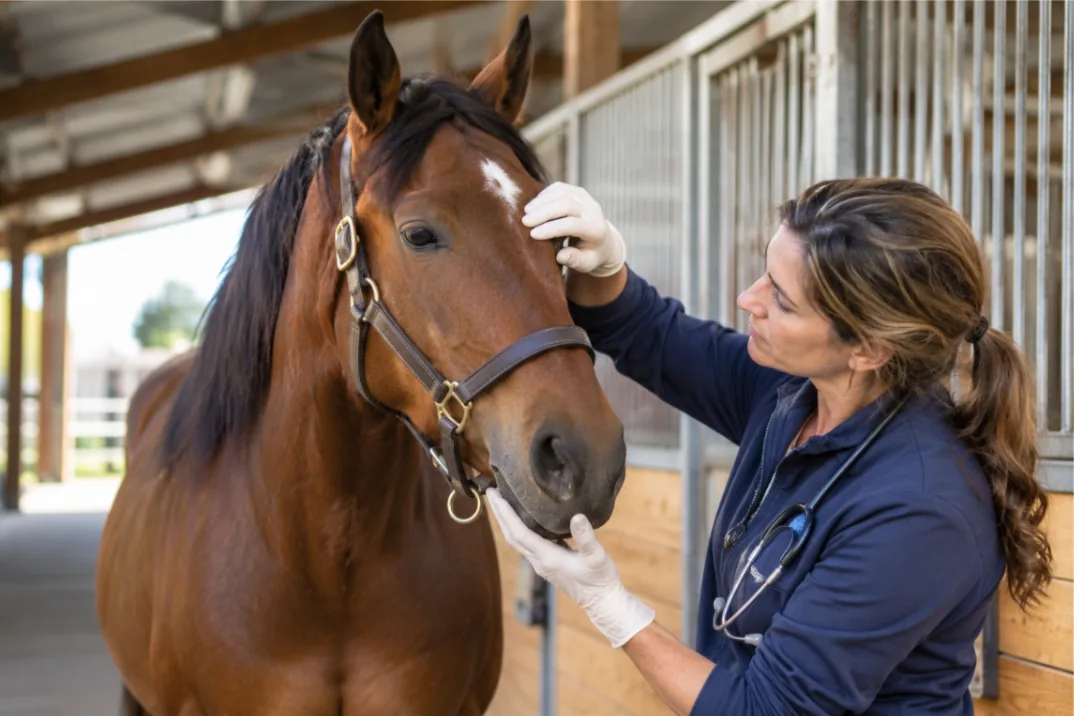
Every mare is different, and vets often use ultrasound to time breeding accurately.
Horse Mating Behavior: Signs a Mare Is in Heat
- Frequent urination in small amounts
- “Winking” (opening and closing the vulva)
- Raising the tail
- Leaning toward or calling to other horses
- Restlessness or mood changes
- Standing still and squatting when near a stallion
Horse Mating Facts: The Flehmen Response
One of the most noticeable stallion behaviors is the flehmen response. The stallion lifts his head, curls back his upper lip and appears to “smile.”
This helps draw scents, especially pheromones in a mare’s urine, toward a special organ in the nose called the vomeronasal organ. It helps the stallion detect whether a mare is in heat.
Mares and geldings sometimes show the flehmen response too, when they smell something new or interesting.
Why Horses Smell Before Mating
Smell plays a big role in horse communication. Before mating, stallions and mares often sniff each other’s heads, flanks and hindquarters. This helps the stallion judge whether the mare is receptive and helps the mare decide whether to accept him.
Natural Cover vs Artificial Insemination
Natural Cover
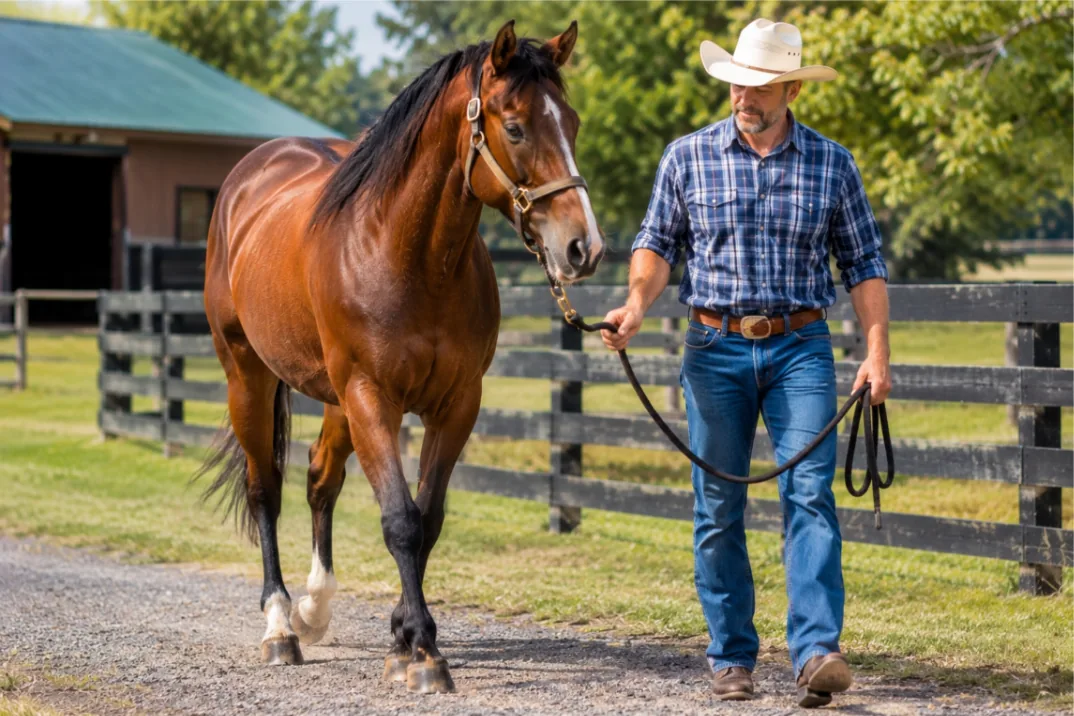
The stallion and mare mate directly. This can be in a pasture (“pasture breeding”) or in a controlled setting (“hand breeding”), where handlers manage both horses to reduce injury risk.
Artificial Insemination (AI)
Semen is collected from the stallion and placed in the mare by a vet or trained technician. AI is widely used because it:
- Reduces injury risk to horses and handlers
- Allows breeding over long distances
- Helps control disease transmission
Some breed registries have their own rules about AI.
Horse Pregnancy Basics
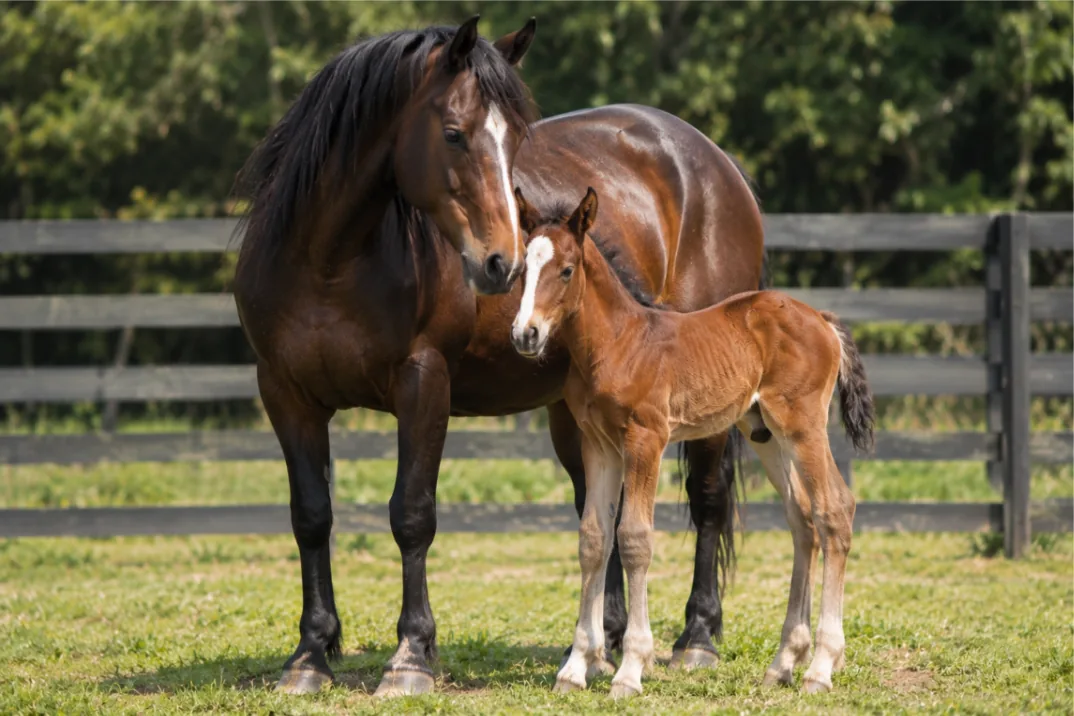
Horse pregnancy, called gestation, usually lasts around 11 months, often roughly 320 to 370 days. Mares usually have one foal. Twins are uncommon and can be risky, so vets often check early in pregnancy.
Safety Around Mating Horses
- Stallions can be powerful and unpredictable during breeding.
- Mares may kick if not receptive.
- Only experienced handlers should manage breeding.
- Use proper facilities and safety equipment.
Responsible Horse Breeding
Before breeding, consider:
- Purpose: Why breed? What kind of horse are you hoping to produce?
- Health: Have both horses checked by a vet, including genetic tests where relevant.
- Temperament and soundness: Breed horses with good conformation and temperament.
- Cost: Breeding fees, vet care, foaling and raising a young horse add up.
- Future: Can you care for, train or find a good home for the foal?
Many horses need homes, so think carefully before adding more. Learn about adoption options in our black mustang horse guide.
Caring for a Pregnant Mare
Nutrition
Most mares need extra nutrition in the last months of pregnancy, when the foal grows fastest. Ask your vet or an equine nutritionist for a feeding plan.
Exercise
Light exercise is usually fine for healthy pregnant mares, but follow your vet’s advice.
Vaccinations and Health Checks
Vets often recommend specific vaccines during pregnancy and regular checks to monitor the mare and foal.
Preparing for Foaling
Prepare a clean, spacious foaling stall or paddock, and have your vet’s emergency number ready. Many mares foal at night.
Note: This article is for general information only and is not a substitute for advice from a qualified veterinarian. If your pet seems unwell or you are unsure, please contact your vet.
Helpful Resources
More guides from Pet Guide Nest:
- Are People Still Horseback Riding in 2026? Today’s Trends
- Can You Get a DUI on a Horse? Laws Explained
- Are Horse Riding Lessons Easy? What Beginners Should Expect
- Friesian Horse Guide
Trusted outside sources:
Frequently Asked Questions
When is horse mating season?
Usually in spring and summer, when longer days trigger mares’ heat cycles.
How long is a mare in heat?
Usually about 5 to 7 days, as part of a cycle of roughly 21 days.
Why does a horse curl its lip?
That is the flehmen response. It helps the horse analyze scents, including pheromones.
How long are horses pregnant?
Around 11 months, often about 320 to 370 days.
Final Thoughts
Horse mating follows the seasons, with mares cycling in spring and summer and stallions using scent and the flehmen response to detect heat. Whether by natural cover or artificial insemination, breeding needs careful planning, experienced handlers and veterinary support. Responsible decisions protect horses and the foals they produce. For more guides like this, explore our Horses articles.

Maren Ashcroft
Maren Ashcroft writes the care guides at Pet Guide Nest. She has grown up around dogs, cats, and rabbits and loves learning about the more unusual pets too. She turns vet and animal welfare research into simple, practical advice for everyday pet owners.