
Spotting a tiny cockroach scurrying across the kitchen floor is unsettling, and it often means more are hiding nearby. Knowing a few baby cockroach facts helps you identify what you are seeing, understand the risk and act quickly.
Here are 15 things every homeowner should know about baby cockroaches, plus pet-safe first steps.
15 Baby Cockroach Facts
1. Baby Cockroaches Are Called Nymphs
Young cockroaches are called nymphs. They hatch from eggs and grow through several stages, called instars, before becoming adults.
2. They Look Like Small, Wingless Adults
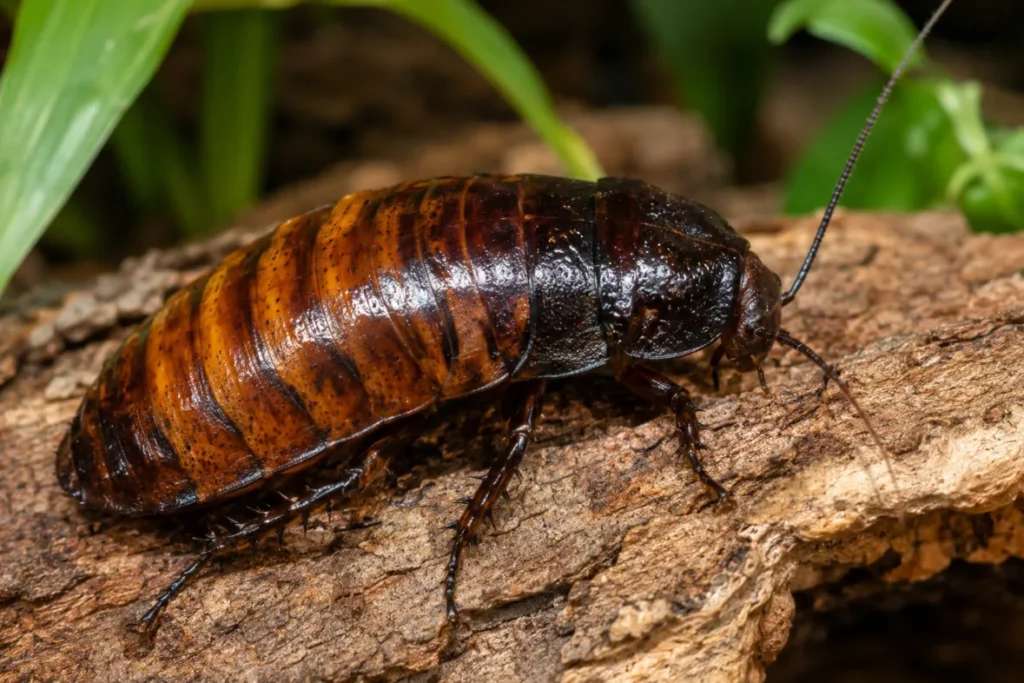
Nymphs look similar to adult cockroaches, but smaller and without fully developed wings.
3. Newly Hatched Nymphs Can Be White
Right after hatching or molting, nymphs can look white or pale. They darken within hours as their outer shell hardens.
4. Size Depends on Species and Age
Nymphs can be as small as a grain of rice when first hatched and grow larger with each molt.
5. Eggs Come in Cases
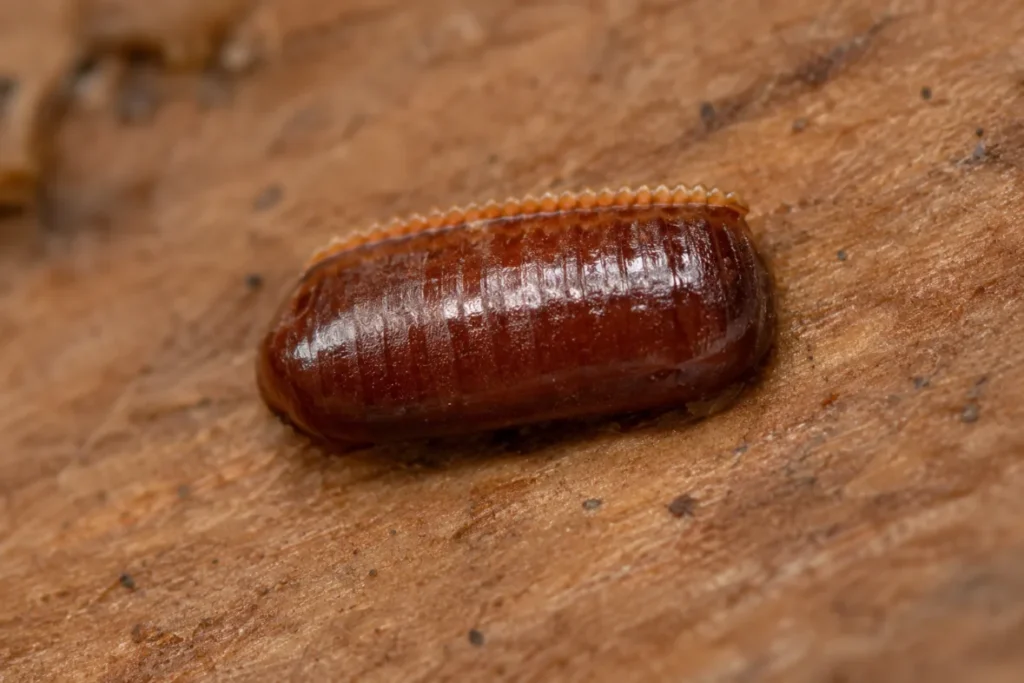
Cockroach eggs are laid in protective cases called oothecae. One case can hold many eggs, depending on the species.
6. German Cockroach Nymphs Have a Stripe
German cockroach nymphs are dark brown to black, often with a pale stripe down the middle of the back. German cockroaches are among the most common indoor species.
7. American Cockroach Nymphs Are Reddish-Brown
American cockroach nymphs start grayish-white and become reddish-brown as they grow.
8. They Molt Several Times
Nymphs shed their skin multiple times as they grow. Finding shed skins is a sign of an active population.
9. They Grow Up Fast
Depending on species and conditions, nymphs can mature into adults in weeks to months. Warm, humid homes speed this up.
10. They Eat Almost Anything
Nymphs eat crumbs, grease, pet food, paper, glue and even dead insects.
11. They Hide in Warm, Dark Places
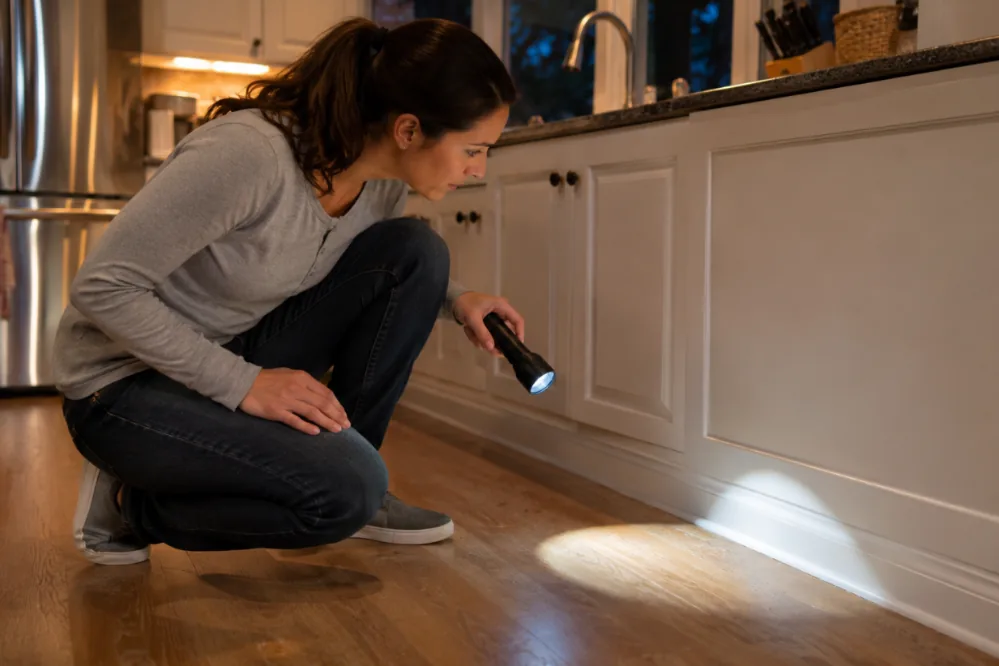
Look behind and under appliances, under sinks, inside cabinets and in cracks around pipes.
12. They Are Mostly Nocturnal
Cockroaches are most active at night. Seeing them in daylight can suggest a large population.
13. Seeing a Nymph Usually Means Breeding
Baby cockroaches mean adults are breeding nearby. One nymph rarely means one cockroach.
14. They Can Affect Health
Cockroaches can spread bacteria onto surfaces and food. Their droppings and shed skins can trigger allergies and asthma in some people.
15. They Are Not the Same as Bed Bugs
Baby cockroaches are sometimes mistaken for bed bugs, but they have longer bodies, long antennae and move much faster.
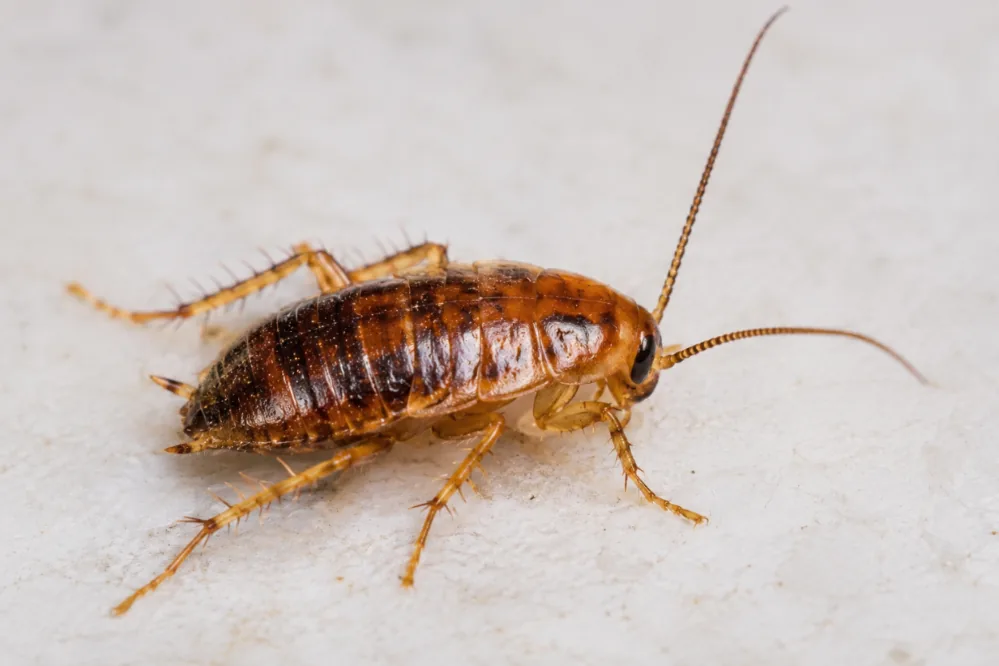
Facts About Baby Cockroaches by Species
| Species | Nymph appearance | Where found |
|---|---|---|
| German cockroach | Dark brown to black with a pale center stripe | Kitchens, bathrooms |
| American cockroach | Grayish-white to reddish-brown | Basements, drains, damp areas |
| Oriental cockroach | Dark brown to black, shiny | Cool, damp areas |
| Brown-banded cockroach | Light brown with pale bands | Warm, dry areas, furniture |
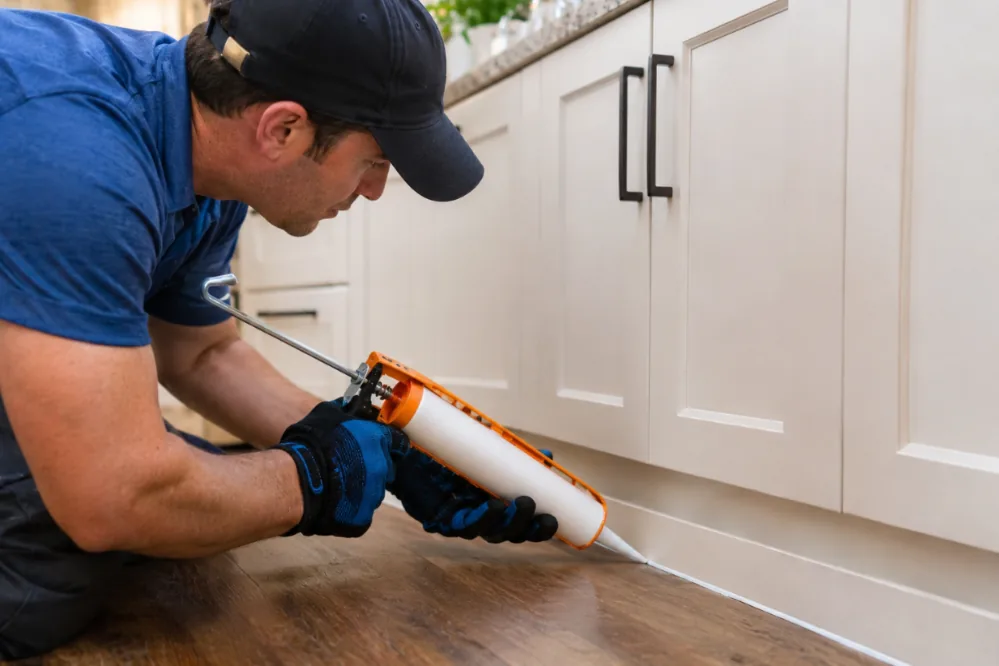
What to Do If You Find Baby Cockroaches
1. Remove Food and Water Sources
- Store food, including pet food, in sealed containers.
- Do not leave pet food bowls out overnight.
- Wipe up crumbs and spills daily.
- Fix leaky pipes and dry wet areas.
Our guide on how to store pet food explains how to keep kibble sealed and fresh.
2. Clean Hiding Spots
Vacuum behind appliances and in cabinets. Empty trash cans regularly.
3. Seal Entry Points
Caulk cracks around pipes, baseboards and cabinets.
4. Use Pet-Safe Control Methods
Many pest-control products can harm pets. If you have dogs, cats, birds, reptiles or fish:
- Read every product label carefully.
- Place baits and traps where pets cannot reach them.
- Avoid sprays near pet food, bowls, cages and tanks.
- Ask a licensed pest control professional for pet-safe options.
5. Call a Professional for Ongoing Problems
If you keep seeing nymphs, a licensed pest control company can identify the species and treat the infestation safely.
Baby Cockroaches vs Feeder Roaches
Not all cockroaches are pests. Some species, such as Dubia roaches, are bred as feeder insects for reptiles. Learn more in our guide on how to start a Dubia roach colony.
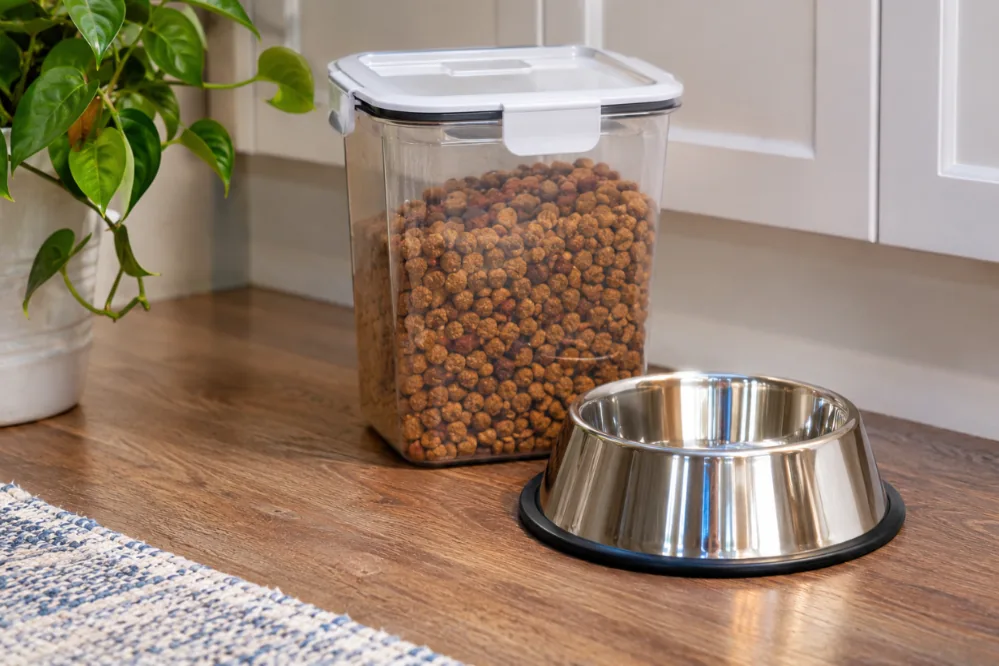
More Baby Cockroach Facts: Prevention for Pet Owners
Baby Cockroach Facts About Pet Food Bowls
Pet food is a major attraction for cockroaches. Pick up bowls after meals, rinse them and store food in sealed containers.
Reptile and Bird Rooms
Uneaten feeder insects, spilled seed and damp substrate can attract pests. Clean enclosures regularly and remove uneaten food.
Litter Boxes and Bedding
Clean litter boxes daily and wash pet bedding regularly to reduce odors and hiding places.
Outdoor Pets
Keep outdoor feeding areas clean and do not leave food out overnight.
These baby cockroach facts show that small daily habits make a big difference in keeping homes pest-free.
Helpful Resources
More guides from Pet Guide Nest:
- How to Pet a Ball Python Safely
- Piebald Ball Python Care
- Albino Ball Python Care
- Cockroach Eggs
- Do Cockroaches Bite?
Trusted outside sources:
Frequently Asked Questions
What do baby cockroaches look like?
They look like small, wingless adult cockroaches. Newly hatched nymphs can be white or pale before darkening.
Does one baby cockroach mean an infestation?
Usually it means adults are breeding nearby, so there are likely more hidden.
Are baby cockroaches dangerous?
They can spread bacteria and trigger allergies. They do not usually bite people.
How do I get rid of baby cockroaches safely with pets?
Remove food and water sources, seal cracks, use baits only where pets cannot reach them and ask a professional for pet-safe treatment.
Final Thoughts
These baby cockroach facts show why spotting a nymph matters: it usually means breeding nearby. Seal food, including pet food, fix leaks, clean hiding spots and seal cracks. Always choose pet-safe control methods, and call a professional if the problem continues. For more guides like this, explore our Cockroaches articles.

Maren Ashcroft
Maren Ashcroft writes the care guides at Pet Guide Nest. She has grown up around dogs, cats, and rabbits and loves learning about the more unusual pets too. She turns vet and animal welfare research into simple, practical advice for everyday pet owners.