
Kittens are adorable, and many cat owners wonder whether they should let their cat have a litter. But cat breeding is a serious responsibility. It involves health risks, costs, time and finding safe homes for every kitten. Many shelters already have more cats than homes.
This cat breeding guide explains what responsible breeding involves, the risks, the costs and why spaying or neutering is often the better choice for pet cats.
Should You Breed Your Cat?
Before thinking about breeding cats, ask yourself:
- Why do I want to breed? “To experience kittens” is not enough reason on its own.
- Is my cat healthy and a good example of the breed?
- Can I afford vet care, including emergencies?
- Do I have time to care for kittens for at least 12 weeks?
- Can I find responsible homes for every kitten?
- What will I do if kittens cannot be rehomed?
If you cannot answer these confidently, spaying or neutering is usually the kinder choice.
Why Spaying or Neutering Is Often the Better Choice
| Benefit | Details |
|---|---|
| Prevents unplanned litters | Cats can become pregnant very young |
| Reduces health risks | Spaying lowers the risk of uterine infections and some cancers |
| Reduces behavior problems | Less spraying, roaming and yowling |
| Helps shelters | Fewer homeless cats |
Ask your vet about the best age to spay or neuter your cat.
Cat Breeding Guide: How Responsible Breeders Work
Responsible breeders focus on health, temperament and the welfare of every cat.
1. Health Testing
Responsible breeders screen breeding cats for conditions common in the breed, such as:
- Hypertrophic cardiomyopathy (HCM), a heart condition
- Polycystic kidney disease (PKD)
- Genetic eye diseases
- Blood type compatibility, to prevent a serious condition in newborn kittens
2. Choosing Breeding Cats Carefully
They breed only healthy, mature cats with good temperaments, and avoid breeding cats with extreme features that may cause health problems.
3. Registering With a Cat Association
Pedigree breeders usually register cats with associations such as TICA or CFA and follow breed standards and ethical guidelines.
4. Limiting Litters
Responsible breeders do not breed a queen (female cat) too often and retire cats at an appropriate age.
How Often Can a Cat Have Kittens?
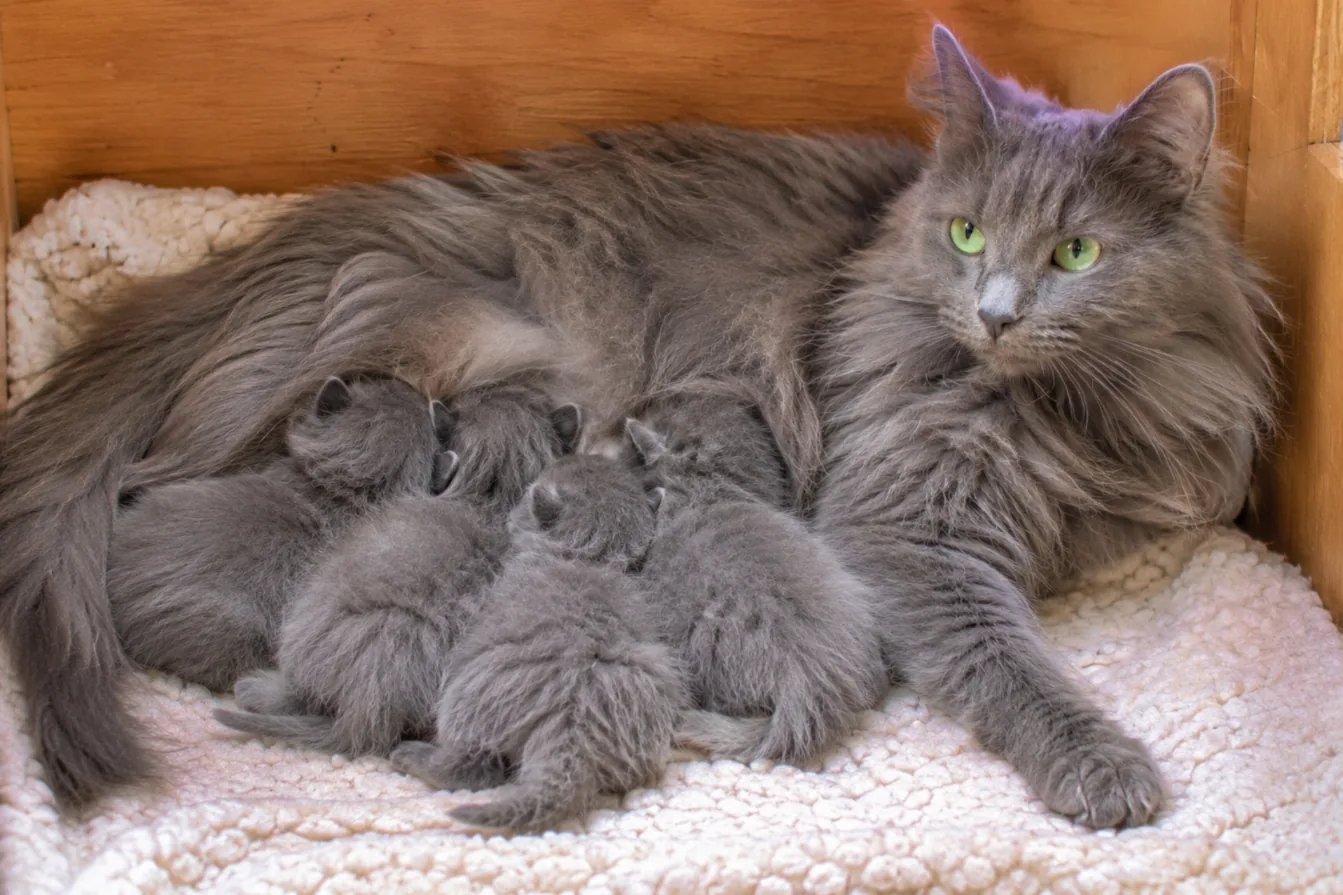
Cats can come into heat repeatedly through the breeding season and can become pregnant again soon after giving birth. Without control, an unspayed cat can have several litters a year. This is hard on her body, which is why responsible breeders space litters carefully and follow vet advice.
Pregnancy and Birth Basics
- Pregnancy length: Usually around 63 to 65 days.
- Litter size: Often around four kittens, but it varies.
- Nesting: The queen will look for a quiet, safe place shortly before birth.
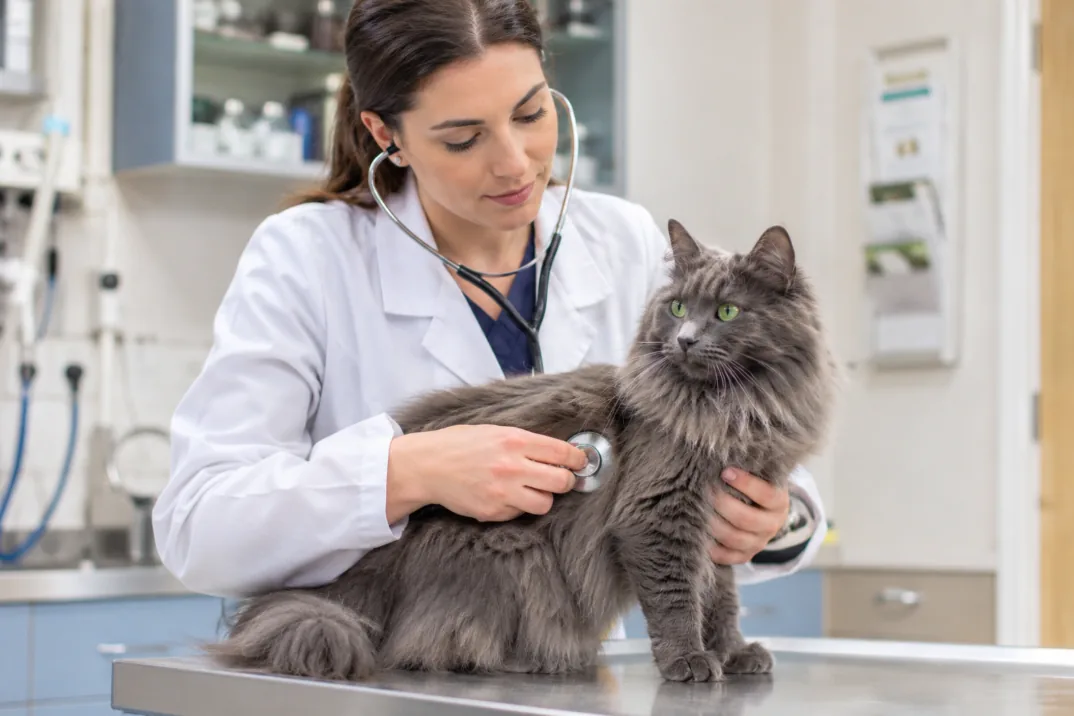
- Vet care: Regular checks during pregnancy and a plan for emergencies.
Caring for the Mother and Kittens
- Feed the mother a high-quality kitten food during pregnancy and nursing, as advised by your vet.
- Provide a warm, quiet nesting box.
- Weigh kittens regularly to check they are gaining weight.
- Keep kittens with their mother until at least 12 weeks old, which many pedigree breeders follow.
- Start gentle handling and socialization early.
- Arrange vaccinations, deworming and vet checks.
The Costs of Breeding Cats
Breeding cats responsibly can cost more than people expect:
- Health testing of breeding cats
- Stud fees for pedigree breeding
- Vet checks during pregnancy
- Emergency care, including possible C-sections
- High-quality food for the mother and kittens
- Vaccinations, deworming and microchipping
- Registration fees
- Time off work to care for kittens
For a broader look at pet costs, see our guide to pet ownership cost.
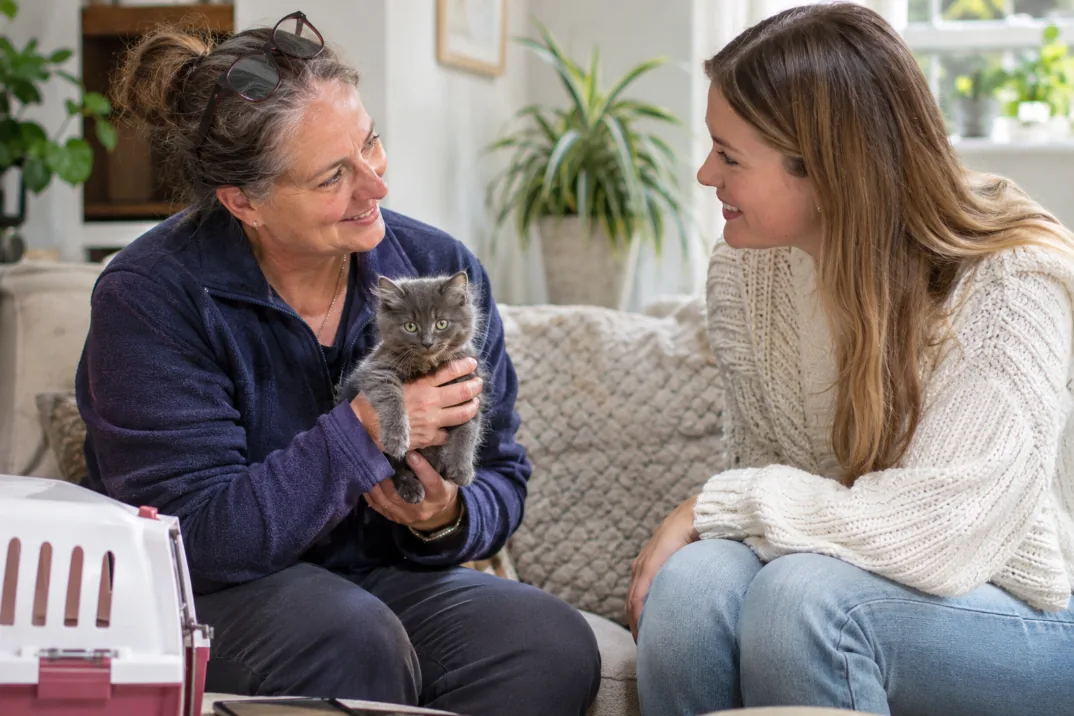
Finding Good Homes for Kittens
Responsible breeders:
- Interview potential owners
- Use written contracts
- Provide health records and care information
- Take kittens back if an owner can no longer care for them
Breeding Cats: Red Flags to Avoid
- Breeding cats that are too young or unhealthy
- Breeding for “rare” colors or extreme features alone
- Selling kittens younger than eight weeks
- Selling kittens without vaccinations or vet checks
- No health testing
Cat Breeding Myths and Facts
Myth: Cats Should Have One Litter First
There is no health benefit to letting a cat have a litter before spaying.
Myth: Kittens Are Easy to Rehome
Kitten season fills shelters every year. Finding good homes for every kitten takes time and careful screening.
Myth: Cat Breeding Makes Money
Responsible cat breeding involves health testing, vet care and time. Many ethical breeders say they barely cover costs.
Fact: Responsible Breeders Take Kittens Back
Good breeders make a lifelong commitment to the cats they produce and will take them back if needed.
Fact: Spaying and Neutering Prevent Health Problems
Spaying and neutering reduce the risk of some cancers and infections, and help prevent unwanted litters.
Note: This article is for general information only and is not a substitute for advice from a qualified veterinarian. If your pet seems unwell or you are unsure, please contact your vet.
Helpful Resources
More guides from Pet Guide Nest:
- Siamese Cat Grooming: Easy Step-by-Step Routine
- Nebelung Cat Breed: Personality, Care and Facts
- Black Scottish Fold Cats: Care, Health and Bonding Tips
Trusted outside sources:
Frequently Asked Questions
Should I let my cat have one litter before spaying?
There is no health benefit to letting a cat have a litter before spaying. Many vets recommend spaying before the first heat.
How often can a cat have kittens?
Unspayed cats can have several litters a year, which is why responsible breeders limit litters and spay retired cats.
At what age can cats get pregnant?
Cats can become pregnant very young, sometimes from around four to six months old.
What health tests do responsible cat breeders do?
Tests often include heart scans for HCM, genetic tests for conditions like PKD and blood typing, depending on the breed.
Final Thoughts
Responsible cat breeding requires health testing, careful planning, significant costs and a commitment to every kitten’s future. For most pet owners, spaying or neutering is the healthiest and kindest choice. If you want a kitten, consider adopting from a shelter or choosing a responsible, health-testing breeder. For more guides like this, explore our Cats articles.

Maren Ashcroft
Maren Ashcroft writes the care guides at Pet Guide Nest. She has grown up around dogs, cats, and rabbits and loves learning about the more unusual pets too. She turns vet and animal welfare research into simple, practical advice for everyday pet owners.