

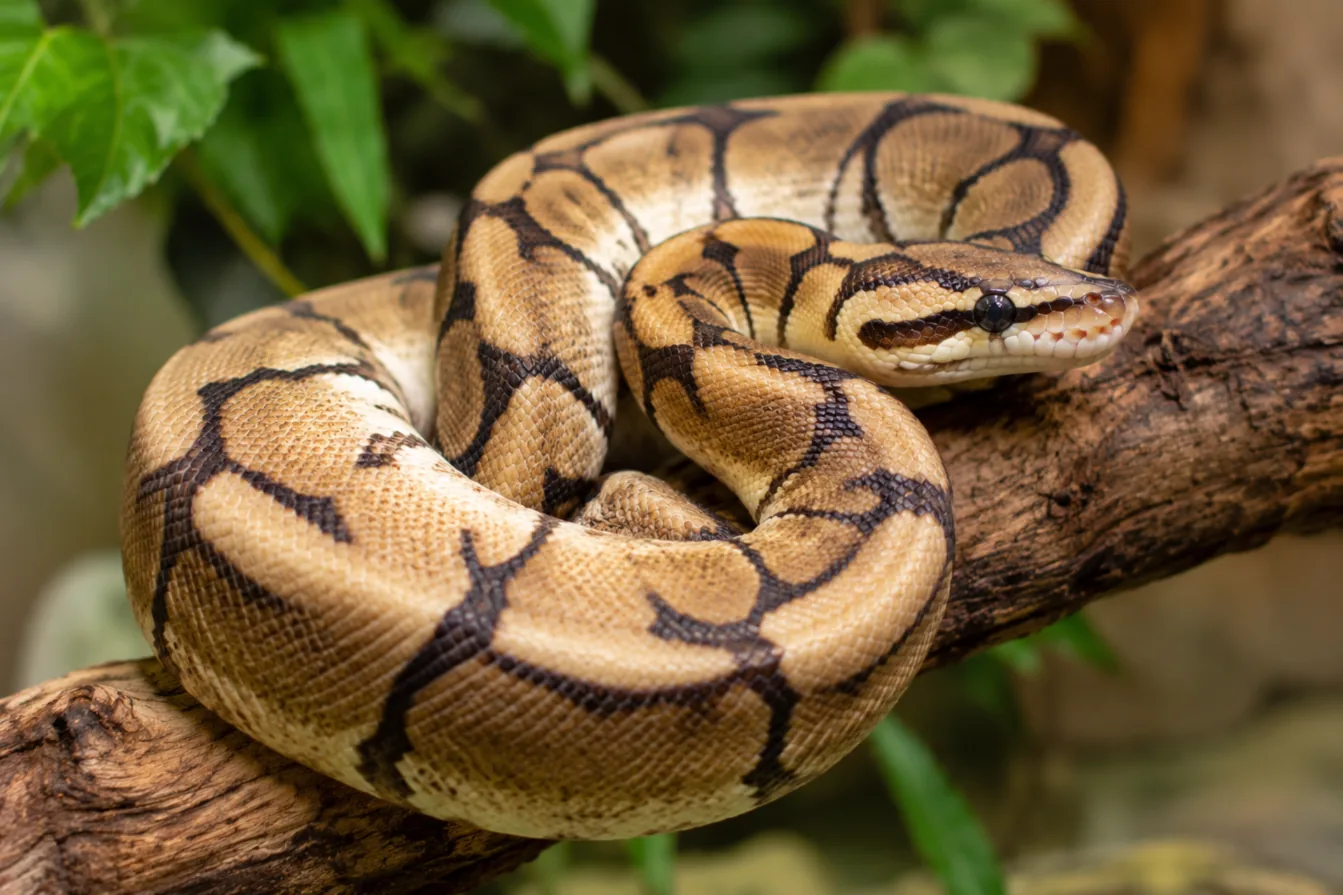
The spider ball python is one of the most recognizable ball python morphs, with a thin, web-like pattern on a light background. It was one of the early “designer” morphs that helped make ball pythons so popular. But it is also linked to a neurological condition called “wobble,” which has made it one of the most debated morphs in the reptile world.
This guide covers spider ball python facts, the wobble issue, care and the ethical questions keepers face.
What Is a Spider Ball Python?
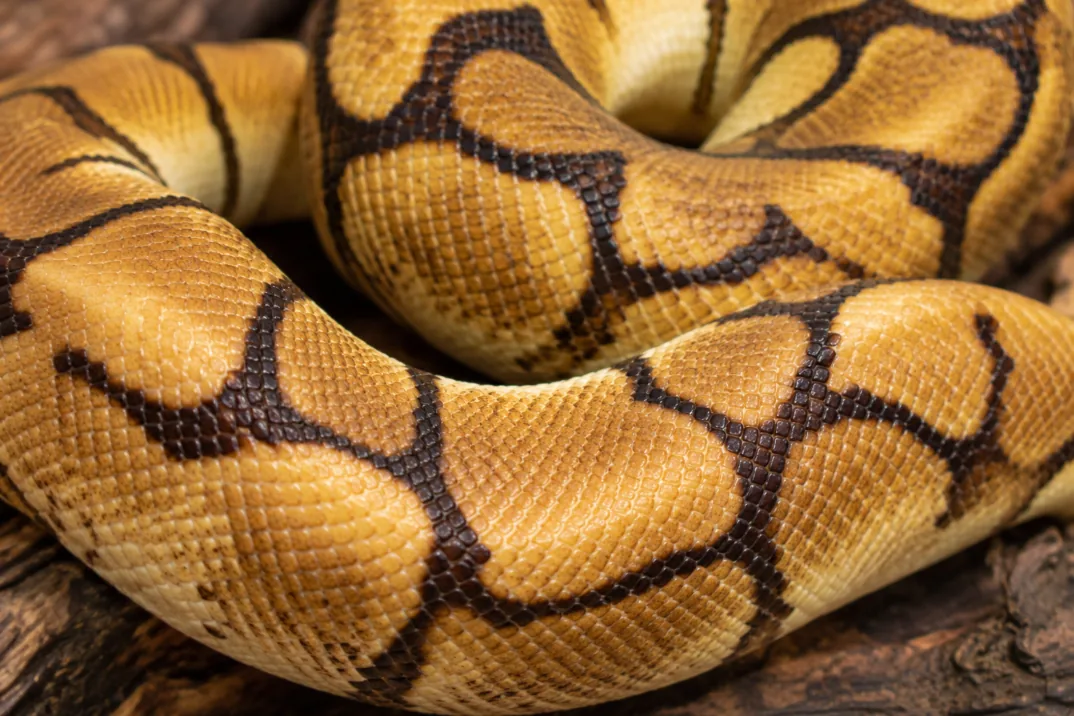
A spider ball python carries the spider gene, a dominant mutation that changes the normal pattern. Spider ball pythons typically have:
- A light tan or golden background
- Thin, dark lines forming a web-like pattern
- Reduced dark blotches on the sides
- A light belly with fewer markings
The spider gene is often combined with other genes, such as pastel or enchi, to create new looks.
Facts About Spider Ball Pythons
| Fact | Details |
|---|---|
| Gene type | Dominant (one copy shows the trait) |
| Super form | No healthy, viable “super spider” is widely recognized |
| Known issue | Neurological wobble |
| Popularity | Once very popular; now debated |
| Care needs | Same as a normal ball python |
What Is the Spider Ball Python Wobble?
The spider gene is linked to a neurological condition commonly called wobble. It is believed that all spider ball pythons carry some degree of it, although severity varies greatly.
Signs of wobble may include:
- Head tremors or shaking
- Corkscrewing (twisting the head or neck)
- Poor coordination or balance
- Difficulty striking accurately at prey
- Turning upside down
Some snakes show mild signs only when stressed or excited, such as during feeding. Others are affected more seriously.
Why the Spider Ball Python Is Controversial
Because the wobble trait comes with the gene, many keepers, breeders and veterinarians question whether it is ethical to continue breeding spiders. Concerns include:
- Animal welfare and quality of life
- Difficulty feeding severely affected snakes
- Risk of injury from poor coordination
- Passing the trait to every snake that inherits the gene
Some breeders have stopped producing spiders, and some reptile events and sellers have introduced rules about selling them. Other keepers argue that many spiders live normal lives with mild symptoms. The debate is ongoing.
Spider Ball Python Information: Care Basics
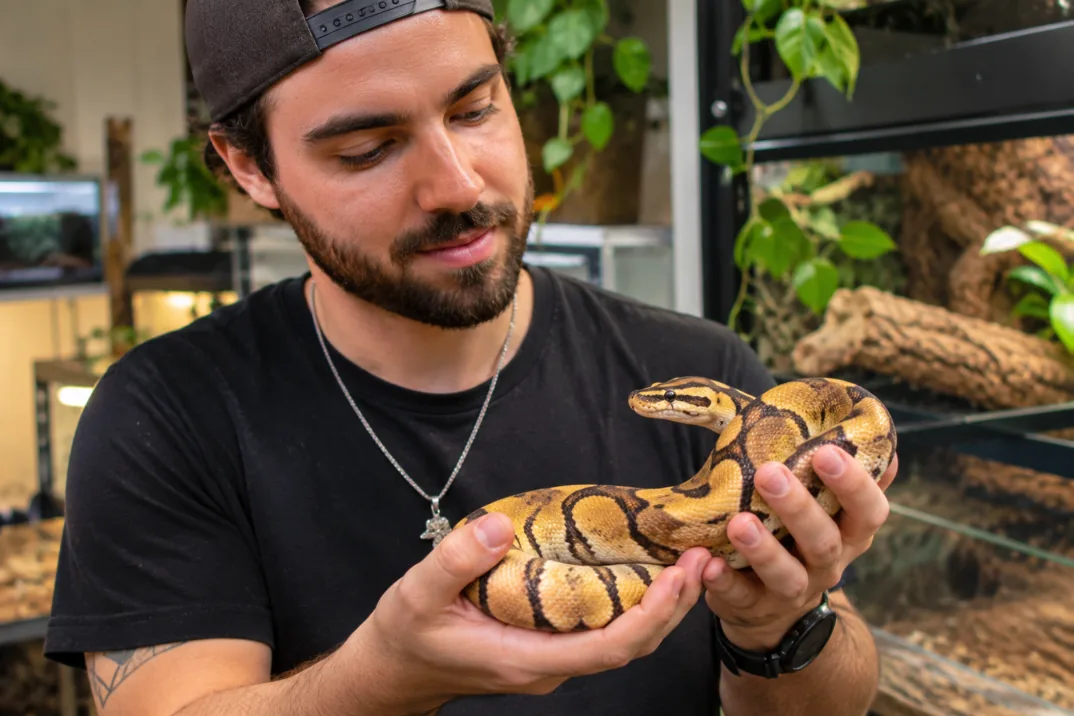
If you already have a spider ball python, care is similar to any ball python, with a few extra safety steps.
Enclosure
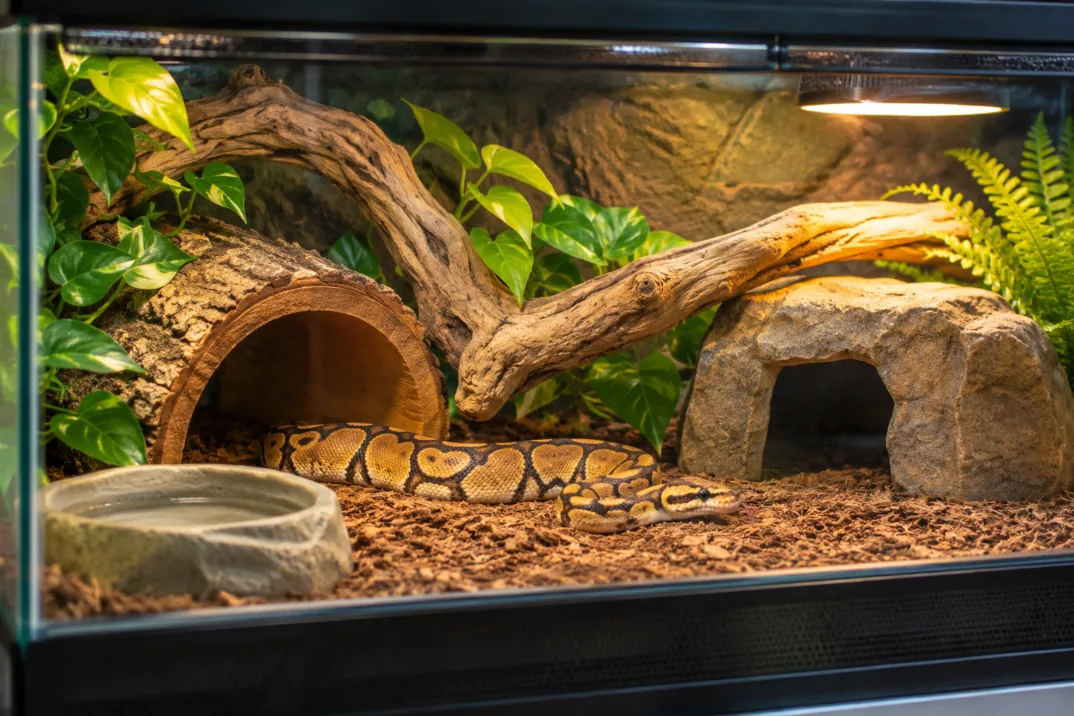
- Secure enclosure with a locking lid
- Low decor and climbing branches to reduce fall risk
- Snug hides on both warm and cool sides
- Shallow, heavy water bowl to avoid tipping or drowning risk
Heat and Humidity
- Thermostat-controlled heat source
- Thermometers on warm and cool sides
- Proper humidity with a humid hide
Feeding a Spider With Wobble
- Offer frozen-thawed prey with long tongs.
- Be patient; affected snakes may miss strikes.
- Feed in a calm environment to reduce stress.
- Never leave live prey with a snake, especially one with coordination problems.
Handling
- Handle gently and close to the ground.
- Support the body fully.
- Watch for stress, which can make wobble worse.
Choosing a Ball Python Morph Without Wobble
If you are buying your first snake, many morphs are not linked to wobble. Popular choices include:
- Pastel ball python
- Albino (see our albino ball python care guide)
- Piebald ball python
- Enchi, mojave and clown
Ask breeders about the genetics of any snake you consider, and check whether it carries genes linked to neurological issues. Our ball python morphs overview explains more.
Spider Ball Python Facts: Lifespan
Ball pythons can live 20 to 30 years with good care. Spider ball pythons with mild wobble may live normal lifespans, though severity varies between individual snakes.
Caring for a Snake With Neurological Signs
Make the Enclosure Safer
Use low branches and hides, secure all decor and avoid tall climbing structures. This reduces the risk of falls.
Reduce Stress
Stress can make neurological signs more noticeable. Keep the enclosure in a quiet room, avoid frequent rearranging and handle calmly.
Monitor Feeding
Keep a feeding log so you can see whether your snake is eating regularly. Contact a reptile vet if it misses several meals or loses weight.
Work With a Reptile Vet
A reptile vet can assess your snake’s coordination, weight and overall health, and suggest adjustments to its care.
Helpful Resources
More guides from Pet Guide Nest:
- How to Pet a Ball Python Safely: Handling Tips for Beginners
- Albino Monkeys: Appearance, Causes and Facts
- Funniest Dog Memes of 2026 That Every Dog Owner Will Get
Trusted outside sources:
Frequently Asked Questions
Do all spider ball pythons have wobble?
It is widely believed that all spiders carry the wobble trait, but severity ranges from very mild to severe.
Can a spider ball python live a normal life?
Many mildly affected spiders live fairly normal lives with good care, but severely affected snakes may struggle with feeding and movement.
Why do some breeders stop breeding spider ball pythons?
Because of welfare concerns about the neurological wobble linked to the gene.
Is spider ball python care different from other morphs?
Basic care is the same, but snakes with wobble may need low decor, careful feeding and extra-gentle handling.
Final Thoughts
The spider ball python is a beautiful morph with a complicated story. Its web-like pattern made it famous, but its link to neurological wobble has raised serious welfare questions. If you keep a spider, adapt its enclosure and feeding to keep it safe. If you are choosing a first snake, consider a morph without known neurological issues. For more guides like this, explore our Snakes articles.

Maren Ashcroft
Maren Ashcroft writes the care guides at Pet Guide Nest. She has grown up around dogs, cats, and rabbits and loves learning about the more unusual pets too. She turns vet and animal welfare research into simple, practical advice for everyday pet owners.


