


Border collies are often called the smartest dog breed. They are fast learners, tireless workers and deeply loyal. But that intelligence comes with big needs. This border collie guide covers what to know before you bring one home, so you can decide whether this brilliant breed fits your life.
What Is a Border Collie?
Border collies come from the border region between England and Scotland, where they were bred to herd sheep. They are medium-sized, agile dogs with a famous “eye,” an intense stare they use to move livestock.
Coats can be rough (medium-length) or smooth (short), and come in many colors, including black and white, red, blue, merle and tricolor. Many border collies live 12 to 15 years.
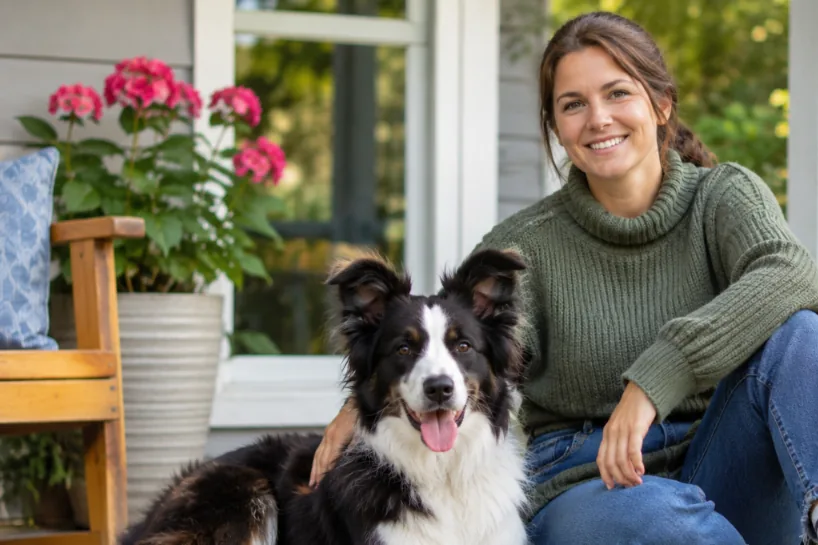
Border Collie Temperament
- Extremely intelligent: They pick up new commands quickly and love problem-solving.
- High energy: Bred to work all day, they need far more than a quick walk.
- Sensitive: They respond strongly to tone and may be upset by harsh handling.
- Loyal: Most bond closely with one person or family.
- Herding instinct: They may try to herd children, pets, cars or bikes.
Things to Know Before Getting a Border Collie
1. They Need a Job
A bored border collie often invents its own job, such as herding the kids, chasing shadows or chewing furniture. Plan daily mental work: training, puzzles, scent games or dog sports.
2. Exercise Is Non-Negotiable
Most adult border collies need at least one to two hours of activity a day. This includes walks, running (once fully grown), fetch and training sessions.
3. Training Starts on Day One
Border collies learn bad habits as fast as good ones. Start reward-based training and socialization as soon as your puppy comes home.
4. They Can Be Sound-Sensitive
Some border collies are sensitive to loud noises, such as fireworks or thunder. Early, gentle exposure and a safe retreat space help.
5. They Shed
Both coat types shed, with heavier shedding seasonally. Brush at least weekly, and more during shedding periods.
Border Collie Ownership: Daily Routine Example
| Time | Activity |
|---|---|
| Morning | 45–60 minute walk or run, plus a short training session |
| Midday | Puzzle feeder or scent game |
| Afternoon | Play session: fetch, frisbee or tug |
| Evening | Walk and calm settle time; practice relaxing on a mat |
Teaching your border collie to relax is as important as tiring them out. Many high-drive dogs need help learning an “off switch.”

Training Tips for Border Collies
- Use rewards: food, toys and praise.
- Keep sessions short and varied to avoid boredom.
- Teach impulse control: “wait,” “leave it,” “settle.”
- Redirect herding behavior into games such as treibball (herding large balls).
- Try dog sports: agility, obedience, flyball, herding or trick training.
Border Collie Health
Border collies are generally sturdy, and are often included in lists of the healthiest dog breeds. Still, ask breeders about testing for:
- Hip dysplasia
- Collie eye anomaly and other inherited eye diseases
- Epilepsy
- Several DNA-testable conditions, such as trapped neutrophil syndrome and ceroid lipofuscinosis
Keep your dog lean and fit, and maintain regular vet checks.
Is a Border Collie Right for You?
A border collie may suit you if you:
- Live an active, outdoor lifestyle
- Enjoy training and want to try dog sports
- Have time for daily mental and physical exercise
- Have a secure yard or safe spaces to run
It may not suit you if you:
- Work long hours away from home
- Want a calm, low-energy companion
- Live in a small apartment with little outdoor access
If you love herding breeds but want to compare options, read our guide to Australian shepherd pros and cons.
Getting a Border Collie: Breeder or Rescue?
Breeders: Choose breeders who health-test parents and can tell you about each puppy’s energy level. Working-line dogs often have even higher drive than show lines.
Rescues: Many border collies end up in rescue because owners underestimated their needs. Adult rescues often come with a known personality, which can be a big advantage.

Border Collie Guide to Puppyhood
The First Few Months
A border collie puppy is curious, fast and quick to learn. Start house training, crate training and name recognition on the first day. Keep training sessions to a few minutes and end on a success.
Socialization Checklist
- Meet calm adults, children and well-mannered dogs
- Hear everyday sounds: traffic, vacuum cleaners, doorbells
- Walk on different surfaces: grass, gravel, tiles
- Experience car rides and short vet visits for treats only
Protecting Growing Joints
Avoid forced running, repetitive jumping and long frisbee sessions until your vet confirms that growth plates have closed. Free play on soft ground and short walks are best for young puppies.
Teaching Calm: A Border Collie Guide Essential
This part of any border collie guide is often overlooked. Reward your puppy for lying quietly on a mat. Learning to switch off is as important as learning tricks for this busy breed.
Helpful Resources
More guides from Pet Guide Nest:
Trusted outside sources:
Frequently Asked Questions
Are border collies good for first-time owners?
They can be for active, committed first-time owners who are excited about training. Many beginners find a less intense breed easier.
How much exercise does a border collie need?
Most adults need one to two hours of physical and mental exercise every day.
Do border collies bark a lot?
Some do, especially when bored or excited. Enough exercise and training usually reduces barking.
Can border collies live in apartments?
It is possible with a very active owner, but most border collies are happier with more space and outdoor time.
Final Thoughts
This border collie guide comes down to one point: these dogs need a job. With daily exercise, mental challenges, kind training and a family that enjoys being active, a border collie becomes an incredible companion. If that sounds like your lifestyle, you may have found your perfect dog. For more guides like this, explore our Dogs articles.

Maren Ashcroft
Maren Ashcroft writes the care guides at Pet Guide Nest. She has grown up around dogs, cats, and rabbits and loves learning about the more unusual pets too. She turns vet and animal welfare research into simple, practical advice for everyday pet owners.