Some of the most powerful lessons about pets come from a single animal. This dog adoption story is about Nikki, a German Shepherd that many people walked past at the shelter, and about how she changed the life of the person who finally took her home.
The story was first shared by Ryan Howard, a tech entrepreneur, as a guest post on our earlier site. Below we retell it in our own words, then share what it teaches anyone thinking about adopting a dog that looks like “too much work.”
Meeting Nikki: A Dog Others Passed By
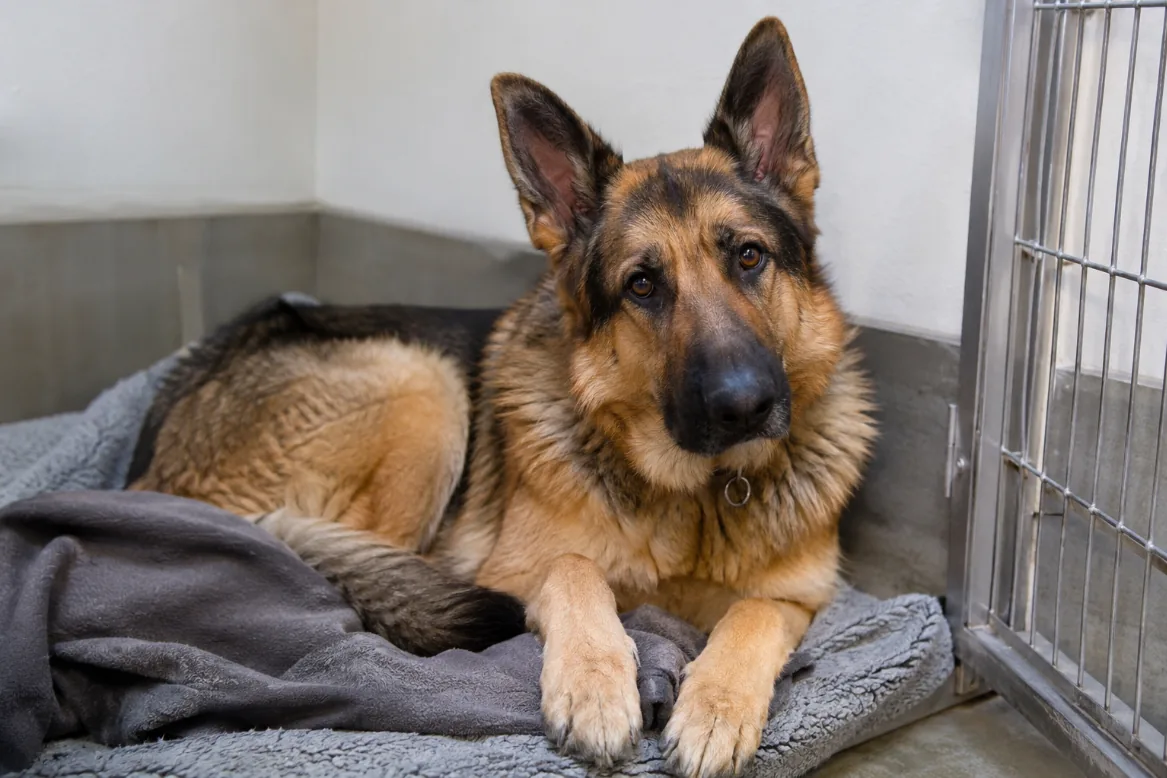
Nikki was a large German Shepherd with a limp. When Ryan first saw her, she was tucked into the back corner of her kennel, avoiding eye contact with visitors. Shelter staff explained that she had hip dysplasia, and that she had already been adopted once and returned.
When he knelt by the kennel, Nikki slowly lifted her head, looked at him and pressed her head against the bars. According to Ryan, that moment was enough. He signed the adoption papers.
The First Weeks of a Rescue Dog Adoption
The start was not easy. Nikki paced the house and cried at night when Ryan was out of sight. To help her feel safe, he slept on the floor next to her bed until she settled.
What helped most was routine:
- Meals at the same time every day
- Slow evening walks that her hips could handle
- A blanket that belonged only to her
These small, predictable habits are a common theme in many rescue dog adoption stories. A new dog does not know the rules of your home yet, and consistency helps it relax. Our guide on introducing a new dog to your home has more first-week tips.
Finding Joy in the Water
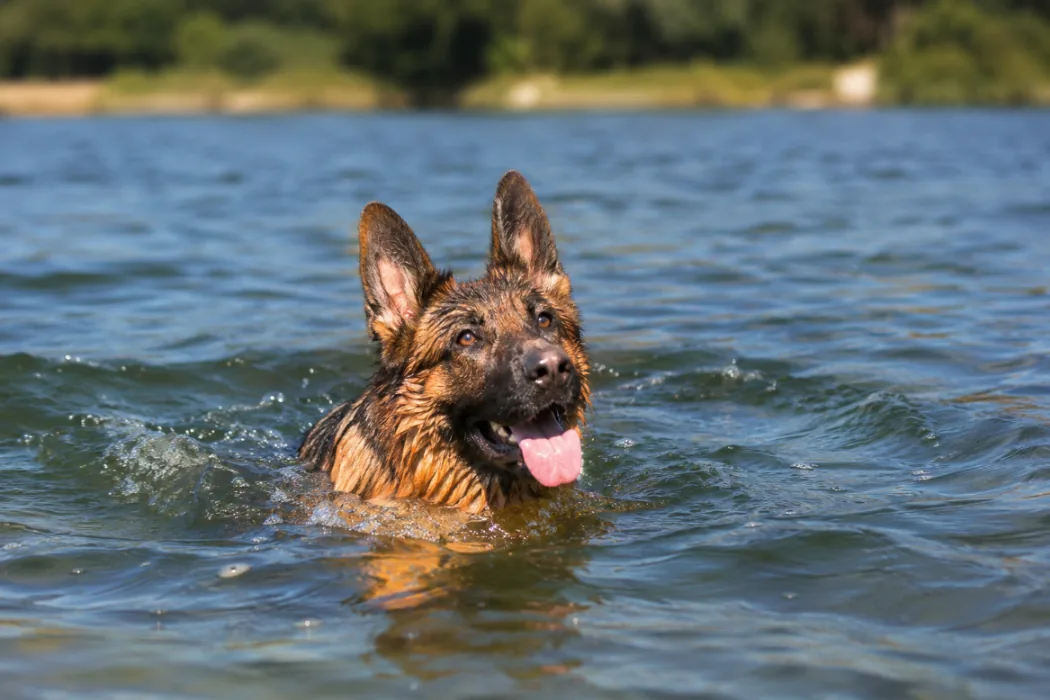
Running was never going to be possible for Nikki, but swimming was. The first time Ryan coaxed her into a lake, she paddled happily and her limp seemed to disappear in the water. Swimming became their shared activity whenever they found a safe place to go in.
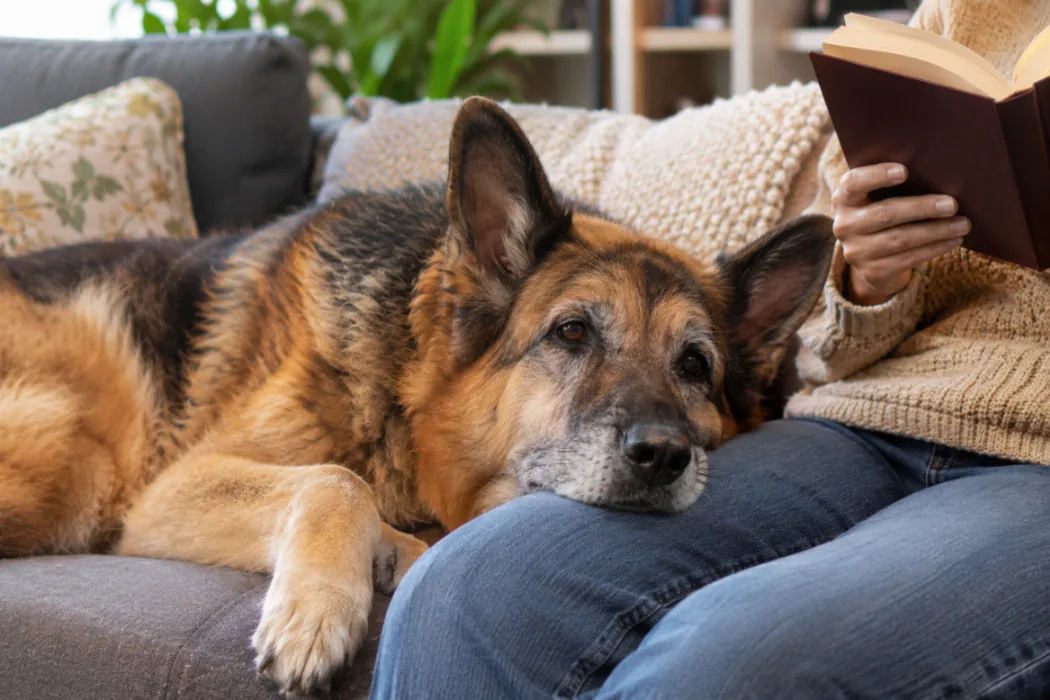
Nikki also reminded him to enjoy simple things: a patch of sun on the floor, a cool breeze, or resting her head on his lap while he read. In his words, she slowed him down and taught him to notice.
Low-Impact Activities for Dogs With Joint Problems
Many dogs with hip or joint issues still need daily exercise. Ask your vet which activities are safe, but common gentle options include:
- Swimming or supervised water play
- Short, slow walks on soft ground
- Sniffing games and food puzzles
- Gentle trails with plenty of rest stops
Road Trips and Gentle Adventures
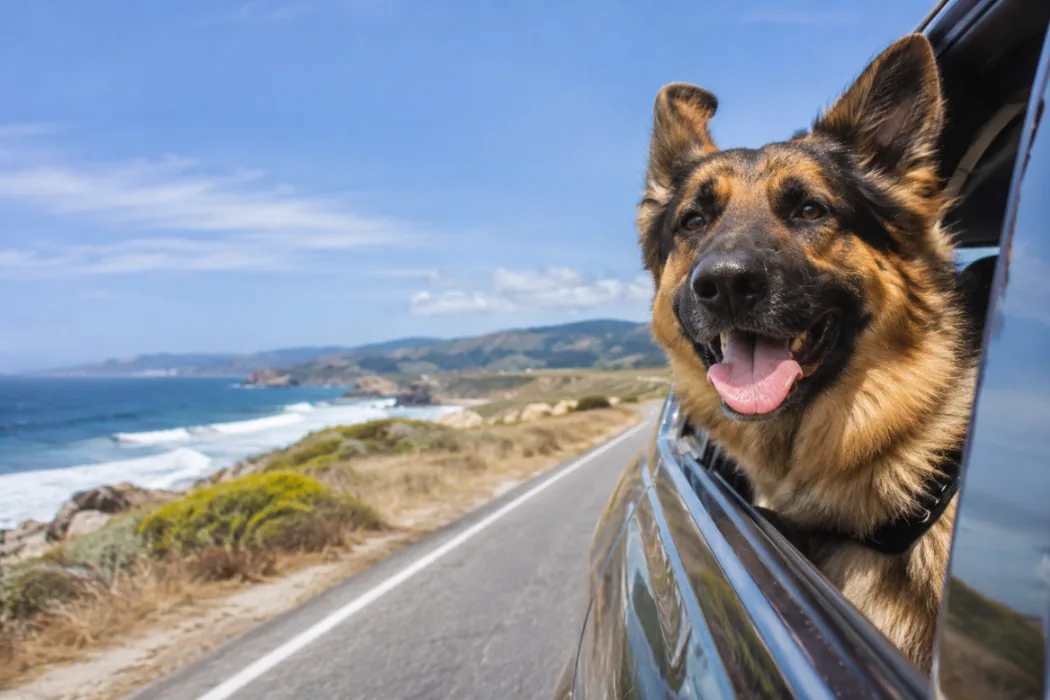
Nikki did not climb mountains, but she still traveled. Ryan planned coastal road trips and quiet weekends in the woods around her needs, choosing easy trails and frequent breaks. One of his clearest memories is Nikki in the car with her nose out of the window and her ears flapping in the wind.
How Nikki Inspired a New Adoption Platform
Caring for Nikki took patience and adjustments, and it made Ryan think about all the dogs like her: older dogs, nervous dogs and dogs with medical needs that are often overlooked or returned. Often, he believed, the problem was not that people did not care, but that they did not have enough support.
Ryan had spent his career building technology companies, including the health records company Practice Fusion. Inspired by Nikki, he founded Buddy, a platform designed to help match people with the right dog and to guide them after adoption, so more pets and families can stay together.
Saying Goodbye to Nikki
Nikki has since passed away. Ryan has written that the house felt quieter without her, but that she left him with patience, gratitude and a sense of purpose. He believed that while he thought he was rescuing her, she was really rescuing him.
If you share your home with an older dog, our guide to aging dog care explains how to keep a senior dog comfortable and happy.
Lessons From Nikki for Anyone Thinking About Adoption
Nikki’s story carries useful advice for future adopters:
- Look beyond the “perfect” profile. Older dogs and dogs with medical conditions can make wonderful companions.
- Ask the shelter about history. Learn why a dog was returned and what support it needs.
- Plan for medical care. Conditions like hip dysplasia may need vet visits, weight control and pain management.
- Give the dog time. Many rescue dogs need weeks, not days, to feel at home.
- Build a routine. Regular meals, walks and a safe space help a nervous dog settle.
- Get support. Trainers, vets and the shelter itself can help if problems come up.
If you have just adopted a girl, our list of pet names for girls may help you choose a name, and our guide to dogs with Down syndrome explains the conditions that can make some dogs look or act differently.
Note: This article retells a personal story first published by its author on our earlier site. Health details are general information and not a substitute for advice from your veterinarian.
Helpful Resources
More guides from Pet Guide Nest:
Trusted outside sources:
Frequently Asked Questions
Who was Nikki in this dog adoption story?
Nikki was a German Shepherd with hip dysplasia who had been returned to a shelter once before. Tech entrepreneur Ryan Howard adopted her, and she inspired him to start the pet adoption platform Buddy.
Is it a good idea to adopt a dog with hip dysplasia?
It can be. Many dogs with hip dysplasia live happy lives with weight control, gentle exercise and pain management. Ask the shelter and a vet about the dog’s needs and likely costs before you adopt.
How long does it take a rescue dog to settle in?
Every dog is different. Many rescue dogs need several weeks, and some need a few months, to feel fully at home. A calm routine and patience help a lot.
Why are some adopted dogs returned to shelters?
Common reasons include behavior challenges, medical needs, costs and changes in the owner’s life. Learning about a dog’s history and getting support from the shelter, a trainer or a vet can help an adoption last.
Final Thoughts
Nikki was not the easiest dog to adopt, but her story shows how much a so-called difficult dog can give back. If you are ready to adopt, consider visiting the dogs at the back of the kennel too. The right companion may be the one everyone else walked past.

Maren Ashcroft
Maren Ashcroft writes the care guides at Pet Guide Nest. She has grown up around dogs, cats, and rabbits and loves learning about the more unusual pets too. She turns vet and animal welfare research into simple, practical advice for everyday pet owners.